
Flowers
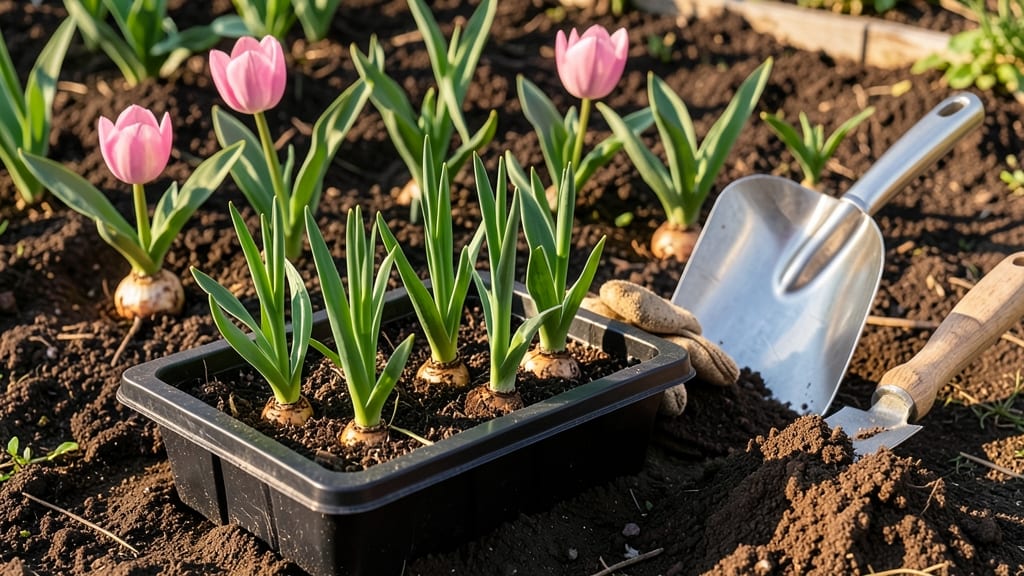
Planting flowers in spring after the last frost is the key to a garden that bursts into color 🌸—but timing it wrong can leave you staring at bare soil for weeks.
Timing your spring flower planting can mean the difference between a vibrant garden and a season of disappointment—get it wrong, and you might miss peak blooms entirely.
Most gardeners in Zone 6a wait until mid-April to early May, but the exact date depends on your local frost-free window and the type of flowers you’re planting.
Annuals like petunias and zinnias thrive when soil warms to 50°F (10°C), while perennials and bulbs often need a head start indoors.
Here’s what you need to know: climate-specific deadlines, how to adjust for late frosts, and the best flowers to plant for continuous blooms all season long.
Spring flower planting deadlines by US hardiness zones
Getting your spring flower planting timed right ensures vibrant blooms all season. The USDA hardiness zones act as your garden's GPS—each zone has specific last frost dates that dictate when to plant.
Miss these windows, and you risk frost damage or stunted growth. Let's break down the perfect planting schedule for annuals, perennials, and bulbs across Zones 3 through 10.
First, find your local last frost date—this is your planting deadline's anchor. Most garden centers provide this info, or use the USDA Plant Hardiness Zone Map to estimate. For example, Zone 3 gardeners (think Minnesota or Maine) have shorter growing seasons than Zone 10 (Southern California or Florida).
Even within zones, regional microclimates matter—coastal areas may be warmer than inland spots.
| USDA Zone | Last Frost Date | Annuals Planting Window | Perennials Planting Window | Bulbs Planting Window |
|---|---|---|---|---|
| Zone 3 | Mid-May | After May 15 | Early May (hardy perennials) | Fall (Sept-Oct) or early spring |
| Zone 4 | Early May | After May 1 | Late April | Fall (Sept-Oct) or early spring |
| Zone 5 | Mid-April | After April 15 | Early April | Fall (Sept-Oct) or early spring |
| Zone 6 | Early April | After April 1 | Late March | Fall (Oct) or early spring |
| Zone 7 | Mid-March | After March 15 | Early March | Fall (Oct-Nov) or early spring |
| Zone 8 | Late February | After February 28 | Late February | Fall (Nov) or early spring |
| Zone 9 | Mid-January | After January 15 | Early January | Fall (Nov-Dec) or early spring |
| Zone 10 | None (year-round) | Year-round (staggered) | Year-round | Fall (Oct-Nov) or spring |
For annual flowers, wait until after your last frost date to plant.
In colder zones (3-5), this might mean waiting until late May, while warmer zones (7-10) can plant as early as February or March. Heat-loving annuals like marigolds or zinnias thrive when soil temperatures reach 60°F (15°C), so use a soil thermometer if unsure.
Perennials are more forgiving—plant them 2-4 weeks before your last frost date in well-draining soil.
In Zone 5, that means early April; in Zone 9, you could start as early as January. Bulbs like tulips or daffodils often prefer fall planting, but spring planting works too—just aim for 4-6 weeks before your last frost date for best results.
Regional variations matter—Pacific Northwest gardeners in Zone 8 might experience late spring frosts into May, while Deep South gardeners in Zone 10 can plant year-round. Check local microclimates—valleys often frost earlier than hilltops, and urban areas may stay warmer.
Use frost-protective fabrics or row covers if planting early in transitional zones.
Don't forget to harden off seedlings if starting indoors. Acclimate them to outdoor conditions over 7-10 days before planting. For container gardening, follow the same zone guidelines but plant 1-2 weeks later—containers heat up faster and can bake roots.
Pro tip: Mark your calendar with
Best spring flowers to plant for continuous blooms
Spring is the perfect time to plant flowers that will keep your garden vibrant from early summer through fall. Annuals like petunias and zinnias offer instant color, while perennials like coneflowers and black-eyed Susans return year after year.
The key is choosing varieties that thrive in your climate and bloom continuously with proper care. I’ve selected the top performers that deliver nonstop blooms with minimal fuss.
For long-lasting color, focus on flowers with staggered bloom times. Some varieties start early while others take over as the season progresses. This strategy ensures your garden never looks bare.
I’ll cover both annuals (plant once, bloom all season) and perennials (come back stronger every year). Let’s dive into the best choices for your spring planting.
| Flower Type | Planting Window | Bloom Duration | Sun Needs | Care Level |
|---|---|---|---|---|
| Petunias (Annual) | After last frost (April-May) | Summer to frost | Full sun (6+ hours) | Easy |
| Zinnias (Annual) | April-June (direct sow) | June-October | Full sun to part shade | Moderate |
| Coneflowers (Perennial) | Early spring (March-April) | July-October | Full sun | Low |
| Black-Eyed Susans (Perennial) | March-April | Summer to fall | Full sun | Low |
| Marigolds (Annual) | April-May | June-October | Full sun | Easy |
| Lavender (Perennial) | March-April | Summer | Full sun | Low |
| Salvia (Perennial) | Early spring | May-September | Full sun | Moderate |
Petunias are my go-to for instant color—they bloom profusely from early summer until frost. Plant them after your last frost date in well-draining soil, and they’ll reward you with nonstop blooms all season.
For a wildflower look, zinnias are unbeatable. They thrive in full sun and come in every color imaginable. Direct sow them in late spring for the best results.
If you want low-maintenance perennials, coneflowers and black-eyed Susans are winners. Plant them in early spring, and they’ll establish roots before summer heat arrives. These drought-tolerant beauties bloom from mid-summer through fall, attracting pollinators like bees and butterflies.
For a fragrant addition, lavender adds texture and scent while requiring minimal care once established.
Marigolds are another easy annual that repels pests naturally. Their bright colors and pest-deterring properties make them a must-have for any garden. Plant them in April or May, and they’ll keep blooming until the first frost.
For a longer bloom season, consider salvia—its tall spikes add vertical interest and attract hummingbirds. Plant it in early spring for summer-long color.
To maximize blooms, deadhead spent flowers regularly. This simple task encourages continuous flowering by redirecting energy to new buds. Water deeply in the morning to keep roots hydrated, and mulch around plants to retain moisture.
With these low-stress flowers, you’ll enjoy a garden that stays vibrant all season long. 🌸