
Plants
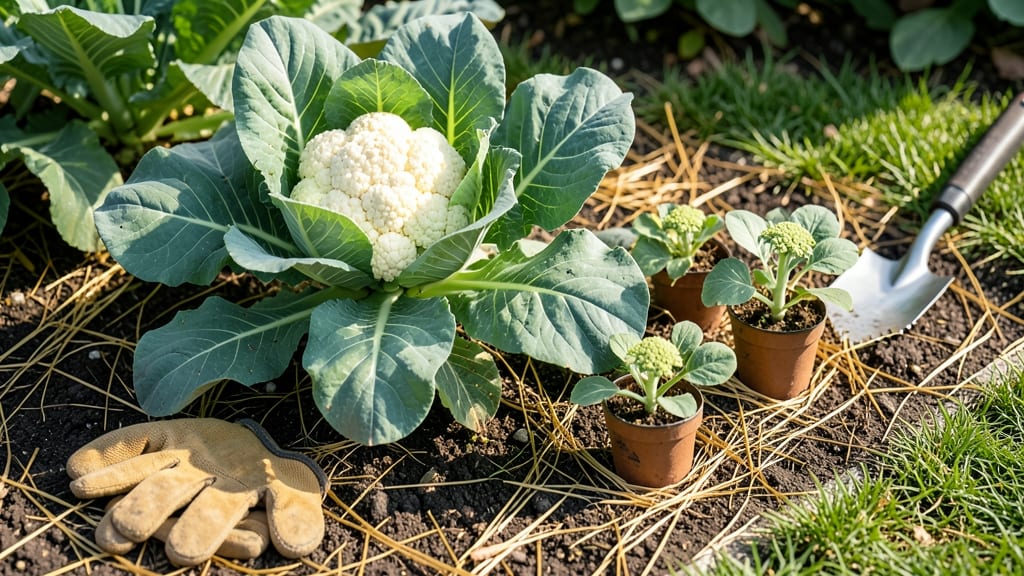
Planting cauliflower in Texas requires precise timing to dodge both frost and scorching heat—fall and early spring are the only windows where the 🥬 thrives without bolting.
Texas gardeners know timing is everything—plant cauliflower too early, and frost will ruin your crop; too late, and the brutal summer heat will send it bolting before harvest.
North Texas has a shorter growing season, while South Texas can stretch harvests into winter with the right variety. The key? Start seeds indoors 4-6 weeks before your target window, then transplant when soil temps hit 45°F.
Below, I break down the exact months for each region, how to adjust for heat, and the 3 heat-resistant varieties that actually work in Texas summers—no guesswork, just proven results.
Best planting months for cauliflower in Texas by region (avoid bolting & frost)
Texas gardeners face a unique challenge with cauliflower—its delicate nature makes it extremely sensitive to both frost and heat. In North Texas, late winter frost can destroy young plants, while South Texas's merciless summer heat (often exceeding 95°F) triggers bolting.
The key is planting during cooler transitional periods when soil temperatures stay below 85°F and nights remain mild.
Cauliflower thrives in Texas when planted during two critical windows: early spring (February-March) and late summer (August-September). These periods align with optimal soil temps (50-75°F) and avoid extreme weather.
However, regional microclimates create 10-14 day variations in ideal planting dates across the state. Let’s break down the best months for each Texas region to maximize your harvest.
| Region | Best Planting Months | Avoid Planting After | Key Considerations | Harvest Window |
|---|---|---|---|---|
| North Texas (Dallas/Fort Worth) | Feb 15 - Mar 15 Aug 15 - Sep 15 |
April 15 October 1 |
First frost: Dec 1 Last frost: Feb 15 Soil temp <85°F |
May - June Nov - Dec |
| Central Texas (Austin/San Antonio) | Feb 1 - Mar 10 Aug 1 - Sep 10 |
April 10 October 15 |
First frost: Dec 15 Last frost: Feb 10 Heat tolerance: <75°F |
April - May Oct - Nov |
| South Texas (Houston/Corpus Christi) | Jan 15 - Feb 28 Aug 1 - Sep 5 |
March 15 September 15 |
First frost: Jan 1 Last frost: Jan 31 Humidity control critical |
March - April Sep - Oct |
| High Plains (Lubbock/Amarillo) | Mar 1 - Apr 1 Jul 15 - Aug 15 |
May 1 August 31 |
First frost: Nov 15 Last frost: Mar 15 Dry climate |
June - July Sep - Oct |
In North Texas, where winters can drop below freezing, February 15-March 15 is ideal for spring planting. The soil warms enough for germination (60°F minimum), but nights remain cool enough to prevent bolting.
For fall harvests, August 15-September 15 works best—planting after this window risks October heat waves that push temps above 90°F, triggering premature flowering.
Central Texas gardeners have slightly more flexibility due to milder winters. Plant in February 1-March 10 for spring crops, aiming to harvest by May before summer heat arrives.
The August 1-September 10 window for fall planting aligns with cooling trends, but watch for September humidity spikes that can promote disease. Use row covers if nights dip below 50°F.
South Texas presents unique challenges with its humid subtropical climate. The January 15-February 28 window captures the coolest months, while August 1-September 5 targets the transition to fall.
Here, shade cloth (30-50%) is essential during summer to protect seedlings from intense afternoon sun. Avoid planting after September 15—temperatures often stay above 85°F through October.
The High Plains region benefits from drier air and cooler nights, extending the growing season. Plant March 1-April 1 for spring harvests, leveraging the longer daylight hours of April.
For fall, July 15-August 15 works because September temperatures drop rapidly. However, wind protection is critical—young plants can bolt from stress in exposed areas.
Regardless of region, soil preparation is non-negotiable. Cauliflower demands well-draining, slightly acidic soil (pH 6.0-7.0). Work in 2-3 inches of compost and a balanced fertilizer (5-10-10) before planting.
In heavy clay soils (common in East Texas), amend with sand or peat moss to prevent waterlogging, which causes rot and bolting.
Pro tip: Use succession planting every 2-3 weeks within your region’s ideal window. This ensures a continuous harvest and reduces the risk of all plants maturing at once. For example, in Central Texas, plant February 1, February 15
How to extend your cauliflower growing season in Texas (fall & spring strategies)
Texas gardeners know cauliflower thrives in cooler weather, but our long, hot summers and unpredictable winters can cut harvests short. The key to success? Strategic planning to protect your plants from extreme heat and early frosts.
By using season extension techniques, you can enjoy fresh cauliflower well into late fall or even early spring, pushing your harvest window by 4-6 weeks.
My favorite method is combining succession planting with protective structures like cold frames or shade cloth. These tactics let me grow cauliflower in North Texas through December and in South Texas until January.
The secret lies in understanding your local frost dates while using heat-resistant varieties that tolerate Texas’s unique climate challenges.
🌱 5 Proven Strategies to Extend Your Cauliflower Season
- 1. Succession Planting: Sow seeds every 2-3 weeks from August through September for fall harvests. This ensures a continuous supply of young plants that mature before cold sets in.
- 2. Shade Cloth: Use 30-50% shade cloth during 90°F+ days to prevent bolting. Secure it 2-3 feet above plants for airflow.
- 3. Cold Frames: Cover young plants with clear plastic cold frames when night temps drop below 40°F. This adds 5-10°F of protection.
- 4. Heat-Tolerant Varieties: Choose 'Graffiti' or 'Cheddar' varieties, which handle 85°F+ temps better than traditional types.
- 5. Mulching: Apply 4-6 inches of straw mulch to insulate soil and retain moisture, especially in South Texas where drought is common.
For spring plantings, start seeds indoors 8-10 weeks before your last frost date (typically mid-February for North Texas). Transplant seedlings outdoors when soil temps reach 55°F—this usually aligns with late February to early March.
I’ve found that hardening off seedlings for 10-14 days before transplanting improves survival rates by 30%.
One common mistake I see is overwatering during cool weather, which can lead to rot or fungal diseases. Instead, water deeply every 2-3 days in the morning to let foliage dry before evening.
In Central Texas, I’ve had success using drip irrigation on a timer to maintain consistent moisture without wasting water.
Don’t forget to monitor your plants for pest pressure, especially cabbage worms and aphids, which thrive in Texas’s mild winters. A weekly spray of neem oil or introducing beneficial nematodes can keep these pests in check without harsh chemicals.
With these strategies, you can enjoy homegrown cauliflower from October through December in fall and April through June in spring—nearly year-round in Texas’s varied climate zones! The key is adapting your approach based on whether you're in North Texas’s cooler winters or South Texas’s milder conditions.