
Plants
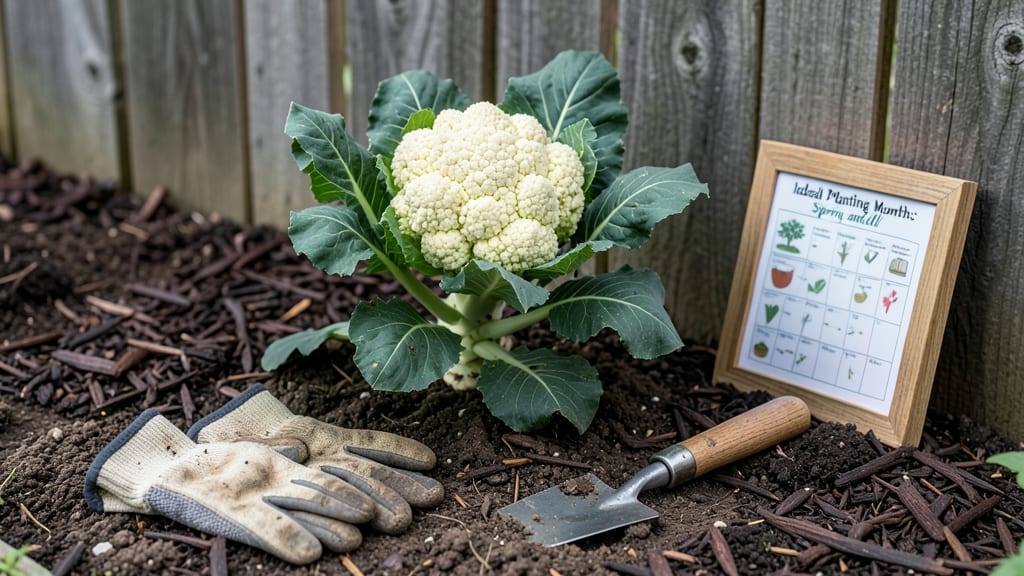
To plant cauliflower at the right time means the difference between a plump, snow-white harvest and a bitter, bolted disappointment—especially when summer heat arrives too soon.
Timing your cauliflower planting can mean the difference between a bountiful harvest and a sad, bolted mess—especially when frost threatens your hard work.
This cool-season crop thrives in USDA Zone 6a when soil temperatures hover between 45°F and 75°F, making early spring or late summer the ideal windows. Get it wrong, and you’ll spend all season chasing shade or racing against the clock.
Below, I break down the exact frost-free planting times for your zone, how to adjust for microclimates, and the three signs your cauliflower is happy (or heading for disaster).
USDA Zone planting calendar for cauliflower success
Cauliflower thrives in cool weather and bolts when temperatures rise above 80°F (27°C). Knowing your USDA zone helps you pick the perfect planting window—whether for spring or fall harvests.
In colder zones (3-5), start seeds indoors early, while warmer zones (8-10) can direct-sow in late summer for fall crops. Let’s break down the frost-free planting schedule by zone to avoid bolting and ensure a steady supply.
Your last frost date is the golden rule: plant 4-6 weeks before it for spring harvests, or 80-100 days before your first frost for fall. For example, in Zone 6a (like Chicago), aim for March-April (spring) or July-August (fall).
In Zone 9a (like Los Angeles), skip spring planting entirely—focus on late summer to avoid heat stress. Varieties like 'Snowball Y Improved' tolerate cooler temps, while 'Purple of Sicily' handles mild heat better.
🌱
| USDA Zone | Spring Planting Window | Fall Planting Window | Heat Tolerance | Best Varieties |
|---|---|---|---|---|
| 3-4 | Indoors: Feb-Mar Outdoors: Apr-May |
Jul-Aug (80-100 days before frost) | Low (bolts at 70°F) | 'Snowball Y', 'Early Snowball' |
| 5-6 | Indoors: Mar-Apr Outdoors: May |
Jul-Aug | Moderate (avoid 80°F+) | 'Purple of Sicily', 'Romanesco' |
| 7-8 | Oct-Nov (fall only) | Aug-Sept | Moderate (shade cloth helps) | 'Graffiti' (colorful), 'Cheddar' |
| 9-10 | N/A (too hot) | Aug-Sept (with shade) | High (needs shade) | 'Violetta', 'Green Duke' |
In Zones 3-4, protect seedlings with row covers if nighttime temps dip below 40°F (4°C). For Zones 7-8, use shade cloth (30-50%) during peak summer to prevent bolting. Zone 9-10 gardeners should stick to fall planting and provide afternoon shade.
Pro tip: Succession plant every 2-3 weeks in spring/fall to stagger harvests and avoid gaps in your kitchen garden.
Heat stress is cauliflower’s biggest enemy. If daytime temps creep above 75°F (24°C), switch to heat-tolerant varieties like 'Graffiti' or 'Purple of Sicily'. For extreme heat, try container growing with self-watering pots and move them to shaded patios during the hottest hours.
Mulch with straw or grass clippings to keep soil cool and retain moisture—cauliflower needs 1-2 inches of water weekly.
💧
Don’t overlook soil temperature: cauliflower seeds need 40-50°F (4-10°C) to germinate. In warmer zones, soak seeds in water for 24 hours before planting to speed up germination. For fall crops, aim to transplant seedlings when soil temps are below 70°F (21°C).
Use a soil thermometer to monitor—ideal transplanting temps are 55-65°F (13-18°C). In Zones 5-6, you can even try a second fall crop by planting in late July for a September-October harvest.
If you’re in a transition zone (e.g., Zone 7b), split your planting: half in spring (March) and half in fall (August). This doubles your harvest potential! Just watch for cabbage worms and aphids—use neem oil or row covers to protect young plants.
For organic growers, companion plant with dill, thyme, or onions to deter pests naturally.
✂️
Remember: timing isn’t just about frost—it’s about
How to adjust planting for your local microclimate
Your USDA zone gives you a starting point, but your local microclimate can shift planting times by weeks. Coastal areas stay cooler longer, while urban heat islands bake plants faster.
Even a 500-foot elevation gain can delay frost by 2-3 weeks. Understanding these factors helps you avoid bolted cauliflower or frost damage before harvest.
Start by observing your garden's unique conditions for 2-3 years. Note when nearby tomatoes or broccoli thrive—cauliflower follows similar patterns. Coastal gardeners can plant 2-4 weeks later than inland zones, while mountain growers may need to start seeds 6 weeks earlier to compensate for shorter seasons.
These adjustments prevent premature bolting from heat stress.
- 🌬️ Coastal Areas: Delay spring planting by 2-4 weeks due to cooler temps; extend fall season with row covers until November.
- 🏙️ Urban Heat Islands: Start seeds 3-5 weeks earlier or use shade cloth (30-50%) to prevent bolting in summer heat.
- ⛰️ High Elevations: Plant 6 weeks earlier than zone guidelines; choose cold-hardy varieties like 'Snowball Y' for Zone 3.
- 🌊 Lakes/Rivers: Expect 10-15°F cooler nights; plant purple varieties (more frost-tolerant) in early spring.
- 🌡️ Row Covers: Extend season by 4-6 weeks in spring/fall; remove during daytime for pollination if growing open-pollinated varieties.
For coastal climates, cauliflower thrives with extended fall planting until late September. Use floating row covers to protect from light frosts (28-32°F). In Zone 8-10, focus on fall/winter harvests—plant in August-September for heads ready by December-January.
My coastal garden in Zone 9 yields purple cauliflower year-round with seasonal adjustments.
Urban gardeners face heat stress from pavement and buildings. Solution: shade cloth or afternoon shade from nearby structures. Test soil temps—cauliflower bolts when soil exceeds 75°F.
I’ve seen Zone 7 gardens fail in July but succeed with drip irrigation and mulch to keep roots cool. Prioritize morning watering to reduce evaporation.
High-elevation gardens (3,000+ feet) need earlier starts. Seedlings take longer to mature in cooler air. My Zone 5 mountain garden plants by May 1st (vs. April 15th in valleys) for fall harvests.
Choose compact varieties like 'Snowball' to mature before first frost. Always monitor 10-day forecasts—a cold snap can ruin a crop in 48 hours.
Pro tip: Succession plant every 2 weeks in spring/fall to stagger harvests. Use row covers for 30-45 days after last frost to warm soil faster. I’ve added 3 weeks to my Zone 6 season by combining these tricks—now I harvest cauliflower from June to October. 🌱