
How To
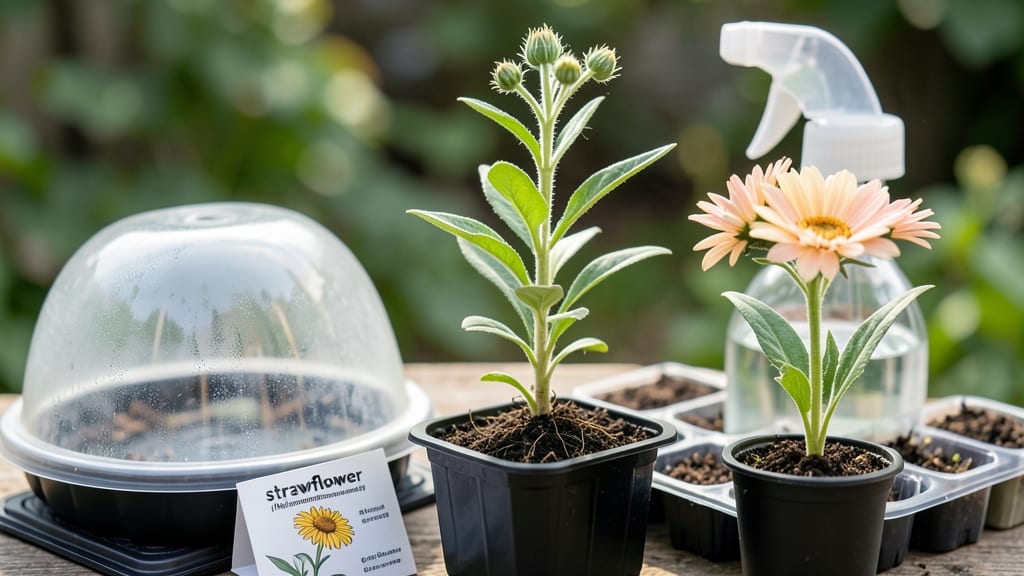
Starting strawflower seeds indoors 8-10 weeks before your last frost date is the secret to vibrant summer blooms that last from July through September.
Picture this: you’ve waited all winter, and now your strawflower seedlings are leggy and weak, or worse, your beautiful 🌼 blooms arrive too late to enjoy. The right timing makes all the difference—and it’s easier than you think.
Whether you’re in USDA Zone 6a or another region, knowing your frost dates and local climate is key. I’ll walk you through how to calculate the perfect start time, plus tips to avoid common mistakes that ruin seedlings before they even make it outside.
By the end, you’ll have a clear, zone-specific timeline to start your strawflower seeds indoors for perfect summer color—no guesswork, just gorgeous results.
How to calculate your frost dates for strawflower seed starting
Timing your strawflower seeds (helianthus strumosus) indoors depends entirely on your last frost date. This critical date tells you when it’s safe to transplant seedlings outdoors without risking frost damage.
For strawflowers, which thrive in warm weather, getting this right ensures strong, healthy plants ready to bloom by summer.
Start by finding your USDA growing zone—this determines your average last frost date. For example, Zone 5 typically has a last frost around April 15, while Zone 9 might see frost as late as January 15.
Use the USDA Plant Hardiness Zone Map to confirm your zone, then adjust your seed-starting timeline accordingly.
Once you know your last frost date, count backward 8-10 weeks to determine when to start your seeds indoors. Strawflowers need this time to grow into sturdy seedlings before facing outdoor conditions. For instance, if your last frost is May 1, start seeds around February 15-20.
Local weather patterns can shift these dates. Check your local almanac or weather service for historical frost data. In areas with unpredictable springs, like the Pacific Northwest, err on the side of starting seeds 2-3 weeks earlier to account for late frosts.
Your first frost date also matters if you’re planning to overwinter strawflowers. While they’re annuals in most climates, knowing when frost arrives helps you decide whether to extend the season with row covers or harvest seeds before cold sets in.
For strawflowers, aim to transplant seedlings outdoors when soil temperatures consistently reach 55°F (13°C). Use a soil thermometer to check—cold soil can stunt growth. In cooler zones, consider using black plastic mulch to warm the soil faster and extend the growing season.
If you’re unsure about your local frost dates, consult your cooperative extension service. They provide region-specific advice tailored to your climate. For example, gardeners in Zone 6 with a late-spring frost might push transplanting to May 1 instead of April.
Once you’ve calculated your dates, mark them on a calendar. Set reminders for seed starting, hardening off (acclimating seedlings to outdoor conditions), and transplantingstrawflowers get the head start they need to thrive.
Pro tip: If you’re in a warmer zone (like Zone 9), you can even start seeds in late fall for an early spring display. Just be prepared to provide shade during hot summer months to prevent bolting.
By mastering your frost dates, you’ll transform guesswork into a reliable schedule for growing stunning strawflowers that brighten your garden from summer through fall. 🌼
Best indoor seed starting timeline by USDA growing zones
Strawflowers (Helianthus strumosus) thrive when started indoors at the right time, but your USDA zone and local frost patterns dictate the perfect window.
In Zone 3, for example, you’ll need to begin seeds 10-12 weeks before your last frost, while Zone 10 gardeners can sow as late as February for summer blooms.
Microclimates—like urban heat islands or sheltered valleys—can shift these dates by 2-4 weeks, so always check your local frost records.
For most gardeners, 8-10 weeks before transplanting is ideal, but cooler zones (3-5) should err on the earlier side to avoid leggy seedlings. Warmer zones (7-10) can wait until late January or early February without risking slow growth.
Use the table below to pinpoint your exact start date, then adjust based on whether you’ve had early or late frosts in past years.