
Plants
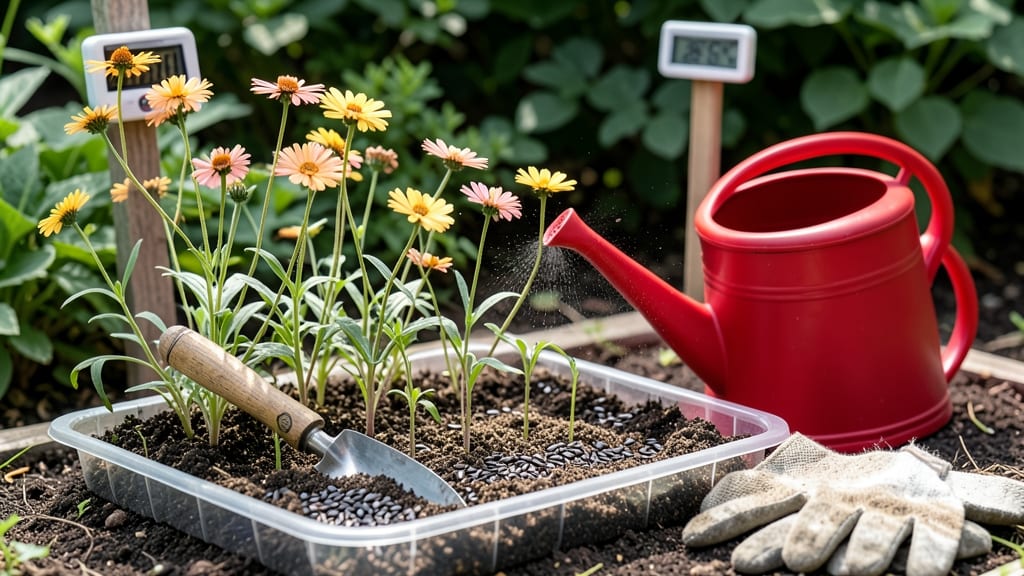
To plant strawflower seeds for vibrant, long-lasting blooms 🌼, aim for April to May after the last frost in your region—timing is everything for those bold, papery flowers.
Struggling to time your strawflower seed planting for vibrant, long-lasting blooms? Get it wrong, and you’ll miss the peak growing season—here’s exactly when to plant for maximum impact.
These drought-tolerant annuals thrive in full sun and well-drained soil, but they need the right temperature to germinate. Too early, and frost will kill them; too late, and you’ll miss their stunning summer-to-fall display.
Below, I’ll break down the best planting windows by USDA zone, soil prep tips, and how to space them for full, bushy growth—so you can enjoy those cheerful blooms from July through October.
Optimal strawflower planting dates by USDA hardiness zones
Timing your strawflower seed planting is everything for those bold, papery blooms that last forever in arrangements. These drought-tolerant annuals thrive when planted at the right soil temperature—too early, and frost will kill tender seedlings; too late, and you’ll miss peak summer color.
The key? Planting when nighttime temps stay above 50°F and soil reaches 60-75°F.
Your USDA hardiness zone dictates your planting window. In warmer zones (8-9), you can start as early as February for spring blooms, while cooler zones (3-6) should wait until after last frost—typically April-May.
Even better? Strawflowers handle late summer sowings too, giving you a second chance for fall color.
Here’s the zone-by-zone breakdown of when to plant strawflower seeds for maximum success, including soil temperature thresholds and frost-free windows:
| USDA Zone | Frost-Free Window | Ideal Planting Months | Soil Temp for Germination | Late Summer Option? |
|---|---|---|---|---|
| 3-5 | May 15 - Sept 15 | May - June | 65-75°F | ✅ July-August |
| 6-7 | April 15 - Oct 1 | April - May | 60-70°F | ✅ July |
| 8-9 | Feb 15 - Nov 15 | February - March OR August | 55-65°F | ✅ September |
*Late summer plantings yield fall blooms and avoid summer heat stress.
In cooler zones (3-5), I recommend starting seeds indoors 6-8 weeks before your last frost date to give seedlings a head start. Use grow lights or a sunny windowsill, and transplant outdoors only when soil warms to 65°F. A soil thermometer is your best friend here—don’t guess!
For warmer zones (8-9), you’ve got flexibility. Sow seeds in late winter (February) for spring blooms or try a late summer planting (August) to beat the heat and enjoy fall color. Just ensure nights stay above 55°F—strawflowers hate cold snaps.
Pro tip: If you’re in a transition zone (6-7), split your planting. Sow half in April for summer blooms and half in July for fall color. This extends your bloom time by months and keeps your garden looking fresh all season.
One mistake I see often? Planting too early in cooler climates and watching seedlings rot in cold, wet soil. Strawflowers won’t germinate below 60°F, so wait for consistent warmth.
Use a clear plastic dome or row cover to protect young plants if nighttime temps dip below 50°F after planting.
Remember, strawflowers are annuals, so they’ll self-seed if you let them. If you love their dry, papery blooms, let a few go to seed—you’ll have volunteer plants popping up next year! Just thin them to avoid crowding, which leads to smaller blooms.
For container gardening, plant seeds in well-draining pots and keep them in a sunny spot. Containers warm up faster than garden beds, so you can often plant 2-4 weeks earlier than in-ground. Just ensure pots have drainage holes—strawflowers hate soggy roots.
Now that you’ve got your planting dates locked in, your next step is prepping the soil. Strawflowers love sandy, well-draining soil with a pH of 6.0-7.0.
Amend heavy clay with compost or perlite to improve drainage. Once planted, water deeply but infrequently—these drought lovers thrive on neglect once established!
Strawflower seed planting calendar: month-by-month guide
Timing your strawflower seeds correctly ensures vibrant blooms that last all summer. These drought-tolerant annuals thrive when planted at the right monthly intervals, balancing soil warmth and frost-free conditions.
Whether you're in a warm USDA Zone 9 or cooler Zone 5, this guide keeps your strawflowers on track for peak performance.
Strawflowers love warm soil temperatures between 60-75°F for germination. In cooler climates, start seeds indoors 6-8 weeks before your last frost date. For direct sowing, wait until all danger of frost has passed—typically April-May in most regions. Let’s break down the best month-by-month planting schedule to maximize your harvest.
🌱 Strawflower Planting Schedule
- 📅 March: Start indoor seeds in Zone 5-7 (6-8 weeks before last frost). Use grow lights for 12+ hours/day.
- 🌱 April: Harden off indoor seedlings and transplant outdoors after last frost in Zones 8-10. Direct-sow seeds in warmer Zones 9-10.
- 🌿 May: Ideal direct sowing in Zones 5-7. Space seeds 12-18 inches apart for full blooms. Thin seedlings to strongest plants.
- ☀️ June: Last chance for late-season planting in Zones 3-5. Use black plastic mulch to warm soil faster.
- 🌼 July-August: Succession plant for extended blooms. Deadhead spent flowers to encourage new growth.
- 💧 September: Harvest drying flowers for long-lasting arrangements. Avoid fertilizing—focus on watering deeply before frost.
For cooler climates, pre-sprouting seeds indoors gives them a head start. Use seed-starting trays with a heating mat to maintain 70°F soil temps. Once seedlings have 2-3 true leaves, transplant them outdoors after hardening off for 7-10 days to acclimate.
After blooming, extend your strawflowers’ vase life by harvesting them when buds begin to open. Cut stems at a 45-degree angle and place in water immediately. These flowers naturally dry beautifully, making them perfect for long-lasting arrangements.
With the right timing, your strawflowers will reward you with bold colors from summer through fall.
Pro tip: Mark your planting dates on a garden calendar to avoid missing the optimal windows. Strawflowers are forgiving but thrive best with consistent sunlight and spacing. Happy planting!