
Container Gardens
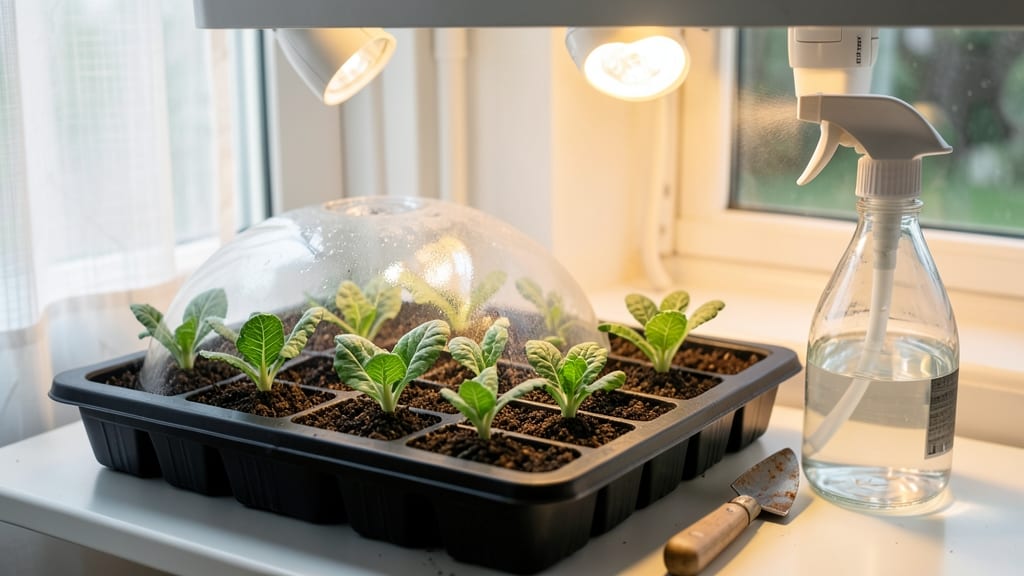
To start cauliflower seeds indoors 🥬, aim for 6-8 weeks before your last frost date—that’s the key to strong, healthy transplants ready for spring.
Timing your cauliflower seeds indoors wrong can mean stunted plants or missed harvests—but get it right, and you’ll enjoy a thriving garden packed with tender curds all season long.
Most gardeners in Zone 6a (like me!) kick off seed starting in February or early March, giving seedlings enough time to mature before the first frost. If you’re in a warmer climate, like the Southern Hemisphere, adjust your schedule to align with your local frost-free window.
Inside, you’ll find a zone-by-zone timeline, temperature tips to speed up germination, and how to tweak your schedule for container gardening or extended growing seasons.
Zone-by-zone indoor starting timeline for cauliflower seeds
Timing your cauliflower seeds indoors is all about matching your local climate with the plant’s maturity timeline. Cauliflower needs 6-8 weeks indoors before transplanting, but your exact start date depends on your USDA hardiness zone and last frost date. Get it wrong, and you’ll either have leggy seedlings or miss your harvest window entirely.
Cauliflower thrives in cool weather and moderate temperatures, making it a perfect fit for spring planting in most regions.
The key is starting seeds early enough to transplant 2-3 weeks before your last frost date—this gives seedlings time to harden off and establish roots before soil temperatures warm up.
Below, I’ve broken down the ideal indoor start windows by zone to ensure your cauliflower heads form before summer heat stresses them.
Pro tip: Use a seedling heat mat (70-75°F) to speed up germination, which can take 7-14 days in cool homes. Once sprouted, keep seedlings under grow lights or a sunny window to prevent etiolation (those sad, stretched-out seedlings).
If you’re in Zones 3-4, your indoor start window is tight—begin by early February to avoid transplanting too late. These northern climates benefit from cold-hardy varieties like ‘Snowball Y Improved’ or ‘Purple of Sicily,’ which tolerate cooler soils.
For Zones 5-6, aim to start seeds by mid-January to ensure transplants are ready by early May, just as soil warms.
In warmer zones (7-10), you’ve got more flexibility. Zone 7 gardeners can start seeds as late as February for spring crops, while Zone 9-10 growers can even overwinter seeds for early spring harvests.
Just be mindful of bolting—cauliflower hates heat, so avoid planting when daytime temps exceed 80°F (27°C).
Container gardeners should adjust their timeline by 1-2 weeks earlier since pots warm up faster than in-ground soil. Use black plastic mulch or row covers after transplanting to extend your growing season in cooler zones. And remember: hardening off is non-negotiable—acclimate seedlings to outdoor conditions for 7-10 days before planting.
For fall harvests, calculate your first frost date and work backward. Most cauliflower varieties need 70-90 days total, so start seeds 8-10 weeks before your first frost. In Zones 5-6, this means late July to early August starts for a fall harvest in October.
Use shade cloth in summer to protect seedlings from heat stress.
Finally, always check your seed packet for days to maturity—some varieties like ‘Cheddar’ mature in 55 days, while others like ‘Romanesco’ take 90+ days. Match your variety to your growing season length to avoid disappointment. With the right timing, you’ll be feasting on
Key factors that determine your perfect cauliflower seed start date
Starting your cauliflower seeds indoors at the right time ensures strong, healthy plants ready for transplanting. But how do you calculate the perfect date? It all begins with understanding your local frost dates and the maturity time of your chosen variety.
Cauliflower typically needs 50 to 90 days to reach harvest, depending on the type—early varieties on the shorter end, heirlooms on the longer.
Your last spring frost date is the anchor for timing. Most gardeners aim to transplant seedlings outdoors 2 to 3 weeks before the last frost, giving them time to establish roots before cooler temperatures arrive.
For fall harvests, you’ll also need to consider your first fall frost date to avoid bolting or stunted growth. Let’s break down the key factors that determine your ideal start date.
- 1. Check Your Last Spring Frost Date
Find your USDA hardiness zone and look up the average last frost date for your area. This is your deadline for transplanting seedlings outdoors. - 2. Calculate Backwards Based on Maturity
Subtract 6 to 8 weeks from your last frost date to determine your indoor start window. For example, if your last frost is May 15, start seeds around March 20 to April 1. - 3. Account for Variety-Specific Days to Harvest
Early varieties (e.g., 'Snowball Y Improved') mature in 50-60 days, while heirlooms (e.g., 'Romanesco') take 80-90 days. Adjust your start date accordingly. - 4. Plan for Fall Harvests (If Applicable)
For fall planting, subtract 80-90 days from your first fall frost date to avoid bolting. Start seeds indoors in mid-summer for a late-season harvest. - 5. Adjust for Container Gardening
Container-grown cauliflower may need 1-2 extra weeks indoors due to slower root development. Start seeds slightly earlier to compensate.
Once you’ve nailed down your start date, maintain consistent germination temperatures of 70°F (21°C) and provide bright light (14-16 hours/day) to prevent leggy seedlings. Without proper light, your cauliflower seedlings will stretch toward any available source, weakening their stems and reducing transplant success.
Regional variations also play a role. In warmer climates (Zones 8-10), you might start seeds as early as January for spring harvests or July-August for fall. In cooler climates (Zones 3-6), aim for late February to early March to avoid transplanting too early in cold soil.
Pro tip: Use a seedling heat mat for the first 10-14 days to speed up germination, especially in cooler homes. Once sprouted, keep seedlings in a sunny window or under grow lights until they’re ready for hardening off.
With the right timing, you’ll have plump, flavorful cauliflower heads in no time!