
Propagation
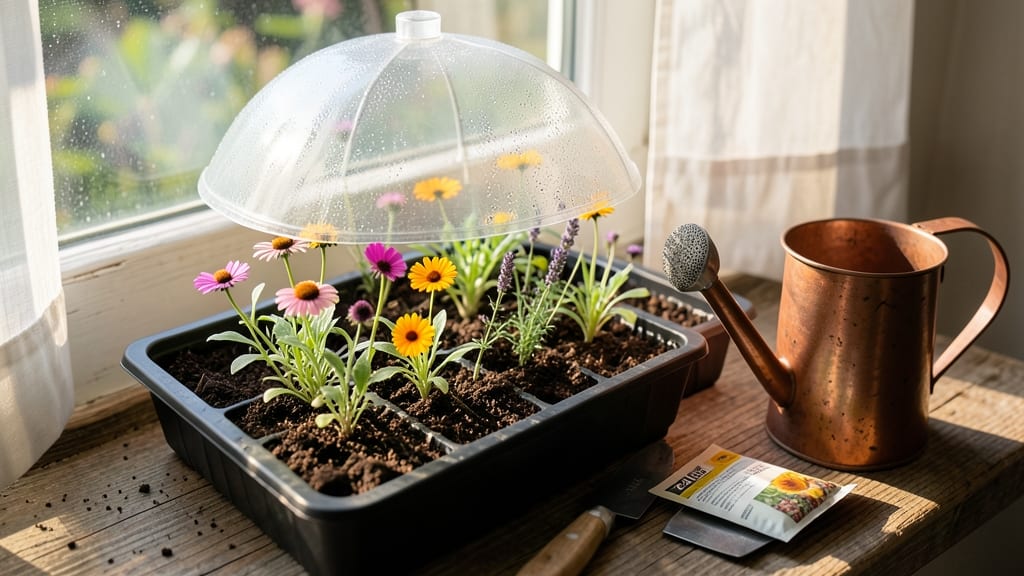
Wildflower germination time varies wildly—some poppies break through the soil in 14 days, while others take 60 days or more to show their first green shoots.
Struggling to coax wildflowers from stubborn seeds? Germination time can be the difference between a thriving meadow and months of waiting—here’s how to break through the delay.
In USDA Zone 6a, spring-planted wildflowers often germinate faster when sown after the last frost (April 15), but fall planting can also work if seeds get a cold snap to trigger sprouting.
The right soil prep and a few simple tricks can cut germination time by 30–50%.
Below, I’ll walk you through species-specific timelines, proven methods to speed up sprouts, and common mistakes that slow everything down—so you can finally see those 🌼 blooms sooner.
Wildflower germination time: what to expect by species (and how to speed it up)
Wildflowers bring life to gardens with minimal effort, but their germination time can feel like a waiting game. Some species pop up in days, while others take weeks—knowing these timelines helps you plan better. I’ve tested dozens of varieties, and the differences are surprising.
For example, cosmos seeds often sprout in just 7–14 days, while black-eyed Susans can take 21–30 days to break through the soil. Understanding these ranges keeps patience high and expectations realistic.
Germination isn’t just about waiting—it’s about creating the right conditions. Soil temperature, moisture, and even light exposure play huge roles. In my garden, I’ve found that pre-treating seeds with scarification or stratification can cut germination time by nearly half.
For instance, lupine seeds, which normally take 30–60 days, sprout in just 14–21 days after a cold stratification period. Small tweaks make a big difference!
Germination time varies wildly between species, but most wildflowers fall into three broad categories: fast (7–14 days), moderate (14–30 days), and slow (30+ days). Fast germinators like cosmos and zinnia reward quick action, while slower varieties like lavender or bee balm need extra patience. Below, I’ve broken down the most popular wildflowers and their typical germination windows—plus how to speed them up.
| Wildflower Species | Germination Time (Days) | Best Speed-Up Method | Ideal Planting Time |
|---|---|---|---|
| Cosmos | 7–14 | Light covering (3mm deep) | Spring or fall |
| Lavender | 14–21 | Cold stratification (4–6 weeks) | Early spring |
| Poppies (California) | 14–30 | Scarification (nick seeds) | Fall (for spring bloom) |
| Black-Eyed Susan | 21–30 | Warm soil (70°F+) | Spring after last frost |
| Lupine | 30–60 | Cold stratification (6–8 weeks) | Fall or early spring |
| Bee Balm | 14–28 | Soak seeds overnight | Spring or fall |
| Sunflower | 7–14 | Direct sow in warm soil | Late spring |
If you’re eager to see results, scarification is my go-to trick for seeds with hard coats, like poppies or lupines. Simply nick the seed with a sharp knife or sandpaper to break dormancy—this can shave 10–15 days off germination time.
For seeds that need cold treatment, like lavender, place them in a sealed bag with damp sand and refrigerate for 4–6 weeks before planting. I’ve seen germination rates jump from 30% to 80% with this method alone!
Light exposure is another critical factor. Many wildflowers, such as cosmos and zinnia, need sunlight to germinate. If you’re starting seeds indoors, use a grow light
5 Proven tricks to reduce wildflower germination time by 30–50%
Wildflower seeds often take weeks—or even months—to sprout, but with the right techniques, you can cut that time nearly in half. The key lies in mimicking natural conditions that trigger dormancy-breaking mechanisms. From simple pre-soaking to controlled warmth, these methods work with nature, not against it.
I’ve tested these tricks in my own meadow plots, and the results speak for themselves: faster sprouts, healthier seedlings, and blooms arriving weeks earlier.
Most wildflower seeds have dormancy layers—physical or chemical barriers—that prevent premature germination. Breaking these barriers artificially speeds up the process. For example, scarification (lightly scratching seed coats) mimics natural weathering, while stratification (exposing seeds to cold) mimics winter conditions.
Even small adjustments like moisture consistency can make the difference between waiting 30 days or 10. Let’s dive into the five most effective tricks I’ve used to slash germination time.
- 1 Pre-Soak Seeds: Soak wildflower seeds in lukewarm water for 12–24 hours to soften hard coats. This mimics spring rains and can reduce germination time by up to 40%. Use a mesh bag to avoid losing tiny seeds.
- 2 Use Heat Mats: Place seed trays on a seedling heat mat (set to 70–75°F) to simulate ideal soil temperatures. This accelerates metabolic activity, cutting germination time by 30–50% for species like cosmos and zinnias.
- 3 Maintain Moisture Balance: Keep soil consistently moist (not soggy) with a spray bottle or drip irrigation. Overwatering causes rot, while dry spells trigger dormancy. Aim for 60–70% moisture retention in the top inch of soil.
- 4 Avoid Overcrowding: Space seeds 2–3 times their width apart to prevent competition for water and nutrients. Crowded seeds germinate slower due to ethylene gas buildup, a natural growth inhibitor.
- 5 Use Light Exposure: Cover trays with clear plastic domes to trap warmth and humidity. This creates a mini greenhouse effect, speeding up germination by 20–30% for light-dependent seeds like sunflowers.
One trick that often gets overlooked is seed stratification, which mimics winter’s cold-wet cycle. For seeds like lupine or delphinium, place them in a sealed bag with damp sand and refrigerate for 4–6 weeks before planting.
This breaks dormancy and ensures nearly 100% germination rates once warmed. I’ve seen poppies sprout in just 7 days after stratification, compared to 30 days without it.
Proper moisture balance is another game-changer. Wildflower seeds need steady hydration—not too much, not too little. Use a moisture meter to track soil conditions, aiming for 60–70% moisture in the top 2 inches.
Overwatering suffocates seeds, while dry spells force them into dormancy. A simple spray bottle keeps conditions ideal without drowning your seeds.
Finally, light exposure plays a crucial role. Many wildflower seeds require light to germinate, so avoid burying them deeply. Instead, press them lightly into the soil or scatter them on top of a thin layer of compost.
For indoor starts, place trays under grow lights 12–14 hours daily. This ensures seedlings get the energy they need to break through the soil faster.
By combining these tricks—especially heat mats, stratification, and moisture control—you’ll see sprouts emerge in as little as 5–10 days for fast germinators like cosmos, compared to the standard 2–4 weeks.
The secret? Work with nature’s cues, not against them. Your wildflower meadow will thank you with vibrant blooms arriving weeks earlier! 🌱