
Companion Plants
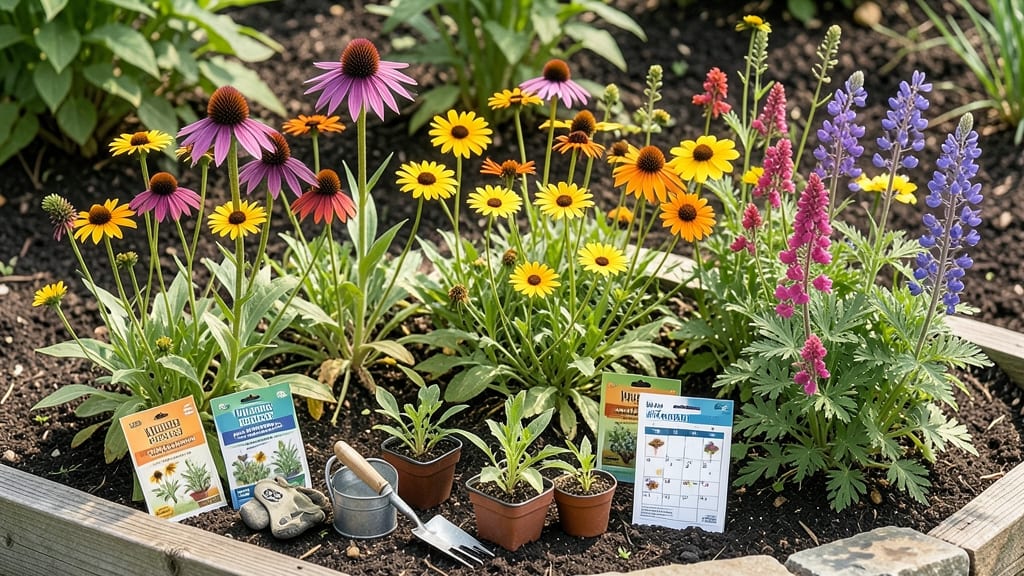
Plant wildflower seeds in Massachusetts between mid-April and early October, when soil temperatures rise above 50°F and frost no longer threatens 🌼.
Timing is everything when it comes to wildflower seeds—plant too early and frost will wipe them out, too late and they’ll struggle to establish before winter.
In Massachusetts, where hardiness zones range from 5 to 7, knowing the exact frost-free window can mean the difference between a vibrant meadow and a failed project.
Spring planting in early April gives seeds a head start, while fall planting in September lets them germinate in warm soil before winter sets in. Both windows work, but fall often succeeds better in Massachusetts’ climate, especially for native species like black-eyed susan and milkweed.
Below, I break down the ideal planting windows by zone, soil prep tips to ensure germination, and how to adjust for Massachusetts’ variable frost dates—so you can finally get that pollinator-friendly meadow you’ve been dreaming of.
Massachusetts wildflower planting calendar by hardiness Zone (5-7)
Massachusetts spans USDA hardiness zones 5-7, creating distinct planting windows for wildflowers. In Zone 5b (Western MA), the last spring frost typically arrives around April 20-25, while Zone 6b (Cape Cod) sees frost-free conditions by April 10-15.
These dates shift your wildflower planting timeline by nearly a month between regions.
Understanding these frost-free windows is critical because wildflower seeds need consistent soil temperatures (at least 40°F for germination) and 6-8 weeks frost-free to establish roots before winter.
Plant too early in Zone 5, and a late frost will kill tender seedlings. Plant too late, and they won’t mature before cold sets in.
For spring planting, aim to sow seeds 2-4 weeks after your last frost date. In Zone 5b, that’s roughly May 1-15, while Zone 6b gardeners can start as early as April 20.
Fall planting offers a longer window—September 1-October 15—but soil must remain workable and frost-free for 4-6 weeks after sowing.
Regional variations matter: Boston’s coastal Zone 6a enjoys 180 frost-free days, while Western MA’s Zone 5b has just 150 days. This affects which wildflower species thrive—annuals like cosmos need the longer season, while perennials like black-eyed susan adapt better to shorter windows.
Here’s how to use this planting calendar for your zone: Check your last frost date (use USDA frost maps or local reports), then count back 6-8 weeks for spring planting or forward 4-6 weeks before first frost for fall.
For example, if your first frost is October 15, plant fall seeds by September 1.
Native wildflowers like New England aster and wild bergamot are ideal for MA’s climate, as they’re adapted to variable frost dates and moisture fluctuations. These species often self-seed, making them low-maintenance once established.
Use this planting calendar to align your wildflower project with your zone’s frost-free window. For example, in Zone 5b, spring planting should start no earlier than May 1 to avoid frost damage, while fall planting must finish by September 15 to allow root establishment before cold sets in.
Pro tip: Native wildflower mixes often include seeds with variable germination times, so stagger planting dates by 2-3 weeks to ensure a continuous bloom. For instance, plant half your seeds in early May and the rest 3 weeks later in Zone 5b.
Adjust for microclimates—south-facing slopes warm earlier, while low-lying areas may frost later. Monitor local weather forecasts and use frost cloth for early spring plantings in colder zones to extend your planting window by 1-2 weeks.
Remember, fall planting often yields better results in MA because cooler temperatures reduce weed competition and seedling stress. Plus, seeds sown in September germinate in spring, giving them a head start on growth before summer heat arrives.
Spring vs. fall planting: which works best for Massachusetts wildflowers?
Deciding between spring and fall planting for wildflowers in Massachusetts can feel overwhelming, but the right choice depends on your soil conditions and native species. While both seasons offer benefits, fall planting often gives wildflowers a head start by leveraging cooler temperatures and consistent moisture.
In MA’s USDA zones 5-7, fall planting typically yields stronger root systems before winter dormancy.
Spring planting, on the other hand, allows you to take advantage of warmer soil temperatures and longer daylight hours, which can speed up germination. However, early spring seeds risk late frost damage or competition from weeds.
For annual wildflowers like cosmos or zinnias, spring planting works well, but perennials like milkweed and black-eyed susan often thrive better when planted in fall.
Spring Planting
Fall Planting
For native Massachusetts wildflowers, fall planting is often the better choice. Species like black-eyed susan and milkweed benefit from cooler fall temperatures, which help them establish deep roots before winter.
Aim to plant between mid-September and early October to allow seeds to germinate and develop before the first frost, typically around mid-October in most of MA.
If you prefer spring planting, wait until after the last frost date, usually around mid-April to early May, depending on your zone. Focus on annual wildflowers like cosmos or sunflowers, which thrive in the warmer months.
Always prepare your soil by removing weeds and loosening the top layer to ensure good seed-to-soil contact.
Moisture is critical in both seasons. In spring, water deeply after planting to encourage germination, while fall-planted seeds benefit from natural rainfall and cooler air, reducing evaporation. Mulch lightly to retain moisture and protect seeds from temperature fluctuations.
Ultimately, your choice depends on your gardening goals and wildflower mix. For a low-maintenance, long-lasting meadow, fall planting of native perennials is your best bet. For quick color and variety, spring planting of annuals delivers instant results.