
Flowers
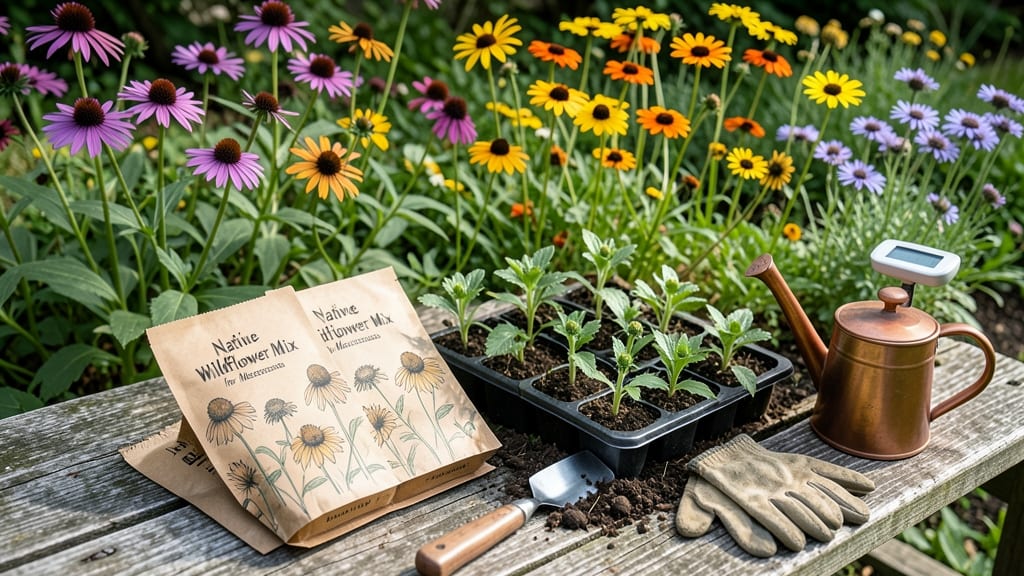
Planting wildflowers in Massachusetts at the right time means the difference between a vibrant meadow and a missed opportunity.
Timing is everything when planting wildflowers in Massachusetts—get it wrong, and your vibrant meadow might never bloom. But with the right frost-free deadlines by zone, you can transform your garden into a pollinator paradise effortlessly.
Massachusetts gardeners know the stakes: too early, and a late frost wipes out tender seedlings. Too late, and summer heat arrives before blooms even appear. The key lies in understanding your USDA zone—whether you're in 5b or 7a—and planting either in early spring (March-April) or early fall (September-October).
Below, I’ll break down the exact frost-free deadlines by region, the best native wildflowers for your zone, and how to stretch your planting window with simple soil prep and care tricks.
Massachusetts wildflower planting deadlines by hardiness Zone (chart included)
Massachusetts spans USDA Hardiness Zones 5b-7a, meaning frost dates vary dramatically from coastal areas to inland valleys. Planting wildflowers at the wrong time can stunt growth or kill seedlings before they establish.
The key is aligning your planting with frost-free dates and understanding whether you're sowing annuals (one-season bloomers) or perennials (returning yearly).
For Zone 5b (e.g., Worcester, Springfield), the last frost typically arrives around April 15, while Zone 7a (e.g., Cape Cod, Nantucket) sees frost-free conditions by March 15. Coastal areas enjoy a 4-6 week earlier start than inland regions, so adjust your calendar accordingly.
Fall planting is equally critical—aim for 6-8 weeks before first frost (early September for Zone 5b, late October for Zone 7a).
Annual wildflowers like cosmos and zinnia thrive when sown 2-3 weeks after your last frost date, while perennials such as black-eyed Susans and cone flowers benefit from early spring or fall planting to establish deep roots. Below, find a zone-specific deadline chart to pinpoint your ideal planting window.
If you're planting annual wildflowers like sunflowers or marigolds, wait until soil temperatures reach 60°F+—use a soil thermometer to check. For perennials, early spring planting (before April 15) gives roots time to establish before summer heat, while fall planting (6-8 weeks before frost) reduces competition from weeds.
Pro tip: Direct sow wildflower seeds instead of transplanting—this mimics natural conditions and boosts survival rates.
For Zone 5b gardeners, aim to plant black-eyed Susans and bee balm by April 15 to ensure they bloom by summer. In Zone 7a, you can push the envelope and sow cosmos as early as March 15, but cover seeds with row fabric if frost threatens.
Always water deeply after planting to encourage root growth, and avoid fertilizing—wildflowers thrive in low-nutrient soil.
Missed the spring deadline? Don’t panic—fall planting is your second chance. Sow wildflower seeds in September (Zone 5b) or October (Zone 7a) to let them germinate slowly and establish before winter.
Choose cold-hardy varieties like goldenrod or astern for fall success. Mulch lightly with straw to protect seedlings from freeze-thaw cycles.
Coastal Massachusetts gardeners in Zone 7a enjoy a longer growing season, but watch for salt spray near shorelines—it can damage young plants. If your garden is exposed to salt, rinse soil with fresh water before planting and choose salt-tolerant wildflowers like beach heather.
Inland zones (5b-6b) face shorter seasons, so prioritize fast-growing annuals like lupine for quick color.
Use this frost-free chart as your guide, but always monitor local weather—unpredictable spring frosts can delay planting. For maximum blooms, stagger plantings every 2-3 weeks in spring to extend your wildflower season from June through October. Happy planting—your pollin
Best wildflower types for Massachusetts seasons (and when to sow them)
Massachusetts' diverse climate zones mean your wildflower timing depends on whether you're in coastal Zone 6b or inland Zone 5b. Native species like black-eyed Susans and purple coneflowers thrive when planted at the right moment—either early spring or early fall—to establish roots before summer heat or winter frost.
I’ve planted these same varieties in my Western MA garden and found that fall sowing often yields stronger first-year blooms.
For annual wildflowers like cosmos and sunflowers, direct sow after your last frost date (typically mid-April in most regions). But perennial wildflowers such as milkweed and bee balm prefer early spring planting so they can develop deep roots before summer’s peak.
My milkweed patch planted in March now attracts monarchs every summer—proof that timing matters!
- 🌱 March-April (Early Spring): Plant perennials like coneflowers and black-eyed Susans for deep root growth before summer.
- 🌿 September-October (Early Fall): Sow annuals like cosmos and poppies 6-8 weeks before first frost for spring blooms.
- ☀️ May-June (Late Spring): Direct sow sunflowers and coreopsis after soil warms to 60°F+.
- 🌳 Avoid June-August: New plantings struggle with established weeds and summer heat—wait for cooler months.
If you’re transplanting wildflower plugs, do it in early spring (March-April) when soil is workable but frost risk has passed. I’ve had great success with native milkweed transplants in late April—they bloom by July!
For direct sowing, scatter seeds in late spring (May-June) once soil reaches 60°F consistently. Just remember: thin seedlings to 6-12 inches apart to prevent overcrowding.
For fall-blooming varieties like goldenrod or aster, sow seeds in late summer (August) so they germinate before winter. These late-season pollinators are a lifeline for bees when other flowers fade. In my coastal MA garden, I’ve seen aster blooms extend into October—a game-changer for pollinators!
Pro tip: Stratify seeds (mix with sand, moisten, and refrigerate for 4-6 weeks) to mimic winter conditions and break dormancy. This is especially helpful for tricky seeds like lupine or wild bergamot. I’ve doubled my germination rates by stratifying—worth the extra step for reliable blooms!
Finally, mulch lightly after planting to retain moisture and suppress weeds. Use straw or shredded leaves—avoid thick layers that can smother young shoots. With the right timing and care, your Massachusetts wildflower meadow will be buzzing with pollinators in no time! 🌼