
Plants
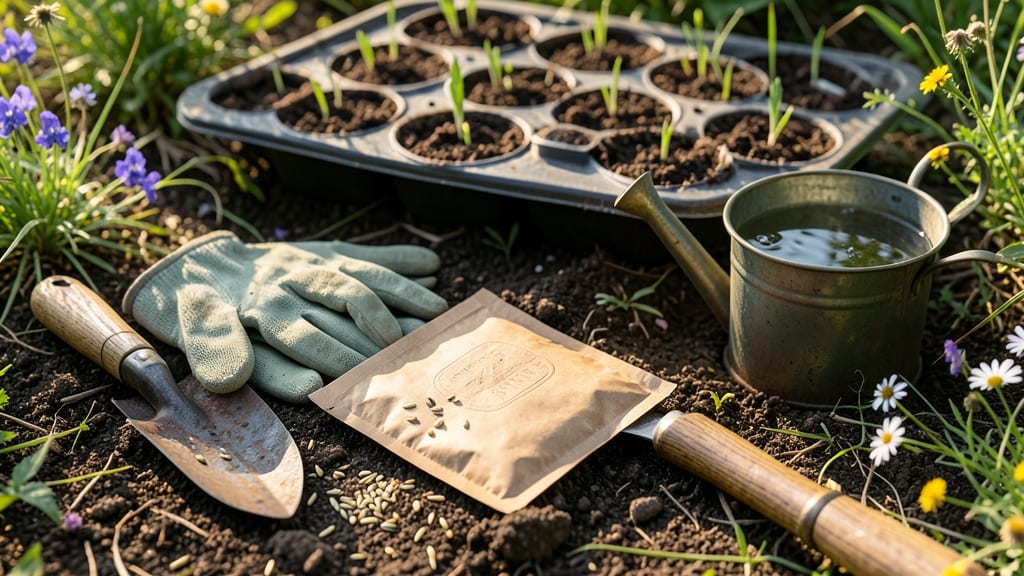
Plant wildflower seeds in Texas between September and November for the best blooms, when soil stays warm and winter rains help germination.
Miss that window, and you might end up with sparse patches of 🌼—or worse, no flowers at all. Texas’s varied USDA zones (6a–10b) mean timing shifts from North to South, but the fall planting rule holds true for most native species like bluebonnets and black-eyed Susans.
Why does this matter? Because wildflowers thrive when they get a head start on cool-season growth, avoiding the brutal Texas heat. A little prep—like loosening clay soil and scattering seeds lightly—makes all the difference between a wildflower meadow and a missed opportunity.
Below, I’ll break down the exact months for your zone, soil tricks to ensure success, and how to keep them blooming year after year with minimal fuss.
Texas USDA zones explained: best planting months by region
Texas spans USDA Zones 7-11, creating dramatic differences in frost dates and rainfall patterns that directly impact your wildflower planting success. In Zone 7 (North Texas), last frosts often hit February 15, while Zone 11 (South Texas) rarely sees frost at all.
These variations mean your bluebonnets in Amarillo need a different approach than your Indian paintbrush in San Antonio.
Most Texas wildflowers thrive when planted in fall (September-November), allowing seeds to germinate before winter rains. However, spring planting (February-April) works for drought-tolerant species like black-eyed Susans in warmer zones.
Understanding your specific zone helps you avoid planting too early (seeds may rot) or too late (spring blooms get missed).
The comparison table below breaks down optimal planting windows, frost-free periods, and rainfall patterns by Texas region to help you choose the perfect timing for your wildflower mix.
Spring: Feb 15-Mar 15
Spring: Feb 1-Mar 15
Spring: Jan 15-Mar 1
Spring: Jan 1-Feb 28
In Zone 7, I always plant bluebonnets in late September to take advantage of fall rains and establish roots before winter. The cooler temperatures also prevent seeds from sprouting too early.
Meanwhile, in Zone 10, I switch to July planting to avoid the brutal summer heat that can bake seeds into the ground.
Soil temperature is critical—most Texas wildflower seeds need 55-75°F soil to germinate. Use a soil thermometer to check before planting. In North Texas, aim for September planting when daytime temps drop below 90°F. In South Texas, you can plant as late as October thanks to warmer winters.
Rainfall patterns also dictate success. In Central Texas, I rely on October rains to help seeds establish. If your area experiences summer droughts, consider spring planting instead. Always water lightly after planting to settle seeds into the soil without washing them away.
For Indian paintbrush and Mexican feathergrass, I've found that late fall planting (November) works best in Zone 8. These species benefit from cool winter stratification, which mimics their natural growth cycle. In Zone 9, I might push planting to early December to catch any lingering rains.
Remember that overseeding in late winter (January-February) can extend your blooming season. This works particularly well for coreopsis and salvia, which thrive in spring's cooler temperatures before summer heat sets in. Just be prepared to water more frequently during establishment.
Texas' variable microclimates mean you might see 10°F temperature swings just 50 miles apart. Always check local frost dates and rainfall forecasts before committing to a planting schedule. Your county extension office is an excellent resource for zone-specific advice.
How to prepare your Texas soil for wildflower success
Texas soil can be a wildflower gardener’s biggest challenge—especially if you’re dealing with dense clay or erosion-prone slopes. But with the right prep, you can turn even the toughest soil into a thriving meadow.
Start by testing your soil’s pH and texture, as wildflowers like bluebonnets and Indian paintbrush prefer slightly acidic to neutral soil (pH 6.0–7.0). Grab a simple soil test kit from your local nursery or send a sample to the Texas A&M AgriLife Extension for precise results.
Once you know your soil type, focus on breaking up compaction—especially in clay-heavy areas. Rent a rototiller or use a broadfork to loosen the top 6–8 inches of soil.
This helps seeds make contact with moisture and nutrients. For slopes, consider installing erosion-control fabric before planting to hold soil in place while wildflowers establish.
🌱 Key Takeaway: Texas Soil Prep Timeline
Amendments are key for Texas soil. Mix in 1–2 inches of compost or a native soil blend to improve drainage and fertility. Avoid heavy fertilizers—wildflowers thrive in lean soil. For drought-prone areas, blend in sand or perlite to prevent waterlogging.
If your soil is extremely alkaline (pH > 7.5), add sulfur or peat moss to lower the pH gradually over time.
Native companion plants can boost germination rates. Pair your wildflowers with buffalo grass or blue grama grass to stabilize soil and reduce weed competition. These grasses also attract beneficial insects, creating a balanced ecosystem. For slopes, use prairie dropseed—it spreads quickly and holds soil while providing food for pollinators.
After amending, create a fine seedbed by raking the soil lightly. Wildflower seeds are tiny, so a smooth, slightly rough surface helps them stay in place. Avoid heavy mulch—it can block sunlight and moisture.
Instead, use a thin layer of straw (no more than ¼ inch) to protect seeds from birds and wind until germination.
Finally, water deeply but infrequently. Wildflowers need 1–1.5 inches of water per week during establishment, but overwatering can drown seeds. Use a gentle sprinkler or soaker hose to keep soil moist without displacing seeds. Once established, most Texas wildflowers need minimal water—just enough to survive droughts.