
Plants
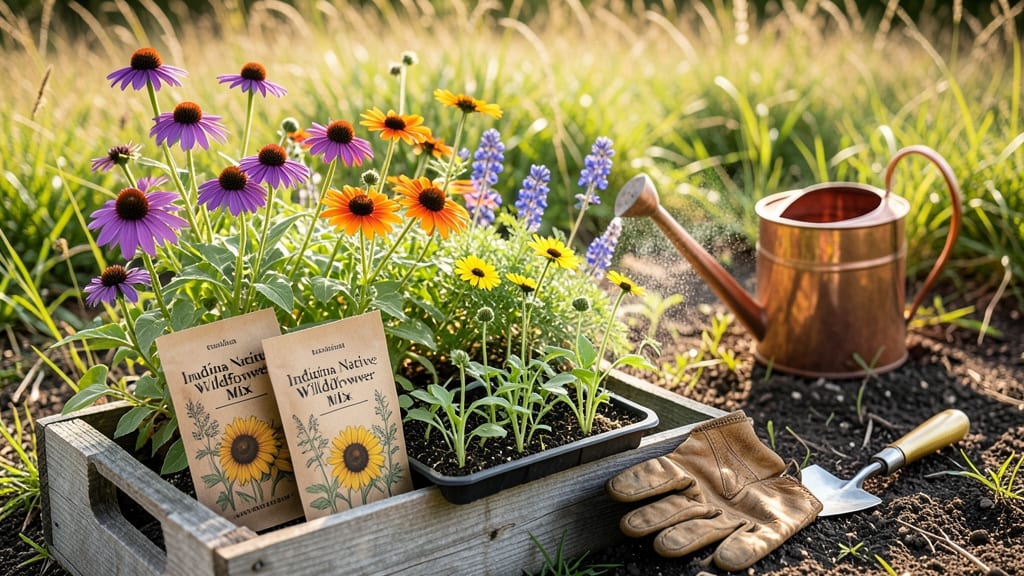
Planting wildflower seeds in Indiana at the right time means the difference between a burst of color by summer and months of waiting—or worse, no blooms at all.
Indiana’s unpredictable spring weather can leave gardeners guessing—plant wildflower seeds too early, and frost may kill them; too late, and you miss the summer blooms. But timing isn’t just about seasons—it’s about maximizing blooms, minimizing weeds, and working with Indiana’s unique climate zones.
Most gardeners assume spring is the only window, but fall planting actually gives wildflowers a head start in Zone 5b-6b, letting them establish roots before summer heat. The key? Knowing when soil temps hit 60°F and avoiding the late frosts that sneak in around April 15.
In this guide, I’ll break down the exact months for fastest blooms, soil prep secrets for Indiana’s clay-heavy soil, and the native varieties that thrive without extra fuss—so you can skip the guesswork and enjoy vibrant wildflowers from year one.
Indiana’s best wildflower planting windows: spring vs. fall timing guide
Indiana’s diverse climate zones—from northern hardiness zone 5b to southern 6b—create unique planting challenges. While spring planting is classic, fall planting often yields stronger blooms by establishing roots before winter. The key? Understanding your last frost dates (typically mid-April) and soil temperatures (ideal at 50–60°F for germination).
Most gardeners assume spring planting is the only option, but fall planting (especially September–October) gives seeds time to root before winter dormancy. In northern Indiana, where winters are harsher, fall planting must finish 6–8 weeks before first frost (usually by October 15).
Meanwhile, southern Indiana can extend planting slightly later due to milder winters.
Here’s the critical difference: Spring-planted seeds face weed competition and dry soil early in the season, while fall-planted seeds establish roots in moist, cool soil and bloom earlier next year.
For fastest blooms, combine both methods—plant spring annuals (like Black-Eyed Susan) in April and fall perennials (like Purple Coneflower) in September.
🌱
| Planting Window | Best Months (North Indiana) | Best Months (South Indiana) | Soil Temp for Germination | Key Advantages |
|---|---|---|---|---|
| Spring Planting | March–April | February–April | 50–60°F | Faster summer blooms, ideal for annuals |
| Fall Planting | September–October | September–November | 40–50°F | Stronger root growth, earlier spring blooms |
| Critical Deadlines | Last frost: April 15 | First frost: October 15 | 6–8 weeks before frost | Miss these dates = poor germination |
For northern Indiana (e.g., Gary, Fort Wayne), stick to late March–April for spring planting and September 1–October 15 for fall. In southern Indiana (e.g., Louisville, Evansville), you can plant as late as November for fall, thanks to milder winters.
Test your soil temperature with a soil thermometer—if it’s below 40°F, wait. Most wildflower seeds need consistent moisture to germinate, so plant after 1 inch of rain or water lightly daily.
Pro tip: Scratch the soil surface lightly with a rake or harrow to create a fine seedbed. Wildflower seeds are tiny and need light to germinate, so avoid burying them deeper than 1/4 inch.
After planting, label your rows with biodegradable flags to track varieties—especially if mixing annuals (fast bloomers like Cosmos) with perennials (long-lived like Butterfly Weed).
If you’re new to wildflowers, start with easy-to-grow annuals like Sunflower or Zinnia for spring planting. For fall, choose native perennials such as Wild Bergamot or Partridge Pea, which thrive in Indiana’s clay-heavy soils.
These species self-seed reliably, reducing future planting work. Just remember: overwatering after germination can cause seed rot, so keep soil moist but not soggy.
🌿
One common mistake? Planting too late in spring and missing the summer bloom window. If you plant after May 1, expect smaller blooms or delayed flowering. Conversely, fall planting after October 15 risks frost damage before roots establish. To hedge your bets, sow a
5 Key factors that determine your wildflower seed success in Indiana
Getting the timing right is just the first step—your wildflower seeds need the perfect conditions to thrive in Indiana’s clay-heavy soil and variable weather.
I’ve planted wildflowers for years here, and I’ve learned that soil prep, seed type, sunlight exposure, watering schedules, and weed competition make or break your blooms. Skip any of these, and you’ll end up with patchy growth or weeds stealing the show.
For example, annual wildflowers like Black-Eyed Susans bloom fast but fade by fall, while perennial varieties like Purple Coneflower return year after year—if you give them the right start. Let’s dive into the five factors that’ll turn your Indiana garden into a wildflower paradise.
Let’s start with soil preparation, because Indiana’s clay soil can be a wildflower’s worst enemy. I always mix in 2-3 inches of compost or aged manure to break up compaction and improve drainage.
If your soil tests acidic (pH below 6.0), add lime to sweeten it—wildflowers like butterfly weed and black-eyed Susan love neutral soil.
Next, seed selection matters more than you think. Annual wildflowers like Cosmos and Zinnias give you fast blooms in 6-8 weeks, but they’ll disappear by fall. Perennials like coneflower and bee balm take longer to establish (60-90 days) but return every year.
For fastest results, I plant a 50/50 mix of both—annuals for instant color and perennials for long-term beauty.
Don’t overlook sunlight exposure, either. Most wildflowers need full sun (6+ hours daily), but some natives like wild columbine tolerate partial shade. If your yard has shady spots, stick to woodland wildflowers like trillium or bloodroot.
Pro tip: Mark your garden’s sunniest spots in summer—they’ll be perfect for sun-loving wildflowers.
Watering is where many gardeners go wrong. Newly planted seeds need consistent moisture to germinate, but overwatering can drown them. I water lightly every morning for the first 2 weeks, then switch to deep watering once weekly.
Once established, most wildflowers are drought-tolerant, but a good soaking every 7-10 days keeps them thriving through Indiana’s hot, dry summers.
Finally, weed competition can kill your wildflowers before they bloom. I’ve seen entire seed mixes fail because weeds stole all the nutrients. To outcompete weeds, apply a thin layer of mulch (like straw) after planting, or use pre-emergent herbicide sparingly in early spring.
Pull weeds by hand when they’re small—this gives your wildflowers the best chance to establish roots before summer heat sets in.
With these five factors in place, your Indiana wildflower garden will burst into color faster than you’d expect. Start with soil prep and seed selection, then let nature take over—just give your wildflowers the right conditions, and they’ll do the rest. Happy planting! 🌼