
Plants
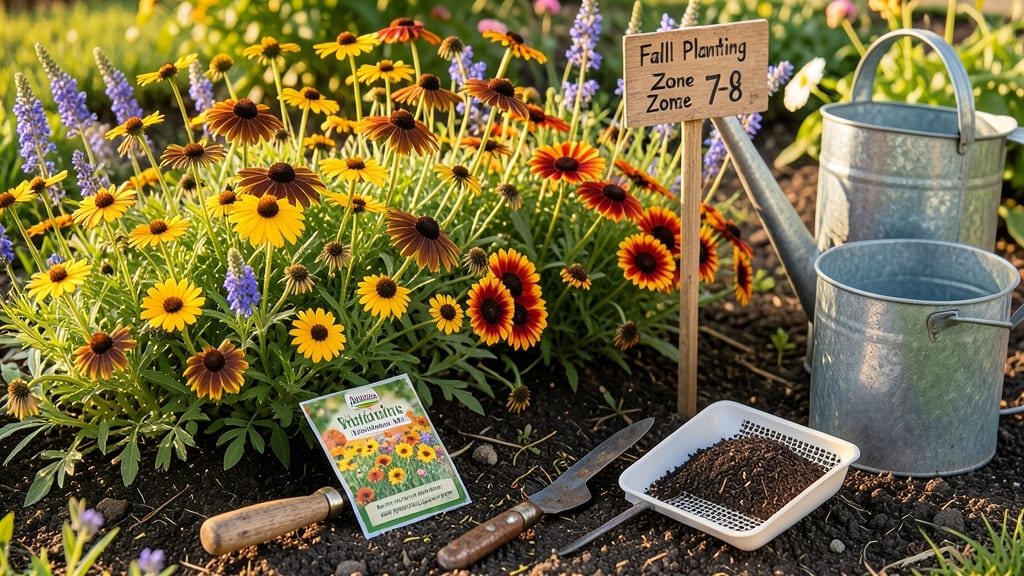
To plant wildflower seeds in Alabama at the best time, aim for fall between September and October or spring from March to April—when the soil is warm but frost isn’t a threat.
Alabama’s diverse climate—from humid coastal plains to rolling hills—creates the perfect conditions for wildflowers, but timing your planting is key to unlocking vibrant blooms year after year.
Whether you're restoring pollinator habitats or adding color to your landscape, knowing the ideal months for each USDA zone can mean the difference between a sparse garden and a wildflower paradise.
Spring planting in Alabama lets you take advantage of the state’s longer growing season in zones 7a-8b, but fall is often the most reliable time to establish seeds before winter rains. I’ll break down the exact windows for each zone, plus how to prep your soil for maximum germination success.
You’ll also discover the top wildflower varieties thriving in Alabama, their unique care needs, and how to keep them blooming from spring through fall—no guesswork required.
Best planting months for Alabama wildflowers by USDA Zone
Alabama’s varied climate—from the humid coastal plains of Zone 8b to the cooler Appalachian highlands in Zone 7a—means wildflower planting windows vary dramatically. Fall and spring are your best bets, but the exact timing depends on your specific USDA zone and microclimate.
For example, North Alabama gardeners should plant earlier than those in South Alabama to avoid late frosts, while coastal areas can extend their seasons.
Native wildflowers like Black-Eyed Susans and Purple Coneflowers thrive when planted at the right time, but even annuals like Cosmos and Zinnias need precise timing to establish roots before summer heat. Fall planting is often ideal because seeds germinate in cool weather, while spring planting gives you vibrant summer blooms.
Let’s break down the best months for each zone to ensure your wildflowers take root and flourish.
🌱 Key Tip: Always check your local last frost date (typically mid-March in North Alabama, early March in South Alabama) and first frost date (usually mid-November) to adjust your planting schedule accordingly.
| USDA Zone | Best Planting Window | Regional Notes | Wildflower Types |
|---|---|---|---|
| Zone 7a (North Alabama) | Late March–April (spring) or September–October (fall) | Cooler climate; avoid planting before last frost (mid-March). Fall planting benefits from moisture retention. | Perennials (Coneflower, Black-Eyed Susan), Annuals (Cosmos, Marigold) |
| Zone 7b (Piedmont) | March–April (spring) or August–September (fall) | Moderate climate; August planting avoids summer drought stress. | Native perennials (Blazing Star, Butterfly Weed), Drought-tolerant annuals (Lantana, Gaillardia) |
| Zone 8a (Central Alabama) | February–March (spring) or September–October (fall) | Warmer winters; February planting is possible for early blooms. | Heat-loving annuals (Zinnias, Sunflowers), Perennials (Coreopsis, Aster) |
| Zone 8b (Coastal/South Alabama) | January–February (spring) or October–November (fall) | Mild winters; January planting works for early blooms. Humidity may require extra drainage. | Tropical annuals (Portulaca, Vinca), Perennials (Salvia, Plumbago) |
🌿 Note: For container gardens, adjust timing by 2–4 weeks earlier to account for heat retention.
In Zone 7a—think Huntsville or Decatur—your last frost typically arrives around mid-March, making late March or early April the safest time for spring planting. Fall planting in September or October gives seeds time to germinate before winter rains set in. North Alabama’s cooler temperatures also mean perennials like Purple Coneflower benefit from an early start, while annuals like Cosmos can handle a later spring planting.
Moving to Zone 8a (e.g., Birmingham or Montgomeryspring planting to February for early blooms, but September–October remains ideal for fall. Central Alabama’s warmer climate supports heat-tolerant species like Zinnias, which can handle direct sunlight and dry spells once established.
For coastal Zone 8b (e.g., Mobile or Pensacola), January–February planting is possible, but October–November is safer to avoid summer humidity stress.
💧 Pro Tip: In coastal areas, amend soil with sand or perlite to improve drainage, as wildflowers hate soggy roots. Inland zones may need mulch to retain moisture during spring droughts.
For Appalachian microclimates (e.g., Zone 7a in Chestnut Mountain), consider elevated beds to prevent spring frost damage. Meanwhile, coastal gardeners should prioritize salt-tolerant species like Seashore Mallow if planting near brackish soils. Staggered planting—sowing half your seeds in spring and half
How Alabama’s climate affects wildflower germination success
Alabama’s humid subtropical climate in the south and temperate climate in the north creates unique challenges and opportunities for wildflower germination. The key factors—rainfall patterns, heat tolerance, and frost dates—dictate when and how you should plant seeds for the best results.
In my experience, these variables can transform a failed planting into a thriving meadow.
For example, South Alabama’s longer growing season (USDA zones 8a-8b) allows for fall and spring planting, while North Alabama’s shorter season (USDA zones 7a-7b) benefits most from early fall sowing. Understanding these differences helps you choose the right timing for your location and the specific wildflowers you’re planting.
Spring Planting vs. Fall Planting in Alabama
🌱 Spring Planting (March - April)
- Pros: Longer growing season for established plants
- Pros: Ideal for moisture-loving species like Black-Eyed Susan
- Cons: Higher risk of late frost damage to young seedlings
- Cons: Requires more frequent watering during summer heat
🍂 Fall Planting (September - October)
- Pros: Seeds germinate in cooler weather, reducing stress
- Pros: Better for drought-resistant species like Coreopsis
- Cons: Limited time for spring blooms in colder zones
- Cons: Requires careful timing to avoid winter dormancy
Alabama’s rainfall variability also plays a critical role. In North Alabama, where summers are drier, I recommend planting drought-tolerant species like Purple Coneflower in early fall. These varieties establish roots before winter and thrive with minimal summer watering.
Meanwhile, South Alabama’s higher humidity suits moisture-loving wildflowers like Mexican Sunflower, which can be planted in late winter for spring blooms.
Container gardens add another layer of complexity. Since pots dry out faster than in-ground soil, I adjust my timing by planting wildflower seeds in containers 2-4 weeks earlier than in landscapes. This gives them a head start before transplanting into garden beds.
For example, I’ll start container plantings in late February for spring blooms, while in-ground plantings wait until mid-March when soil temperatures stabilize.
Don’t overlook the importance of soil preparation. In Alabama’s clay-heavy soils, I always loosen the top 2-3 inches of soil and mix in compost to improve drainage. This is especially critical for fall plantings, where winter rains can compact the soil and suffocate young seedlings.
A light mulch after planting helps retain moisture and regulate soil temperature during germination.
Finally, pay attention to local microclimates. A hilltop in North Alabama may experience frost weeks earlier than a valley, while coastal areas in South Alabama stay warmer longer. Use these microclimates to your advantage—plant frost-sensitive species in sheltered spots and drought-tolerant varieties on sunnier, exposed areas for best results.