
Plants
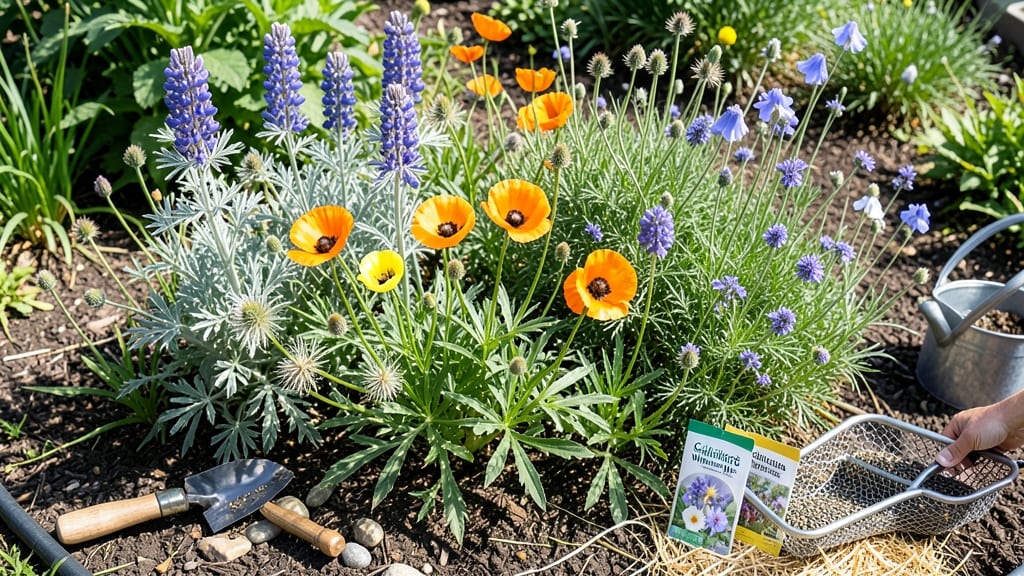
Planting wildflower seeds in California means timing it right for vibrant blooms—whether you’re in foggy coastal zones or sunbaked deserts, the window is narrow.
California’s diverse climate zones—from coastal fog to desert heat—make timing everything when planting wildflower seeds. Get it wrong, and your vibrant meadow could turn into a dusty disappointment.
Fall planting (September–November) is your best bet for winter blooms, while early spring (February–March) sets you up for summer color. But regional microclimates shift those deadlines by weeks.
Below, I break down the exact planting schedule for each zone, plus soil prep tricks and drought-resistant varieties that thrive with minimal water.
California climate zones & their ideal wildflower planting months
California’s microclimates range from coastal fog belts to desert heat islands, creating wildly different conditions for wildflower seeds. The USDA Zones 7-11 here mean your planting window could be fall for coastal areas but early spring for desert regions.
Understanding these zones—and their rainfall patterns—is key to avoiding seed waste and ensuring vibrant blooms.
Most California wildflowers thrive when planted during cooler months, when soil moisture is higher and heat stress is minimal. However, desert zones like Zone 11 demand spring planting to escape summer drought.
Let’s break down the ideal planting months for each climate zone, including temperature thresholds and rainfall triggers to time your sowing perfectly.
Coastal regions (Zones 7-9), like San Francisco or Santa Barbara, benefit from fall rains that moisten soil naturally. Here, September through November is prime time, as daytime temps stay mild (50–70°F) and evening fog reduces evaporation. Inland valleys (Zone 9-10) also favor fall planting, but March sowing works for spring blooms.
Desert zones (Zones 10-11), such as Palm Springs or Death Valley, require early spring planting (February–March) to avoid 100°F+ summers. These areas rely on irrigated seedbeds since natural rainfall is scarce. Even in deserts, late fall (November) can work if you’re prepared to water deeply and mulch heavily.
Mediterranean climates (Zones 8-9), found in Los Angeles or San Diego, straddle both worlds. They thrive with fall planting (September–October) for winter-spring blooms or early spring (February) for summer flowers. The key is aligning with rainfall cycles: coastal areas get winter rains, while inland zones may need supplemental water.
🌼 California Wildflower Planting Guide by Climate Zone 🌼
| Zone | Region Examples | Best Planting Months | Key Conditions | Rainfall Timing |
|---|---|---|---|---|
| 7-8 | Coastal (San Francisco, Monterey) | Sep–Nov | 50–70°F days, foggy nights | Oct–Apr (winter rains) |
| 9 | Inland Valleys (Sacramento, Fresno) | Sep–Nov or Feb–Mar | 60–80°F days, dry summers | Oct–Mar (irrigate if dry) |
| 10 | Southern CA (LA, San Diego) | Sep–Oct or Feb | 70–85°F days, mild winters | Dec–Feb (light rains) |
| 11 | Desert (Palm Springs, Joshua Tree) | Feb–Mar | 80–100°F summers, cool winters | None (irrigate only) |
💧 Pro Tip: Always test soil moisture before planting—dry soil = wasted seeds!
For coastal Zone 7-8, aim to plant 4–6 weeks before first frost (usually late October in San Francisco). Native lupines and coyote brush thrive here, but avoid summer planting—seeds will bake in the sun. Instead, let winter rains do the work by sowing in fall.
In Zone 9 inland valleys, like Fresno, California poppies and goldfields love fall moisture. Plant in September for spring blooms or February for summer color. Irrigate lightly after sowing to trigger germination, then let natural rains take over.
Zone 10’s Mediterranean climate (e.g., Los Angeles) offers flexibility. Fall planting (September–October) aligns with early rains, while February sowing capitalizes on spring showers. Desert Zone 11 is the exception—here, February–March is critical to beat the heat. Use <
How to time your planting for maximum blooms: soil prep & rainfall triggers
Timing your wildflower seeds right in California isn’t just about the calendar—it’s about reading your microclimate’s cues. The key? Plant when soil temperatures dip below 75°F and rainfall (or irrigation) is predictable.
This ensures seeds germinate before summer’s scorching heat arrives. For most regions, late September through November is prime time, but coastal areas can extend into December.
Before scattering seeds, focus on soil preparation. Wildflowers thrive in loose, well-draining soil with minimal competition. Remove weeds, loosen the top 2-3 inches of soil, and mix in compost or native soil amendments to boost fertility.
Avoid heavy tilling—wildflowers prefer undisturbed roots. If your soil is rocky or compacted, consider creating a shallow seed bed or using a lasagna mulch technique.
- 1
- 2
- 3
- 4
California’s rainfall triggers are your secret weapon. Native wildflowers evolved to germinate with winter rains, so align your planting with forecasted precipitation.
Check the NOAA Climate Prediction Center for your region—coastal areas (like San Francisco) may get consistent drizzles, while inland valleys (like Sacramento) need targeted irrigation.
If natural rain fails, set up a drip irrigation system on a timer to deliver ¼-inch of water every 2-3 days until seeds sprout.
Don’t overlook microclimate adjustments. A south-facing slope warms faster than a north-facing one, so plant 2-3 weeks earlier in sunny spots. Shady areas under trees? Delay planting by 1-2 weeks to avoid premature drying.
Always observe your site’s sun exposure patterns—wildflowers need 6+ hours of sunlight daily, but excessive midday heat can stress seedlings.
Once seeds sprout, shift to low-maintenance care. Reduce watering to once every 10-14 days (unless in extreme drought). Let flowers self-seed naturally—this creates a self-sustaining meadow over time.
Avoid fertilizers; wildflowers thrive in low-nutrient soils. If you notice yellowing leaves, it’s likely overwatering or poor drainage, not a nutrient deficiency.
With the right timing and soil prep, your wildflower meadow will burst into color by spring or early summer. The key is patience and observation—watch your microclimate, adjust your schedule, and let nature do the rest.
Soon, you’ll have a low-water, high-impact garden** that attracts pollinators and delights neighbors. 🌼