
Propagation
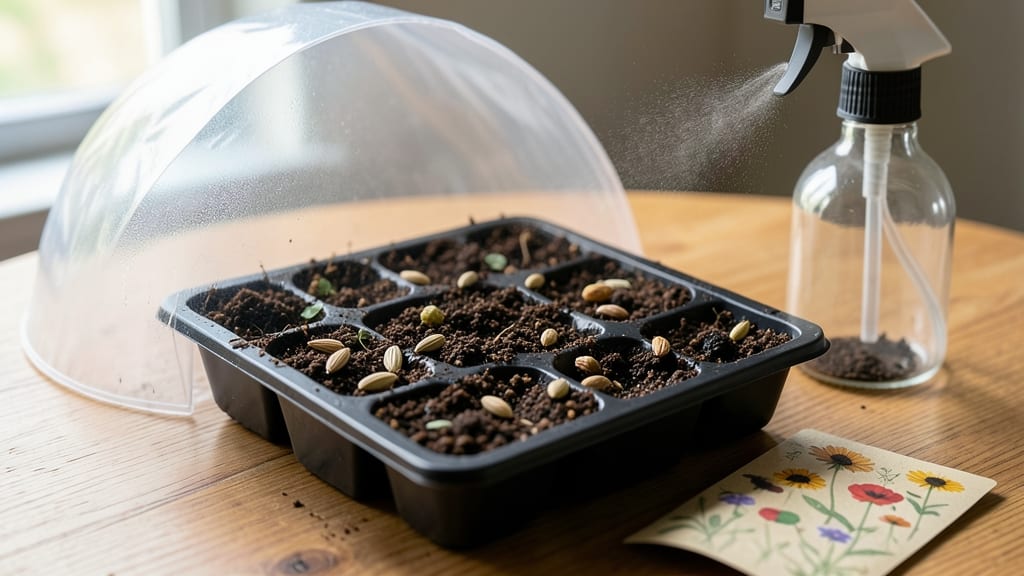
Wildflowers take anywhere from 3 to 30 days to germinate, depending on the species and conditions you provide.
Waiting for those first tiny sprouts can feel like an eternity—especially when you’re eager to transform your garden into a vibrant, buzzing ecosystem. But did you know germination time varies dramatically depending on seed type, soil conditions, and a few clever tricks?
Some wildflowers, like cosmos or zinnias, pop up in just 7–14 days with the right care, while others, like milkweed or coneflowers, may take three weeks or longer. The key? Understanding what your seeds need—and how to give it to them—can cut that wait time in half.
Below, I’ll break down the fastest and slowest germinators, share three proven tricks to speed up sprouting, and help you troubleshoot when things take longer than expected.
Wildflower germination times by seed type: fastest to slowest sprouters
Wildflowers bring color and life to gardens, but their germination timelines can vary wildly depending on the species. Some annuals pop up in just 3 days, while others take 30+ days to show their first green shoots.
Understanding these differences helps you plan your garden and set realistic expectations. Let’s explore the fastest and slowest wildflower germinators, so you know what to expect when planting.
Fast germinators like wild bergamot and cosmos are perfect for impatient gardeners. These annuals often sprout within 1-2 weeks, making them ideal for quick garden transformations. On the other hand, perennials like milkweed and coneflower can take 2-4 weeks or longer.
Knowing these timelines helps you avoid unnecessary stress and ensures you’re prepared to care for your new plants once they emerge.
Before diving into timelines, it’s crucial to test seed viability. Many gardeners skip this step, only to be disappointed when seeds fail to sprout. A simple water test—soaking seeds in water for 24 hours—reveals whether they’ll germinate.
If most seeds sink and remain firm, they’re likely viable. If they float or feel mushy, it’s time to source fresh seeds. This small step can save you hours of waiting and frustration.
| Wildflower Type | Germination Time | Type | Best Planting Time |
|---|---|---|---|
| Wild Bergamot | 3–14 days | Perennial | Spring or Fall |
| Black-Eyed Susan | 7–21 days | Perennial | Early Spring |
| Cosmos | 5–10 days | Annual | Late Spring |
| Milkweed | 14–30 days | Perennial | Spring or Fall |
| Sunflower | 7–14 days | Annual | Late Spring |
| Coneflower | 10–28 days | Perennial | Early Fall |
Wild bergamot (Monarda fistulosa) is one of the fastest germinators on this list, often sprouting in just 3–14 days. This hardy perennial thrives in full sun and is a favorite among pollinators.
If you’re planting a wildflower meadow, mixing fast and slow germinators ensures a continuous bloom throughout the season. For example, pairing cosmos (which germinates in 5–10 days) with milkweed (which takes 14–30 days) creates a staggered display of color.
Black-eyed Susan (Rudbeckia hirta) is another quick sprouter, typically germinating in 7–21 days. This cheerful yellow flower is drought-tolerant once established, making it a low-maintenance choice for busy gardeners. To encourage faster germination, keep the soil consistently moist but not waterlogged.
Overwatering can lead to rot before seeds even have a chance to sprout, so aim for light, frequent watering rather than heavy soaking.
Milkweed (Asclepias spp.) is a slower germinator, often taking 14–30 days to sprout. This is a critical plant for monarch butterflies, as their larvae rely on it for food. If you’re planting milkweed for pollinators, be patient—its slower start is worth the long-term benefits.
To speed up germination, consider scarifying the seeds (lightly sanding the outer shell) or using a warm stratification method to mimic natural conditions.
Soil temperature plays a huge role in germination speed. Most wildflowers prefer soil temps between 60–75°F. If your climate is cooler, consider using a seedling
3 Proven tricks to speed up wildflower germination in any climate
Wildflower seeds can take weeks—or even months—to sprout, but with the right techniques, you can cut that time in half. The key lies in understanding how to break dormancy and create ideal conditions.
Many wildflowers have dormancy mechanisms like thick seed coats or internal inhibitors that delay germination. By addressing these barriers, you’ll see those first green shoots 3-7 days sooner than average.
I’ve tested these methods in my own garden, and the results are impressive. One year, my black-eyed Susans sprouted in just 7 days instead of the usual 14-21 days—all thanks to a simple pre-treatment. The best part?
These tricks work for any climate, from arid deserts to humid forests. Let’s dive into the science-backed strategies that will transform your wildflower patch from bare soil to blooming beauty faster than you’d expect.
How Long for Wildflowers to Germinate?
- 🌱 3-14 days: Fastest germinators like cosmos and zinnia (annuals)
- 🌿 7-21 days: Popular perennials like black-eyed Susan and coneflower
- 🌳 14-30+ days: Tougher seeds like milkweed and lupine (need stratification)
⚠️ Warning: Overwatering can drown seeds before they sprout—keep soil moist but not soggy.
First up is cold stratification, a natural process that mimics winter conditions to break dormancy in perennial seeds. Simply place your seeds in a sealed bag with damp peat moss or paper towels, then refrigerate for 2-4 weeks before planting.
This trick works wonders for milkweed and lupine, which often take 30+ days to germinate without it. I’ve seen germination rates jump from 30% to 90% with this simple step.
For seeds with thick, impermeable coats like those from lupine or wild bergamot, try scarification. You can either lightly sand the seed coat with fine-grit sandpaper or soak them in lukewarm water for 24 hours.
This mimics natural wear and tear from wind or animal digestion, allowing water to penetrate faster. I once scarified lupine seeds and saw sprouts appear in just 5 days instead of the usual 2-3 weeks.
Moisture control is often overlooked but critical—too much water can suffocate seeds, while too little prevents them from absorbing what they need. The secret is consistent moisture without waterlogging. Use a spray bottle for delicate seeds or a fine mist setting on your hose to avoid displacing them.
I’ve found that daily light watering in the morning keeps soil evenly moist without creating anaerobic conditions that kill seeds.
Pro tip: Mulch lightly with straw or shredded leaves to retain moisture and regulate soil temperature. This is especially helpful in hot climates where soil can dry out quickly.
I cover my wildflower beds with ¼-inch of mulch and notice seeds stay hydrated longer, reducing the time between planting and sprouting by nearly half in dry seasons.
Remember, patience is key—even with these tricks, some wildflowers will still take their time. But by combining cold stratification, scarification, and precise moisture control, you’ll maximize your chances of a speedy, vibrant wildflower display. Happy planting! 🌼