
Planting
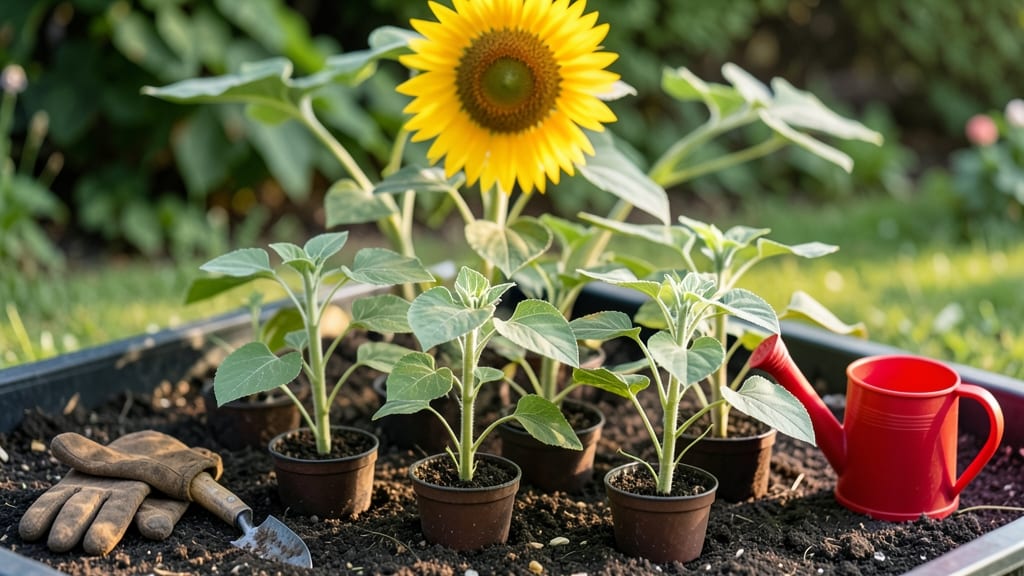
To direct sow sunflowers 🌻, wait until the soil reaches a steady 50°F—warmer than that, and germination speeds up dramatically.
Sunflowers are one of the most rewarding plants to grow from seed—but timing your direct sowing wrong can mean slow germination or stunted growth. Learn the exact soil temperature triggers and regional planting windows to ensure your sunflower seeds sprout fast and thrive all season.
In Zone 6a, that means planting after your last frost date, typically between mid-April and early June. But if you’re in a warmer climate, like Zone 8 or 9, you might even get a second chance in late summer for a fall harvest.
Below, I’ll break down the ideal soil temps, how to test them, and the best months for your region—plus tricks to speed up germination if your soil is still cool.
Ideal soil temperature ranges for direct sowing sunflower seeds
Sunflowers thrive when planted in warm soil, but getting the timing right can be tricky—especially if you're balancing last frost dates with soil temperature thresholds. The key to fast germination lies in understanding your local soil warmth before sticking seeds in the ground.
Too cold, and your seeds may rot or sprout slowly; too hot, and they risk drying out before they even emerge. Let's break down the perfect temperature ranges and how to test your soil to avoid common pitfalls.
Sunflower seeds need consistent soil temperatures between 50-60°F (10-15°C) to begin germinating, but they truly thrive at 70°F+ (21°C+). This range ensures rapid sprouting—typically within 7-14 days—rather than the weeks-long wait you might experience in cooler conditions.
For example, in USDA Zone 6, where I garden, soil rarely hits 70°F until late May, which is why I wait until after Memorial Day to plant. In warmer zones like Zone 9, however, you can start as early as March.
Testing your soil temperature is simpler than you think. Use a soil thermometer (available for under $10) to check depths of 1-2 inches, since that's where seeds will germinate. Take readings in the morning—soil cools overnight and can give misleadingly low temps.
If your soil hovers around 60°F (15°C) for 3-5 days, it's safe to sow. Pro tip: Black plastic mulch can raise soil temps by 5-10°F within hours, giving you a head start in cooler climates.
Regional variations play a huge role in timing. In cool climates (Zones 3-5), where frost lingers into May, I often use season extenders like cold frames or row covers to warm the soil faster.
Meanwhile, in hot climates (Zones 8-10), fall planting (September-October) avoids the scorching summer heat that can dry out seeds before germination. Even within a single zone, microclimates matter—soil near a south-facing fence warms up 2-3 weeks earlier than shaded spots.
If your soil temps are stubbornly below 50°F (10°C), don't despair—there are ways to trick the soil into warming up. For example, I've had success using heat mats (like those for seed starting) to raise soil temps by 10-15°F in just a few days.
Another trick is to plant in raised beds, which warm up 2-3 weeks earlier than in-ground soil. Even a simple dark-colored container filled with compost can create a microclimate warm enough for germination.
In my garden, I've seen seeds sprout in 5 days when planted in a black plastic-lined trench under clear plastic sheeting.
One common mistake I see is planting sunflowers too early just because the air feels warm.
Best months to plant sunflowers by climate Zone: a state-by-state guide
Direct sowing sunflowers at the right time ensures fast germination and vibrant blooms. Since sunflowers are frost-sensitive but thrive in warm soil, timing depends on your USDA hardiness zone and last frost date.
In cold climates, start early, while warm regions benefit from fall planting to avoid summer heat stress.
Sunflowers need soil temperatures above 50°F (10°C) to germinate, but 70°F (21°C)+ yields the fastest sprouts. If you plant too early in chilly zones, seeds may rot or take weeks to emerge.
Use this state-by-zone guide to pinpoint your ideal window—whether you're in Minnesota’s Zone 4 or Florida’s Zone 10.
🌱 When to Direct Sow Sunflowers by Zone
- Zones 3-5 (Cold Climates): March 15–April 30 (after soil warms to 50°F+). States like Minnesota, Wisconsin, New York—plant early to beat short summers.
- Zones 6-8 (Temperate Regions): April 15–May 15 (ideal). Ohio, Pennsylvania, Missouri—wait for last frost (usually mid-April).
- Zones 9-10 (Warm Climates): September 1–October 15 (fall). Texas, Arizona, California—avoid summer heat (seeds dry out).
- Zone 7 (Borderline): April 1 or September 15. Virginia, Tennessee—choose spring for taller varieties or fall for dwarf types.
⚠️ Pro Tip: Use a soil thermometer to confirm temps before planting. Sunflowers hate cold, wet soil!
In northern states (Zones 3-5), like Minnesota or Maine, start seeds indoors in March or sow directly in late April when nights stay above 40°F (4°C).
Use black plastic mulch to warm soil faster if needed. For Zone 4 gardens, aim to plant by May 1 to ensure blooms before first frost in October.
Temperate zones (Zones 6-8)—think Illinois, North Carolina, or Colorado—offer the most flexibility. April 15–May 15 is perfect, but late May still works for short-season varieties.
Check your local frost dates (e.g., Zone 7’s last frost is typically April 15), and plant 2 weeks after to be safe.
Southern gardeners in Zones 9-10 (e.g., Florida, Southern California) should skip spring and plant in early fall (September–October). This avoids 100°F+ soil, which causes seeds to dry out. Dwarf varieties like 'Teddy Bear' thrive in these conditions, while giant types may struggle.
Regardless of zone, direct sow sunflowers 1 inch deep and 6 inches apart in well-drained soil. Thin seedlings to 12–18 inches apart once they’re 6 inches tall. With the right timing, you’ll enjoy bright blooms in 60–90 days—just in time for summer joy! 🌻