
Orchid Care
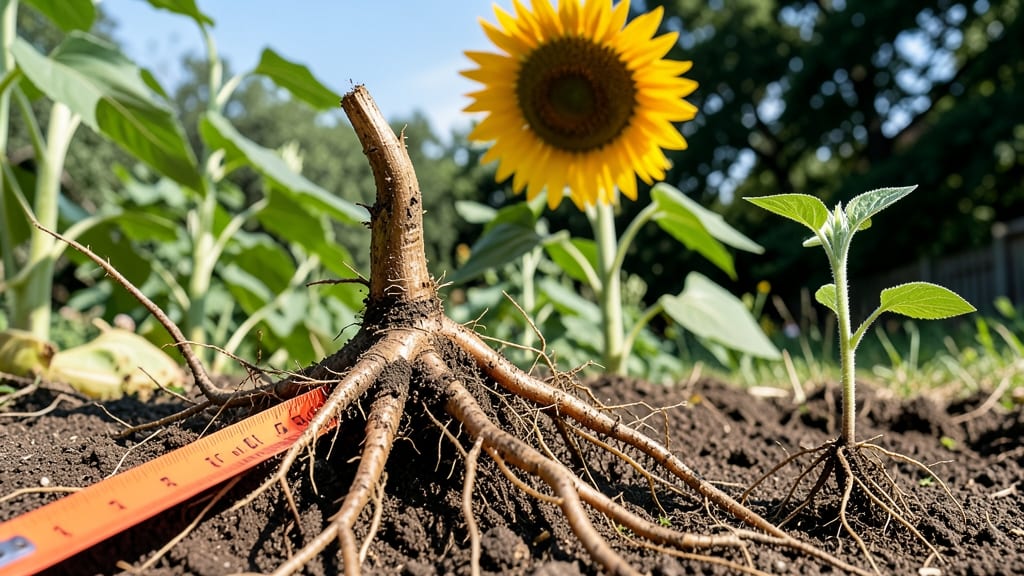
Do sunflowers have deep roots? Absolutely—they grow roots that can reach up to 4 feet into the soil, anchoring their towering stems with surprising strength.
Picture this: a 10-foot sunflower standing firm in a summer breeze, its roots stretching deeper than you might expect. That’s because their root systems aren’t just shallow—they’re designed to tap into moisture and nutrients far below the surface, making them more resilient than many gardeners realize.
For gardeners in USDA Zone 6a, this means planting them in well-drained soil and spacing them properly can prevent competition for water and nutrients. A deeper root system also helps them withstand drought, so once established, they’ll ask for less frequent watering than you’d think.
In this guide, I’ll break down exactly how deep sunflower roots go, what affects their growth, and the practical tips you can use to give your 🌻 the best chance to thrive—from soil prep to spacing and support.
How deep do sunflower roots grow and what affects their depth?
Sunflowers are famous for their towering stems, but their root systems are just as impressive—and just as important for healthy growth. On average, sunflower roots extend 12 to 48 inches deep into the soil, creating a sturdy anchor that supports those massive blooms.
This depth isn’t just for show; it plays a crucial role in water uptake, nutrient absorption, and even drought resistance. Understanding how deep sunflower roots grow helps you plant, water, and care for them effectively, especially in dry climates or compacted soil.
What’s fascinating is how sunflower roots compare to their stem height. While some varieties can reach heights of 10 to 16 feet, their roots often grow to half that depth or more. This balance ensures stability, preventing those heavy flower heads from toppling over in wind or storms.
For example, a 12-foot sunflower might have roots extending 24 to 36 inches deep, creating a strong foundation. The deeper the roots, the more resilient your sunflowers will be to environmental stresses.
| Factor | Impact on Root Depth | Gardener’s Action |
|---|---|---|
| Soil Type | Loose, well-draining soil: 24–48" Compacted/clay: 12–24" |
Amend soil with compost or sand for better drainage. |
| Sunflower Variety | Giant varieties: 36–48" Dwarf varieties: 12–24" |
Choose dwarf varieties for containers or giant types for deep soil. |
| Water Availability | Drought: shallower roots (12–24") Consistent water: deeper roots (36–48") |
Water deeply 2–3 times per week to encourage deep root growth. |
| Nutrient Levels | Low nutrients: shallow, weak roots Balanced NPK: stronger, deeper roots |
Use 5-10-10 fertilizer at planting to boost root development. |
| Competition | Crowded plants: shallower roots Spaced plants: deeper roots |
Space seeds 12–24 inches apart for optimal root growth. |
The depth of sunflower roots is heavily influenced by soil conditions. In loose, well-draining soil, roots can extend 36 to 48 inches deep, accessing moisture and nutrients far below the surface.
However, in compacted or clay-heavy soil, roots may only reach 12 to 24 inches, limiting their ability to stabilize the plant or withstand drought. If your garden has heavy soil, consider amending it with organic matter like compost or perlite to improve aeration and encourage deeper root penetration.
Another critical factor is the sunflower variety you choose. Giant varieties like 'Mammoth' or 'Russian Giant' develop roots that can reach 48 inches or more, supporting their massive 10 to 16-foot stems.
In contrast, dwarf varieties like 'Teddy Bear' or 'Sunspot' have root systems that typically stay between 12 and 24 inches, making them better suited for containers or smaller gardens. If you’re growing sunflowers in containers, opt for dwarf varieties to avoid root-binding issues.
Environmental conditions also play a significant role in root depth. Sunflowers planted in well-watered conditions with consistent moisture develop deeper roots because they don’t need to scavenge for water near the surface.
On the other hand, sunflowers grown in drought-prone areas often develop shallower, more widespread root systems to maximize water absorption. To encourage deeper roots, water your sunflowers deeply 2–3 times per week rather than frequent shallow watering, which promotes surface root growth.
Nutrient availability is another key player in root development. Sunflowers need a balance of nitrogen, phosphorus, and potassium (NPK) to grow strong roots. A low-nutrient environment can stunt root growth, making plants more susceptible to wilting and toppling. At planting time, mix a balanced fertilizer (5-10-10)
5 Signs your sunflowers need deeper roots (and how to help them)
Sunflowers may seem sturdy, but shallow roots can turn them into wobbly giants.
If your plants are struggling despite plenty of water and sunlight, their roots might not be reaching deep enough. Shallow roots limit nutrient absorption, stability, and drought resistance—critical for sunflowers that can grow over 10 feet tall.
Recognizing these signs early can save your plants from stress or even toppling over.
One of the first clues is wilting midday, even when soil feels moist. Sunflowers with deep roots stay hydrated longer, but shallow-rooted plants dry out faster because they can’t access deeper moisture. Another red flag is leaning stems, especially in windy conditions.
Without a strong anchor, they’ll flop or snap at the base. Poor nutrient uptake also shows up as yellowing leaves, even when you’ve fertilized.
- 1. Wilting midday despite moist soil → Roots aren’t accessing deep moisture.
- 2. Leaning or toppling stems → Lack of stability from shallow roots.
- 3. Yellowing lower leaves → Poor nutrient absorption from limited soil contact.
- 4. Slow growth even with full sun → Roots aren’t expanding for water/nutrients.
- 5. Soil erosion around base → Roots can’t hold soil, exposing stems.
To encourage deeper roots, start with loose, well-draining soil. Compacted soil strangles roots, so mix in compost or sand before planting. Watering deeply but infrequently (1-2 gallons per plant, 2-3 times a week) trains roots to grow downward, not just spread outward.
Avoid shallow watering, which only encourages surface roots. For extra support, use stakes or cages to prevent leaning, giving roots time to strengthen.
Another game-changer is mulching around the base. A 2-3 inch layer of straw or wood chips keeps soil moist and cool, reducing stress on shallow roots. Avoid piling mulch against the stem—keep it 2 inches away to prevent rot.
If your sunflowers are already struggling, a balanced fertilizer (like 5-10-10) can give them a nutrient boost while their roots catch up. Just apply it lightly to avoid burning shallow roots.
For stubborn cases, consider transplanting young sunflowers deeper into the soil. Dig a hole, loosen the roots gently, and bury the stem up to half its height—this encourages new roots to form along the buried section.
Pair this with deep watering afterward to help the plant recover. With these adjustments, your sunflowers will develop the strong, deep roots they need to thrive—no more wobbly giants!
Remember, healthy roots mean bigger blooms and better drought resistance. Keep an eye on those signs, and your sunflowers will reward you with towering, stable stems all season long. 🌻