
Plants
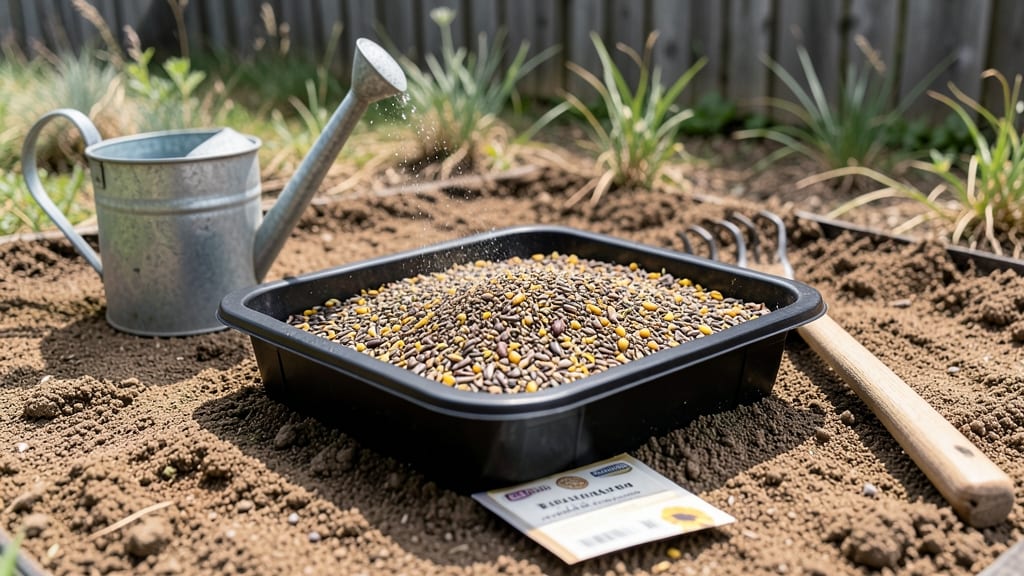
Plant wildflower seeds in Zone 8 during late September to November for fall blooms or February to March for spring color—timing this right ensures vibrant meadows instead of patchy disappointment.
Picture this: you’ve spent hours scattering 🌼 seeds across your garden, only to wake up to frost-kissed disappointment. The difference between a thriving wildflower display and a failed attempt often comes down to those frost dates—and Zone 8’s mild winters add a twist.
Fall planting gives seeds time to establish roots before winter, while spring sowing avoids the heat of summer. But here’s the catch: not all wildflowers play by the same rules. Some need cold stratification, others thrive in warm soil—so knowing your varieties is half the battle.
Below, I’ll walk you through the exact frost-date cheat sheet for Zone 8, soil prep secrets, and how to adjust for your microclimate—so you can skip the guesswork and plant with confidence.
Zone 8 wildflower planting calendar: frost dates and best months explained
In Zone 8, where the last frost typically hits around December 15 and the first frost arrives by January 15, timing your wildflower seeds is critical. Planting too early risks seed rot, while waiting too long can delay blooms.
The sweet spot? Fall (September-November) or early spring (February-March)—both offer ideal conditions for germination and establishment.
Fall planting is my top recommendation for Zone 8 wildflowers because cooler temperatures and consistent moisture create perfect germination conditions. Seeds sown in September or October will sprout before winter dormancy, giving them a head start in spring.
Plus, fall-planted wildflowers often bloom earlier and more prolifically than their spring counterparts.
For annual wildflowers, like cosmos or zinnia, aim for late February to early March planting.
These heat-loving varieties thrive when soil temperatures reach 60°F+, which typically aligns with Zone 8’s early spring. Perennial wildflowers, such as black-eyed Susan or coneflower, can also be sown in fall but benefit from a light mulch layer to protect them through winter.
Here’s the key: Zone 8’s frost-free period spans about 240 days, so you’ve got flexibility. But don’t push it—planting after mid-March risks summer heat stress for young seedlings. Always check your local microclimate (e.g., urban areas may frost earlier than rural spots) to fine-tune your schedule.
If you’re planting native wildflowers, like milkweed or purple coneflower, fall is non-negotiable. These species often require cold stratification—a natural chilling process—to break dormancy. Sowing in October ensures they’ll pop up early next spring, ready to support pollinators.
For drought-resistant varieties, such as lupine or yarrow, timing matters less—but don’t skip soil prep. These tough plants still need moisture to germinate, so water deeply after sowing. Once established, they’ll thrive on Zone 8’s low winter rainfall, making them low-maintenance choices.
Pro tip: Use a seed mat or mini greenhouse to extend your spring planting window by 2–3 weeks. This is especially useful for delicate annuals like calendula or bachelor’s buttons, which struggle with Zone 8’s erratic late-winter rains. Just remove the cover once seedlings sprout to avoid overheating.
Remember, Zone 8’s humidity can turn seed beds into soggy messes. Always plant in well-draining soil and avoid compacted areas. A quick soil test for pH (6.0–7.0) will ensure your wildflowers get the nutrients they need to thrive. Happy planting—your future meadow awaits!
How to adjust planting timing for different wildflower types in Zone 8
Not all wildflowers thrive on the same schedule in Zone 8. Sun-loving varieties like black-eyed Susans and coreopsis need early spring planting, while shade-tolerant natives such as wild columbine prefer cooler fall conditions. The key is matching your wildflower mix to your garden’s microclimate and light conditions.
Drought-resistant species like California poppies or lupines can handle late-summer sowing, but they still need consistent moisture until roots establish. Meanwhile, native wildflowers such as bluebonnets or Indian paintbrush often require cold stratification—planting in fall lets winter’s chill break dormancy naturally.
- Sun-Loving Wildflowers: Plant black-eyed Susans and coneflowers in early spring (Feb–March) for peak summer blooms. These thrive with 6+ hours of sun and need soil temps above 55°F.
- Shade-Tolerant Natives: Opt for wild columbine or foxglove in fall (Sept–Nov). These prefer partial shade and cooler soil temps (50–60°F) to germinate successfully.
- Drought-Resistant Varieties: Sow California poppies or lupines in late summer (Aug–early Sept). Their seeds need consistent moisture for 4–6 weeks post-planting, then minimal water.
- Native Wildflowers: Plant bluebonnets or goldenrod in fall (Oct–Nov) to leverage natural cold stratification. Soil temps below 60°F trigger germination.
- Soil Temperature Cue: Use a soil thermometer—ideal temps for most wildflowers are 55–75°F. Plant when temps stabilize above 55°F for spring or below 65°F for fall.
For Zone 8’s mild winters, fall planting is often the safest bet. Seeds sown in September–October avoid summer heat stress and benefit from winter rains. If you’re planting in spring, aim for February–March to give seedlings time to establish before summer’s peak heat.
Pro tip: Mix annuals (like cosmos) with perennials (like blanket flower) for year-round color. Annuals bloom fast in spring but fade by summer, while perennials fill gaps later. Adjust your mix based on whether you prioritize early blooms or long-season interest.
Always check seed packets for specific stratification needs. Some native wildflowers require 60+ days of cold moisture—planting them in fall ensures they’re ready to sprout when conditions warm. For tougher seeds, lightly scratch the coating with sandpaper before sowing to improve germination rates.
With the right timing, your Zone 8 wildflower meadow can burst into color from spring through fall. Start with small test patches to refine your approach, and don’t forget to water deeply but infrequently once established—most wildflowers hate soggy soil! 🌼