
Plants
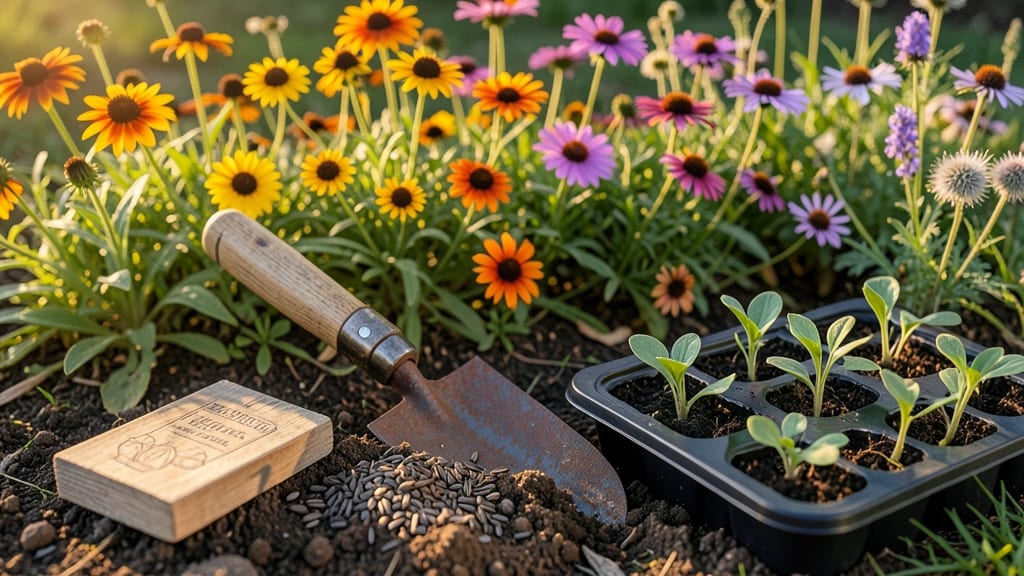
Plant wildflower seeds in Nebraska between early March and mid-April for spring blooms or in September-October to beat winter frost 🌼 — timing makes the difference between a thriving meadow and a missed opportunity.
Picture this: You’ve spent weeks preparing your soil, chosen the perfect native wildflowers, and now you’re ready to scatter those seeds. But if you plant too early, a late frost will wipe them out.
Too late, and summer drought will dry them before they take root. Nebraska’s Zone 5b climate demands precision, and the window is narrower than you might think.
Spring planting gives your wildflowers a head start, but fall is often the best strategy — seeds germinate in cool soil, establish roots before winter, and burst into color the following summer.
I’ll break down the exact frost-free dates, soil temps, and regional tweaks to ensure your wildflowers not only survive but thrive from the first bloom.
Ready to turn your Nebraska landscape into a pollinator paradise? You’ll learn the step-by-step timing, soil prep secrets, and top native species that make planting easier than you’d expect — no guesswork, just guaranteed results.
Best planting windows for Nebraska wildflowers by season (Zone 5b guide)
Nebraska’s Zone 5b climate creates two prime planting windows for wildflowers: early spring and fall. Each season offers unique advantages, but timing is critical to avoid frost damage or summer drought stress.
Spring planting gives seeds a full growing season, while fall planting leverages cool soil temperatures and natural rainfall to establish roots before winter.
For spring planting, aim for March to early April—after the last frost date (typically mid-April in most of Nebraska). This window ensures seeds germinate when soil temperatures reach 50-60°F, ideal for most wildflower species.
Fall planting, however, should occur 6-8 weeks before the first frost (usually September to early October), allowing seeds to germinate and develop 2-3 inches of roots before winter.
Western Nebraska’s drier climate demands extra caution—plant in fall to take advantage of early-season moisture. Eastern regions with higher humidity can extend spring planting slightly later, but avoid late May to prevent heat stress during germination. Always check your local frost dates and soil moisture levels before planting.
Soil temperature is the most critical factor for germination. Use a soil thermometer to confirm temperatures are above 50°F for spring or below 80°F for fall. Cold soil in spring or hot, dry conditions in late summer can delay germination or kill seeds entirely. Nebraska’s clay-heavy soils also benefit from light tilling to improve aeration before seeding.
| Planting Window | Ideal Months | Soil Temp Requirement | Frost Risk | Best For |
|---|---|---|---|---|
| Spring | March–Early April | 50–60°F | Low (after last frost) | Fast summer blooms, full-season growth |
| Fall | September–Early October | Below 80°F | Moderate (6–8 weeks before first frost) | Root establishment, drought resistance |
| Late Summer (Backup) | August (Western NE only) | 60–75°F | High (risk of heat stress) | Emergency planting for dry years |
If you miss the primary windows, western Nebraska can attempt late summer planting in August, but this is risky due to heat and drought. Always prioritize fall or early spring for the best germination rates.
For large meadows, consider stratifying seeds (mimicking winter conditions) to improve success rates in both seasons.
Nebraska’s variable climate means microclimates matter. South-facing slopes warm faster in spring, while low-lying areas stay cooler longer. Adjust planting dates by 1-2 weeks based on your specific location. For example, Lincoln’s Zone 5b may plant 1 week earlier than Scottsbluff’s Zone 5a due to temperature differences.
After planting, lightly mulch with straw to retain moisture and suppress weeds. Avoid heavy mulch, which can smother seeds. Water gently but deeply to encourage deep root growth, especially in spring when evaporation is high. Nebraska’s native wildflowers are drought-tolerant once established, but young seedlings need consistent moisture.
Monitor your meadow for weed competition, especially in spring. Wildflower seeds are tiny and may struggle against crabgrass or cheatgrass. Apply a pre-emergent herbicide in early spring if weeds are a concern, but avoid post-emergent options that can harm young wildflowers.
Organic options like corn gluten meal are safer for native ecosystems.
By following these seasonal guidelines, your Nebraska wildflower meadow will thrive with vibrant blooms from June through September. Whether you choose spring or fall planting, the key is timing soil temperatures and preparing the site properly.
With patience and the right approach, you’ll enjoy a low-maintenance, pollinator-friendly garden for years to come. 🌼
How to prepare Nebraska soil for wildflower seed success (step-by-step)
Nebraska’s clay-heavy and loamy soils can be tricky for wildflower seeds, but with the right prep, you’ll create the perfect foundation for vibrant meadows. The key is balancing drainage, pH levels, and weed suppression to give your seeds the best start.
I’ve tested these steps in my own Zone 5b garden—here’s what works.
Start by clearing the area of existing weeds and debris, as competition will steal nutrients from your wildflowers. Use a broadfork or rototiller to loosen the top 4-6 inches of soil without disturbing deeper layers.
This depth is ideal for Nebraska’s compacted soils, allowing roots to penetrate easily while keeping the seedbed light and airy.
Test your soil’s pH level—wildflowers thrive in slightly acidic to neutral soil (6.0-7.0). If your soil is too alkaline (common in Nebraska), amend it with sulfur or peat moss to lower the pH. For clay soils, mix in compost or sand to improve drainage and aeration.
My go-to amendment is a 50/50 blend of compost and coarse sand.
🌱 Step-by-Step Soil Prep for Nebraska Wildflowers
- 🔹 Clear the area: Remove weeds and debris using a hoe or rake.
- 🔹 Loosen soil: Till or broadfork to 4-6 inches deep for optimal root growth.
- 🔹 Test pH: Aim for 6.0-7.0; amend with sulfur or peat moss if needed.
- 🔹 Improve drainage: Mix in compost and sand for clay-heavy soils.
- 🔹 Suppress weeds: Apply mulch or straw after planting to block light.
- 🔹 Level the bed: Rake soil smooth to ensure even seed contact.
- 🔹 Water lightly: Moisten soil 1 inch deep before seeding.
After amending, level the soil with a rake to create a smooth surface. This ensures even seed-to-soil contact, which is critical for germination success. For clay soils, consider adding a 1-inch layer of mulch (like straw or wood chips) to retain moisture and suppress weeds.
In my experience, mulch also helps regulate soil temperature, which is especially helpful during Nebraska’s hot summers.
Finally, water the prepared soil lightly to a depth of 1 inch before planting. This step ensures the seeds have immediate moisture when you sow them. Avoid overwatering, as Nebraska’s variable rainfall can lead to erosion or fungal issues.
A gentle watering schedule—like early morning irrigation—will keep the soil consistently moist without stressing your wildflowers.
With these steps, your Nebraska soil will be ready to support wildflowers that thrive in drought conditions and poor soils. The key is patience: wildflowers often take 2-3 years to reach full bloom, but the payoff is worth it for pollinators and your garden’s beauty. Happy planting! 🌻