
Flowers
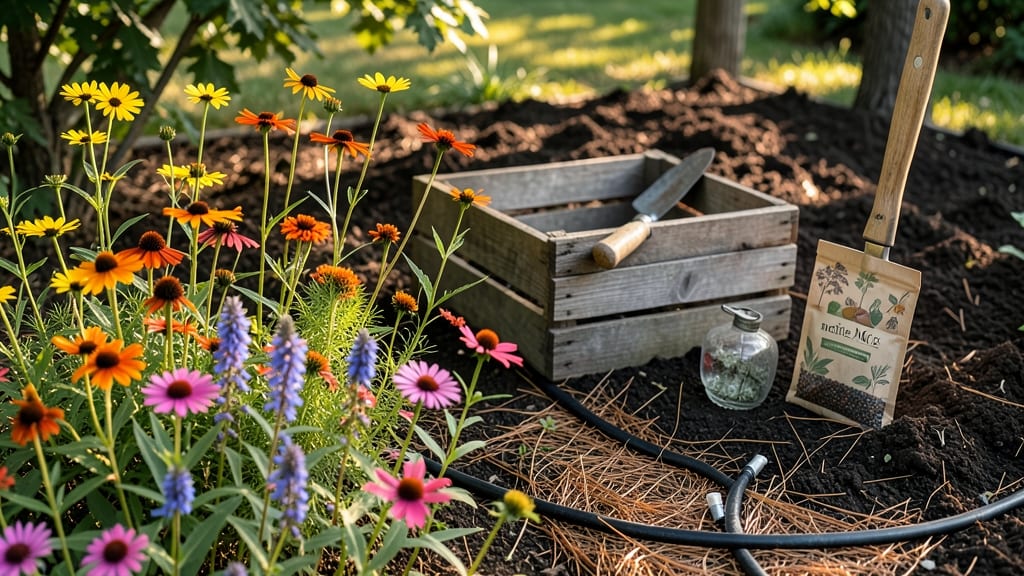
Planting wildflowers in North Carolina at the right time means year-round blooms and thriving pollinator gardens instead of wasted seeds.
North Carolina’s mild winters and extended growing seasons make it a paradise for wildflowers—but planting at the wrong time can mean sparse blooms or lost seeds.
Timing matters most in USDA zones 6a-8b, where frost dates shift from the mountains to the coast. Whether you’re sowing seeds in late winter or fall, knowing the exact window ensures your meadow takes root before weeds or drought get ahead.
Here’s how to align your planting with NC’s climate zones, from early spring to late fall, plus the top 5 wildflowers that bloom reliably when you get it right.
NC wildflower planting calendar: best months by region and climate Zone
North Carolina’s diverse climate zones create perfect conditions for wildflowers, but knowing when to plant wildflowers in NC depends on where you live.
The state spans USDA Zones 6a to 8b, meaning frost dates vary dramatically—from January 15 in coastal Zone 8b to March 15 in mountainous Zone 6a. Timing your planting ensures vibrant blooms year-round while avoiding wasted seeds or weak seedlings.
Native wildflowers like black-eyed Susans, purple coneflowers, and butterfly weed thrive when planted during their optimal frost-free windows. Fall planting often yields better results than spring because cooler temperatures reduce weed competition and help seeds establish before winter.
However, early spring planting (February–March) works well for annuals that need a long growing season to bloom.
Here’s a region-by-region breakdown of the best months to plant wildflowers in NC, including key frost dates and native species recommendations:
| Region/Zone | Last Frost | First Frost | Best Planting Months | Top Native Species |
|---|---|---|---|---|
| Coastal (Zone 8a-8b) | January 15 | October 15 | August–September (fall) or February–March (spring) | Coreopsis, Milkweed, Blanket Flower |
| Piedmont (Zone 7a-7b) | February 15 | November 1 | August–September (fall) or March–April (spring) | Black-Eyed Susan, Coneflower, Goldenrod |
| Mountains (Zone 6a-6b) | March 15 | November 15 | September (fall) or April (spring) | Aster, Phlox, Bee Balm |
For coastal NC, where winters are mild, you can even plant winter-blooming wildflowers like Christmas aster in late fall (October–November) for early spring color. In contrast, mountainous regions with later last frosts should focus on September planting to give seeds time to germinate before winter sets in.
Pro tip: Scatter seeds in late summer (July–August) for a natural, low-maintenance meadow. Rake the soil lightly to ensure good seed-to-soil contact, then water gently to settle seeds. Avoid tilling, as it can bury seeds too deeply. Mulch lightly with straw to retain moisture and suppress weeds.
If you’re planting perennial wildflowers like butterfly weed or coneflower, fall is ideal because cool temperatures encourage deep root growth. For annuals such as cosmos or zinnia, spring planting (after the last frost) ensures they bloom all summer long.
Always check seed packets for specific instructions, as some varieties have unique germination requirements.
Remember, soil preparation is key. Loosen the top 6 inches of soil and mix in compost to improve drainage and fertility. Wildflowers thrive in well-draining soil with minimal fertilizer—over-fertilizing can lead to lush foliage but fewer blooms.
Test your soil’s pH (aim for 6.0–7.0) and adjust with lime or sulfur if needed.
For year-round blooms, stagger your planting by choosing a mix of spring, summer, and fall-blooming species. For example, plant black-eyed Susans in spring for summer color, then add goldenrod in fall for autumn interest. This strategy ensures your wildflower meadow stays vibrant from April through October.
Local resources like the NC State Extension offer soil tests and regional planting guides. Their Master Gardener volunteers can provide tailored advice for your specific microclimate. Don’t hesitate to reach out—they’re a goldmine for wildflower enthusiasts!
With the right timing and a few simple steps, your NC wildflower garden will become a pollinator paradise that blooms beautifully from spring to frost. Happy planting! 🌼
How to extend your wildflower season: fall vs. spring planting strategies
North Carolina’s variable climate means wildflowers thrive with the right planting timing. Fall and spring each offer unique advantages—fall seeds germinate early, while spring planting capitalizes on warmer soil. The key is understanding your USDA zone (6a-8b) and local frost dates to maximize blooms.
For fall planting, aim for August-September in most of NC. Cooler temps help seeds establish roots before winter, while spring planting (February-April) gives seeds a head start with warming soil. Both methods work, but your choice depends on soil conditions, rainfall, and weed competition.
Fall Planting vs. Spring Planting
Fall Planting
- Pros: Seeds germinate early, reduced weed competition, cooler soil prevents seedling stress
- Cons: Risk of early frost if planted too late, requires soil prep before winter
Best for: Perennials, drought-tolerant species, and late-summer bloomers.
Spring Planting
- Pros: Warmer soil speeds germination, longer growing season for annuals, easier soil prep
- Cons: Weed competition increases, seeds may dry out before rain, shorter establishment time
Best for: Annuals, fast-growing species, and early-spring bloomers.
To avoid common mistakes, never plant wildflower seeds after October 15 in NC’s cooler zones (6a-7a) or after November 1 in warmer areas (8a-8b). Late planting risks frost damage before seeds establish. Conversely, planting too early in spring (before March) can lead to seedling rot or weed dominance.
Prep your soil by loosening 6 inches deep and mixing in compost to improve drainage. For fall planting, focus on well-draining areas to prevent winter waterlogging. In spring, prioritize sunny spots to give seedlings a competitive edge against weeds.
For extended blooms, combine both strategies: Plant perennials in fall (e.g., purple coneflower) and annuals in spring (e.g., black-eyed Susan). This ensures year-round color and supports pollinators from early spring to late fall.
Monitor your garden’s moisture levels—fall-planted seeds need consistent water until roots establish, while spring seedlings benefit from deep watering during dry spells. With the right timing, your wildflower meadow will bloom abundantly from spring to frost. 🌼