
Planting
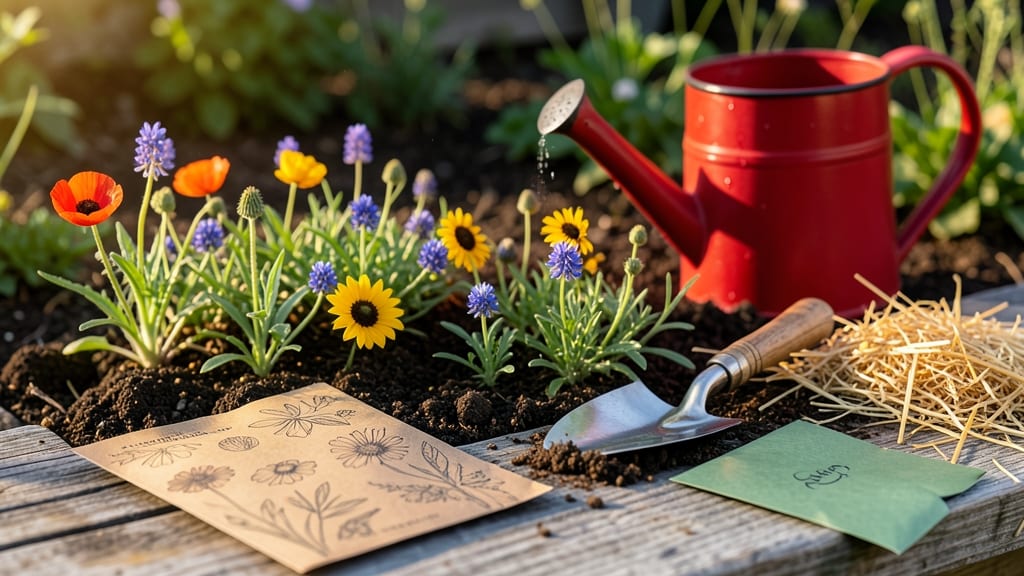
Plant wildflower seeds in Zone 9 between late fall and early spring for the fastest, most reliable germination and vibrant blooms 🌼.
Zone 9’s warm winters and long growing season make it perfect for wildflowers—but planting at the wrong time can mean sparse blooms or failed germination. Timing is everything for fast, vibrant growth and years of colorful displays.
Fall planting, especially in October or November, gives seeds a head start by leveraging cooler temperatures and winter rains. This ensures consistent moisture without the stress of summer heat, which can dry out seeds before they sprout.
In this guide, I’ll break down the best months for planting, how to prepare your soil, and which wildflower varieties thrive in Zone 9’s climate for long-lasting blooms.
Best planting months for wildflower seeds in Zone 9: fall vs. spring timing
Zone 9 gardeners enjoy a unique advantage with wildflower planting—mild winters and long growing seasons create ideal conditions. But fall planting often outperforms spring for fast germination and vibrant blooms. The key lies in understanding temperature ranges and moisture availability that maximize success.
Most wildflower seeds require cool soil temperatures (60-70°F) and consistent moisture to break dormancy. In Zone 9, fall planting (October-November) aligns perfectly with these needs, while spring planting risks summer heat stress before seeds establish roots. Let’s compare both approaches to help you choose the best timing for your garden.
Fall planting in Zone 9 offers cooler temperatures and natural rainfall, creating ideal conditions for wildflower seeds to germinate without competition from weeds. The soil stays moist longer, reducing the need for frequent watering—a huge advantage in drought-prone areas like Southern California or Arizona.
Spring planting can work, but Zone 9’s heat arrives quickly, often stressing young seedlings. If you choose spring, focus on February planting when soil temperatures are still mild (55-65°F). Avoid planting in March or April unless you’re using shade cloth to protect tender sprouts from intense sun.
For perennial wildflowers, fall planting is the gold standard. These plants establish deep roots over winter, giving them a head start for spring blooms. Annual wildflowers can tolerate spring planting, but they may bolt (flower too quickly) if exposed to early summer heat.
Pro tip: If you miss fall planting, try late winter (January) when soil is still cool. Just be prepared to water deeply 2-3 times per week until seeds sprout. A light mulch (straw or compost) helps retain moisture and regulate soil temperature.
Zone 9’s microclimates add another layer—coastal areas (like San Diego) stay milder longer, while inland desert regions (like Phoenix) can experience earlier heat waves. Adjust your timing accordingly: plant 1-2 weeks earlier in coastal zones and 1-2 weeks later in desert areas to align with local rainfall patterns.
Remember, wildflower seed mixes often contain species with different germination requirements. Always check the seed packet for specific instructions—some varieties (like California poppies) thrive in fall, while others (like cosmos) are more forgiving in spring.
For the most colorful, long-lasting displays, prioritize fall planting in Zone 9. The effort pays off with healthier plants, faster blooms, and less maintenance once established. Happy planting—your future wildflower meadow starts with the right timing!
How to maximize germination in Zone 9: soil, moisture, and light requirements
Zone 9’s intense heat and occasional drought can turn wildflower seeds into a gamble if you don’t prepare properly. The key to fast germination lies in three critical factors: soil quality, consistent moisture, and optimal sunlight.
Skipping any of these steps often leads to seeds drying out or rotting before they sprout.
Start with well-draining soil—wildflowers hate soggy roots. Amend heavy clay with compost or coarse sand to improve aeration. A pH between 6.0 and 7.0 works best for most varieties, so test your soil before planting. Zone 9’s alkaline soils often need sulfur or peat moss to lower pH naturally.
🌱 Zone 9 Germination Cheat Sheet
Loosen top 2"
Add compost
pH 6.0-7.0
Daily misting
1-2" deep soak
Morning only
6+ hours daily
Avoid midday heat
Use shade cloth
Moisture is your biggest challenge in Zone 9’s heat. Seeds need consistent dampness to sprout, but overwatering causes rot. Start with a daily light misting until seeds appear (usually 7-14 days), then switch to deep watering every 2-3 days.
Water in the early morning to prevent evaporation and fungal growth.
Light requirements vary by species, but most wildflowers need 6+ hours of sunlight daily. However, Zone 9’s midday heat (100°F+) can scorch young seedlings. Plant in partial shade during summer months or use 30% shade cloth until seedlings are 2-3 inches tall.
Move to full sun gradually as they mature.
Avoid these common pitfalls that kill seeds: planting during summer heatwaves, using heavy mulch that blocks light, or letting soil dry out completely. Instead, use straw mulch (1 inch thick) to retain moisture without smothering seeds. Monitor soil moisture daily—if the top inch feels dry, water immediately.
With the right conditions, your wildflowers will germinate in 7-21 days and establish strong roots before summer’s peak heat. Patience and preparation pay off with vibrant blooms that attract pollinators all season long. 🌻