
Companion Plants
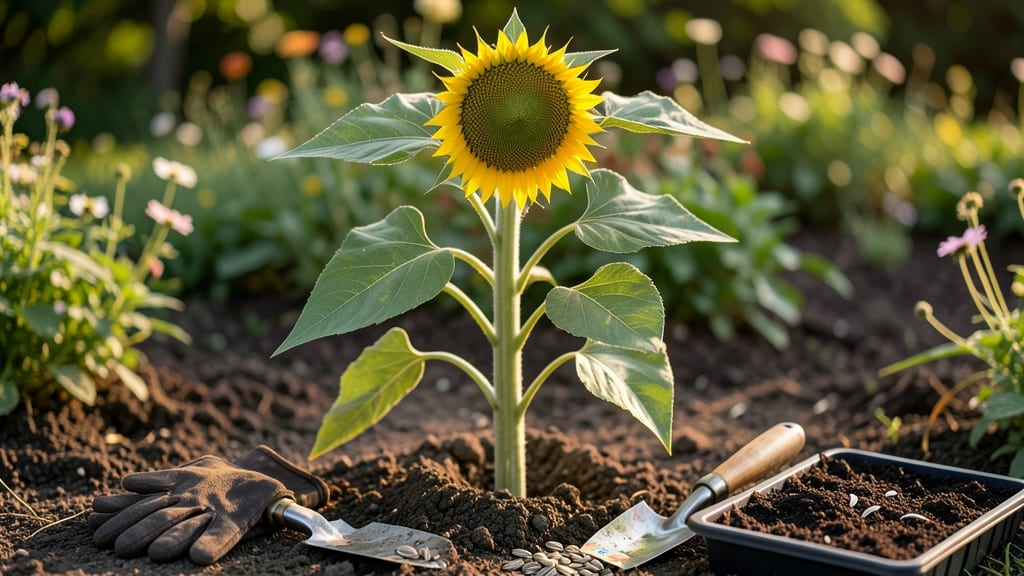
Planting sunflower seeds in Southern California means timing them right to avoid the heat or drought that can stunt their growth.
Sunflowers thrive in Southern California’s warm climate—but planting them at the wrong time means wilting before they bloom. The key is catching that sweet spot between late winter and early spring, when the soil warms just enough to support strong root growth without the brutal summer heat.
In this guide, I’ll break down the exact planting windows for your microclimate—whether you’re in the desert, coastal areas, or inland valleys—plus soil prep and care tips to ensure your sunflowers reach their towering potential.
You’ll learn how to adjust for your specific zone, choose the best varieties for your region, and keep them thriving with minimal water—because even sunflowers need a little help in Southern California’s dry conditions.
Optimal sunflower planting calendar for Southern California’s climate zones
Southern California’s diverse microclimates—from coastal San Diego to desert Palm Springs—create unique challenges and opportunities for growing sunflowers. Unlike northern climates, SoCal’s frost-free year-round zones (9b-11) let you plant twice annually, but timing matters to avoid heat stress or drought.
The key is understanding your local heat thresholds and soil moisture patterns.
Sunflowers thrive in full sun (6+ hours daily) and well-draining soil, but SoCal’s summer heat (often exceeding 100°F) demands strategic planting. Coastal areas like Santa Barbara enjoy milder summers, while inland valleys like Riverside face extreme heat.
Desert regions like Palm Springs require deep watering and shade cloth for young plants.
Below is your month-by-month planting guide, tailored to SoCal’s three main climate zones. Use this to align your sunflower growth with cooler months or late summer rains for best results.
For coastal SoCal, aim to sow seeds in late winter (Feb-Apr) to take advantage of mild spring temperatures and avoid summer heat. This window ensures 60-80 days of growth before blooming, with flowers appearing by May-June.
A second planting in August-September lets you enjoy fall blooms before winter rains.
Inland valleys like Los Angeles and Riverside face hotter summers (95°F+), so focus on early spring (Feb-Mar) or late summer (Sept) plantings. Young sunflowers here need shade cloth until established, and deep watering every 5-7 days prevents root stress. Varieties like ‘Moulin Rouge’ (dwarf) handle heat better than giants.
Desert regions like Palm Springs and Joshua Tree push sunflowers to their limits with 110°F+ summers. Plant early (Jan-Feb) for spring blooms or late (Sept-Oct) to capitalize on fall moisture.
Use drought-tolerant varieties like ‘Teddy Bear’ and mulch heavily to retain soil moisture. Avoid planting in peak summer (June-Aug) unless you have drip irrigation.
Pro tip: Test your soil’s drainage before planting. SoCal’s clay-heavy soils can suffocate roots. Mix in compost or sand to improve aeration. Also, pre-soak seeds overnight to jumpstart germination in dry climates.
Monitor your sunflowers’ heat stress signs: wilting leaves, yellowing edges, or stunted growth mean it’s time to provide afternoon shade or increase watering frequency. With the right timing, your sunflowers will reach 8-16 feet tall and attract pollinators year-round.
🌻
How to adjust planting times for desert vs. coastal SoCal locations
Southern California’s dramatic climate shifts from arid deserts like Palm Springs to coastal fog belts in San Diego, creating wildly different growing conditions for sunflowers. In desert zones, scorching summer heat demands early spring planting, while coastal areas benefit from extended fall planting thanks to milder temperatures.
Let’s break down the timing and care strategies that work for each microclimate.
For desert regions (USDA Zones 9b-11), the key is planting sunflower seeds between February and early March. This gives plants time to establish roots before 100°F+ temperatures arrive in May. Coastal areas, however, can plant as late as September and still enjoy blooms before winter rains.
The difference comes down to soil moisture retention and heat stress prevention—two critical factors I’ll cover next.
In desert areas, mulching with 3-4 inches of straw is non-negotiable—it locks in moisture and protects roots from extreme temperature swings. I’ve seen sunflowers in Palm Springs thrive with drip irrigation systems set to run for 20 minutes twice weekly, ensuring roots stay hydrated without waste.
For coastal gardens, focus on well-draining soil mixes to prevent soggy roots from persistent fog.
Heat stress is the desert’s biggest enemy. If you notice yellowing leaves or drooping stems in summer, provide 30-50% shade cloth during peak afternoon heat (12 PM - 4 PM).
Coastal gardeners should watch for powdery mildew—a common fungal issue when humidity spikes. A preventive spray of neem oil every 2 weeks keeps plants healthy and happy.
Timing isn’t just about when to plant—it’s about harvest windows too. Desert sunflowers planted in February typically bloom by late May to June, while coastal varieties planted in September may flower as late as November.
Plan ahead for seed saving or cut flowers by choosing varieties with longer maturity dates like ‘Russian Giant’ for desert areas.
Pro tip: Use black plastic mulch in desert beds to warm soil faster in early spring, giving sunflowers a head start. Coastal gardeners can extend fall blooms by planting heat-tolerant varieties like ‘Autumn Beauty’—they handle cooler nights better.
With these adjustments, you’ll get towering sunflowers no matter where you live in SoCal! 🌻