
Flowers
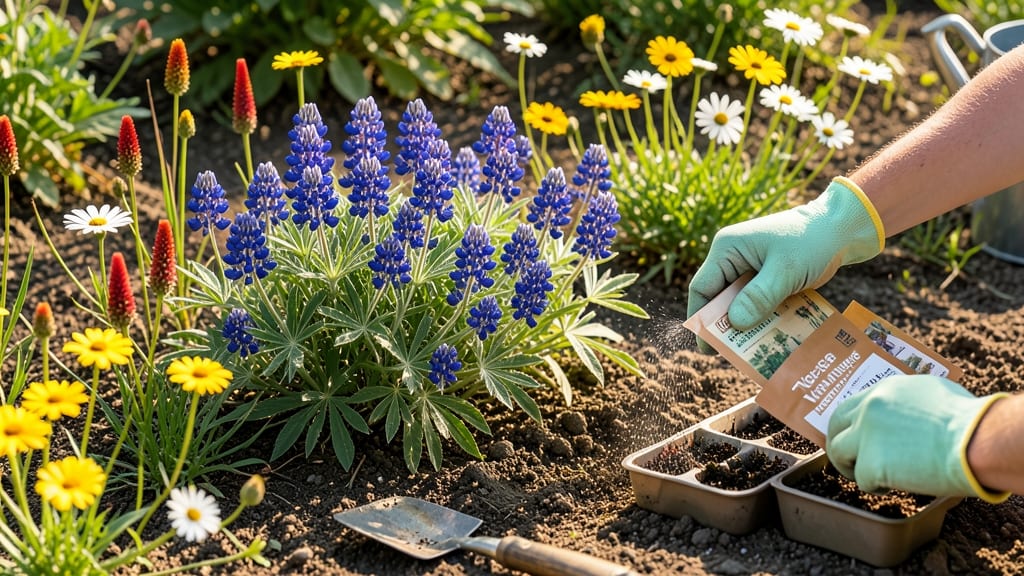
Plant wildflower seeds in Texas during fall (September-November) or early spring (February-April) for the best results 🌼 — timing makes the difference between a thriving meadow and a missed opportunity.
Picture this: you’ve scattered your seeds, and by spring, nothing emerges. That’s the heartbreak of planting too late or too early, when Texas’s unpredictable weather can outsmart even the best intentions.
But get the schedule right, and you’ll enjoy vibrant blooms from March through October, turning your yard into a pollinator paradise with minimal effort.
The key is understanding your region’s frost dates and rainfall patterns. North Texas gardeners should aim for late winter or fall, while South Texas can plant almost year-round thanks to its milder climate.
Whether you’re dreaming of bluebonnets or black-eyed Susans, the right timing ensures your wildflowers take root before the heat arrives.
Below, I’ll break down the exact months for each Texas zone, soil prep tips, and how to avoid common mistakes that kill blooms before they begin. Let’s make your wildflower garden a success story.
Texas wildflower planting calendar: best months by region for year-round color
Texas wildflowers thrive when planted at the right time, but the perfect window depends entirely on your region's climate. From the cool North Texas to the hot Rio Grande Valley, timing ensures your seeds germinate, grow, and bloom without competition from invasive grasses.
I’ve broken down the best months for each Texas region, accounting for rainfall patterns, frost dates, and native species cycles like bluebonnets and black-eyed Susans.
Fall planting is often the gold standard for Texas wildflowers because seeds germinate in cool, moist soil and establish roots before summer heat. However, spring planting works too—just adjust for your specific USDA hardiness zone.
For example, North Texas (Zones 7b-8a) can start seeds in late February, while South Texas (Zones 9a-10a) can plant as early as January.
Here’s how to match your planting schedule to your Texas region for year-round blooms:
| Region | USDA Zones | Best Fall Planting Window | Best Spring Planting Window | Key Species to Plant | Rainfall Tip |
|---|---|---|---|---|---|
| North Texas | 7b-8a | September 15 – October 31 | February 15 – March 31 | Bluebonnets, Indian Paintbrush, Coreopsis | Water lightly after planting; rely on fall rains |
| Central Texas | 8a-8b | September 1 – November 15 | February 1 – April 15 | Mexican Feathergrass, Winecups, Blackfoot Daisy | Use erosion-control blankets if planting on slopes |
| East Texas | 7a-8b | October 1 – November 15 | March 1 – April 15 | Black-eyed Susans, Purple Coneflower, Butterfly Weed | Avoid overwatering; East Texas gets ample rain |
| West Texas | 8a-9a | August 15 – September 30 | January 15 – February 28 | Prickly Poppy, Desert Marigold, Penstemon | Water deeply but infrequently; drought-tolerant species |
For perennial wildflowers like bluebonnets, fall planting is critical—they need cool soil temperatures to germinate. Annuals like black-eyed Susans can handle spring planting but may struggle if sown too late, as they need 60-90 days to mature.
Pro tip: Mix perennials and annuals to extend your blooming season from spring through fall.
In North Texas, where frost can linger until February 15, I recommend planting bluebonnets in September for a spring spectacle. These seeds need 60 days of cool weather to germinate, so don’t wait until October.
Meanwhile, in South Texas, where frost is rare, you can plant Mexican Feathergrass in January and enjoy blooms by March.
If you’re in Central or East Texas, focus on fall planting for winecups and purple coneflowers. These species thrive with moderate rainfall and humidity levels common in these regions.
For West Texas, where summers are brutal, late summer planting (August-September) gives seeds time to establish before 100°F+ temperatures arrive.
One mistake I see often is planting non-native wildflowers that don’t match your region’s climate or soil. For example, bluebonnets won’t thrive in East Texas’s humid climate, while desert marigolds will struggle in North Texas’s
How to prepare your Texas soil and site for wildflower success
Texas wildflowers thrive when given the right conditions, and preparing your soil and site is the foundation of success. Alkaline soils and invasive grasses are common challenges, but with the right steps, you can create an ideal environment for vibrant blooms.
Start by assessing your site's sun exposure—most wildflowers need 6+ hours of sunlight daily, though some tolerate partial shade.
Before planting, clear existing vegetation, especially bermudagrass or johnsongrass, which compete aggressively with wildflowers. Use a broadfork or tiller to loosen the top 6 inches of soil, breaking up compacted layers without disturbing deeper roots. This improves water penetration and root growth for your future wildflowers.
Step-by-Step Soil Prep for Texas Wildflowers
- Test Your Soil: Use a pH test kit to check alkalinity (common in Texas). Aim for a pH of 6.0-7.5. If above 7.5, amend with sulfur or peat moss.
- Remove Debris: Clear rocks, weeds, and old plant matter. This prevents competition and disease. Use a raking tool for efficiency.
- Add Organic Matter: Mix in 2-3 inches of compost or well-rotted manure. This improves soil structure and retains moisture without suffocating seeds.
- Choose Your Method: For slopes, use erosion-control blankets. For flat areas, opt for direct seeding with a seed spreader.
- Level the Ground: Rake the soil smooth to ensure even seed-to-soil contact. Avoid burying seeds deeper than 1/4 inch.
- Mulch Lightly: Apply a thin layer of straw mulch (not wood chips) to protect seeds from erosion and retain moisture.
Texas soils often lack organic matter, so amending with compost is critical. Mix in aged compost or leaf mold to improve water retention and microbial activity. Avoid fresh manure, which can burn seeds.
For sandy soils, add peat moss to help retain moisture, while clay soils benefit from coarse sand or perlite for drainage.
Sun exposure is non-negotiable for most wildflowers. South-facing slopes or open meadows are ideal, but even urban yards can work if you remove shade trees or structures. Bluebonnets and Indian paintbrush love full sun, while black-eyed Susans tolerate partial shade in hotter regions like West Texas.
For sloped areas, consider hydroseeding or erosion-control blankets to keep seeds in place. These methods also help conserve water, a critical factor in Texas's variable rainfall. After planting, water lightly daily for the first 2-3 weeks to encourage germination, then reduce to once weekly once sprouts appear.
Finally, think about companion planting. Pair wildflowers with native grasses like buffalograss or blue grama to stabilize soil and reduce maintenance. Avoid non-native grasses, which can outcompete your wildflowers. With these steps, your Texas wildflower meadow will be on its way to becoming a pollinator paradise!