
Plants
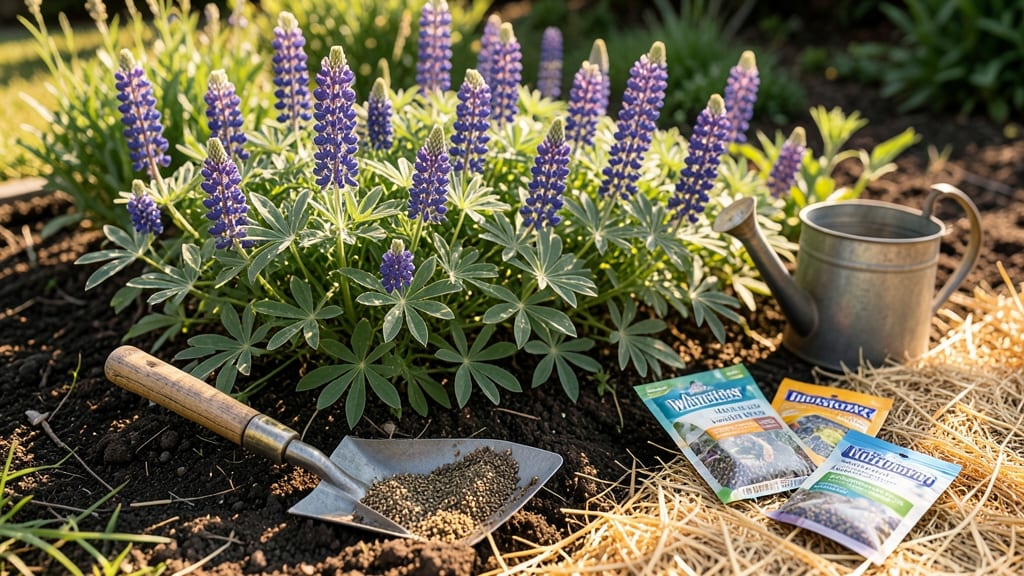
Plant wildflower seeds in Southern California between October and April to catch the ideal winter rains and avoid scorching summer heat.
Southern California’s diverse microclimates—from coastal breezes to desert heat—can make wildflower planting a guessing game. Plant at the wrong time, and your seeds may never bloom, but time it right, and you’ll transform your landscape into a vibrant, pollinator-friendly paradise.
Fall planting is the best bet for most regions, as cooler temperatures and natural rainfall give seeds the moisture they need to germinate without drying out. Coastal areas like San Diego can even start as early as September, while inland desert zones may wait until December.
Below, I’ll break down the exact months for your microclimate, soil prep tips, and how to keep your wildflowers thriving through Southern California’s dry summers.
Southern California wildflower planting calendar by microclimate zone
Southern California’s three distinct microclimates—coastal, inland, and desert—each demand a unique planting strategy for wildflowers. The coastal zone enjoys mild winters and summer fog, while inland valleys experience hotter summers and desert regions face extreme heat and low humidity.
Timing your planting to match these conditions ensures higher germination rates and stunning blooms.
Native wildflowers thrive when planted during cooler months when moisture is consistent. In coastal areas, autumn rains create ideal conditions, while inland and desert zones benefit from winter planting to avoid summer drought stress. Let’s break down the perfect planting schedule for each microclimate to maximize your wildflower success.
🌱 Key Considerations: Soil temperature, rainfall patterns, and native species selection all influence timing. Coastal areas can plant slightly later than inland zones, while desert regions require extra moisture preparation. Understanding these nuances will help you avoid common pitfalls like seed dormancy or premature drying.
For coastal regions, focus on planting between October and January when temperatures hover between 55-65°F and rainfall is most consistent. Native species like California poppies and lupines thrive here with minimal watering needs once established. The cooler ocean breezes reduce evaporation, making this the ideal window for seed germination.
In inland valleys, where summers are hotter, aim to plant from September through December. Soil temperatures here can reach 60-70°F during early fall, creating perfect conditions for seeds to sprout before winter dormancy.
Varieties like goldenrod and blue eyes are excellent choices, as they tolerate the drier conditions of these areas.
Desert microclimates require the most careful timing, with planting limited to October and November when temperatures are cooler and moisture is slightly more available. Desert wildflowers like brigham tea and evening primrose are adapted to these harsh conditions but need frequent watering during establishment. Consider using drip irrigation to maintain consistent soil moisture.
Regardless of your microclimate, always prepare your soil before planting. Loosen the top 2-3 inches of soil and remove weeds to reduce competition. A light compost amendment (10-20%) improves moisture retention without altering soil structure.
In desert areas, mixing in sand enhances drainage, while coastal soils may benefit from a light mulch to retain humidity.
After sowing seeds, lightly cover them with soil (no more than 1/4 inch) and water gently to avoid displacing them. In coastal areas, natural rainfall will often suffice, but inland and desert zones may require supplemental watering every 2-3 days until germination occurs (typically 7-14 days).
Avoid overwatering, as this can lead to fungal diseases or seed rot.
Once seedlings emerge, reduce watering frequency to once weekly and gradually taper off as plants mature. Coastal wildflowers may only need watering during dry spells, while desert varieties will require deep, infrequ
How to prepare your soil and site for wildflower success
Wildflowers thrive when you mimic their natural growing conditions—well-draining soil, full sun exposure, and minimal competition. In Southern California, where soil types range from sandy coastal areas to heavy clay inland, proper preparation is key to maximizing germination rates and minimizing weed pressure.
Start by assessing your site’s sunlight patterns and soil composition, as these factors directly impact which wildflowers will flourish.
For coastal regions, prioritize light, sandy soils that drain quickly to prevent fungal diseases. Inland areas often have clay-heavy soils, which benefit from organic amendments like compost or coarse sand.
Desert-adjacent zones may require extra moisture retention during the initial planting phase, so focus on mulching and light irrigation to keep seeds hydrated until they establish roots.
Before breaking ground, clear the area of existing weeds and debris—this reduces competition for water and nutrients. Use a broadfork or garden hoe to loosen the top 4-6 inches of soil without disturbing deeper layers.
Wildflowers have shallow root systems, so deep tilling can harm their development. Aim for a loose, crumbly texture that resembles a well-aerated forest floor.
🌱 Step-by-Step Soil Prep for Wildflowers
- Test your soil: Use a pH test kit (ideal range: 6.0-7.0). Amend with lime if too acidic or sulfur if too alkaline.
- Remove weeds: Pull or smother weeds with cardboard + mulch 2-4 weeks before planting to avoid herbicide residue.
- Add compost: Mix in 1-2 inches of well-aged compost or leaf mold to improve fertility and moisture retention.
- Level the ground: Rake the area smooth to create an even seedbed—no clumps or depressions where water pools.
- Mulch lightly: Apply a thin layer (¼ inch) of straw to protect seeds from wind and erosion while allowing sunlight to reach them.
- Water deeply: Soak the soil 1-2 days before planting to simulate natural rainfall and encourage seed-to-soil contact.
Sunlight is non-negotiable for wildflowers—most varieties require 6+ hours of direct sun daily. In hot inland valleys, provide afternoon shade during summer to prevent seed scorch. Coastal gardens can handle full sun year-round, while desert edges may need partial shade to reduce moisture loss.
Observe your site’s sun patterns for at least a week before planting to map out the sunnest spots for your wildflower meadow.
To deter weeds without chemicals, consider solarization—lay clear plastic over the soil for 4-6 weeks before planting to kill weed seeds with heat. This method is especially effective in low-rainfall areas where weeds like cheatgrass or medusahead compete aggressively.
After solarization, the soil will be sterile and warm, creating an ideal environment for wildflower seeds to germinate.
Finally, avoid over-fertilizing—wildflowers prefer lean soils and will thrive with just compost or a light application of bone meal (for phosphorus) at planting time. Overdoing it can lead to lush weeds and fewer blooms.
Once established, wildflowers are drought-tolerant, but young seedlings need consistent moisture—water deeply but infrequently (every 7-10 days) to encourage deep root growth.