
Propagation
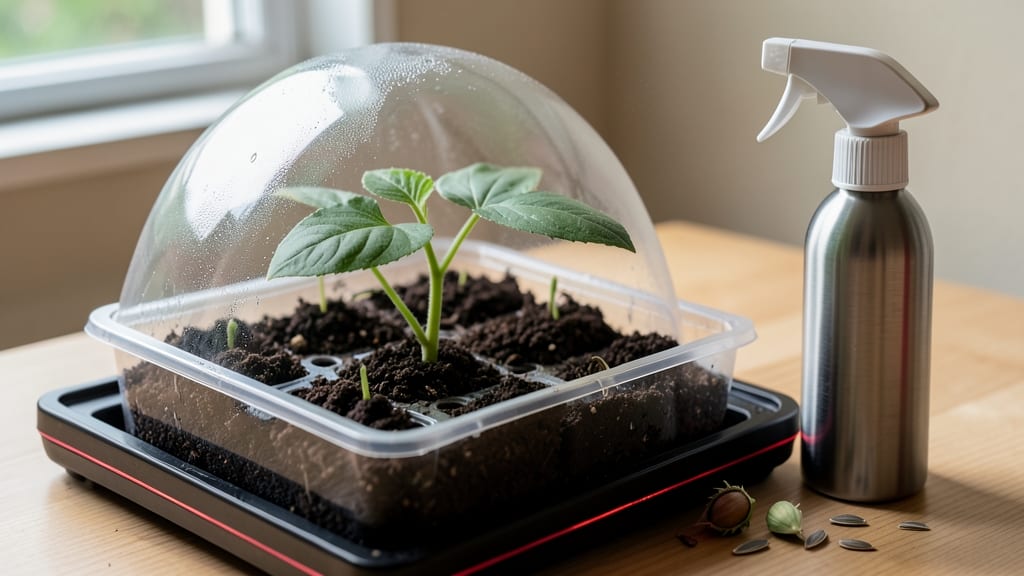
Sunflower seeds have a sunflower seed germination time of just 3–7 days when given the right conditions—but many gardeners still wait weeks, wondering what went wrong.
If you’ve ever stared at a tray of damp soil, willing those stubborn seeds to crack open, you know the frustration. The truth? Most of us overlook the three key factors that turn a slow sprouter into a speedy seedling.
In this guide, I’ll walk you through the exact steps to cut germination time in half—from prepping your seeds to maintaining the perfect soil environment. No guesswork, just proven techniques for faster, stronger starts.
Ready to see those first green shoots in just a week? Let’s get your sunflower seeds sprouting like clockwork.
Understanding sunflower seed germination time: stages and speed factors
Sunflower seeds are one of the fastest-growing plants you can cultivate, but their germination speed depends heavily on understanding the three key stages of sprouting. From the moment you plant them, your seeds undergo imbibition, radicle emergence, and shoot growth—each phase requiring specific conditions to succeed.
Most gardeners see their first green shoots in 3-7 days when conditions are ideal, but delays often happen due to overlooked factors like soil temperature or moisture levels.
If you’ve ever planted sunflower seeds and waited weeks for sprouts, you’re not alone. The average sunflower germination time ranges from 5 to 14 days, but with the right techniques, you can cut that window in half.
The secret lies in replicating the natural conditions sunflowers thrive in—warmth, consistent moisture, and well-draining soil. Let’s break down each stage so you can troubleshoot delays and speed up your sunflowers’ journey from seed to sprout.
🌱 IMPORTANT: The imbibition stage (when seeds absorb water) is the most critical. Without proper hydration, seeds remain dormant or rot. Even a 24-hour delay in planting after soaking can reduce germination success by 30%. Always plant seeds within 12-24 hours of soaking to maximize speed.
| Germination Stage | Key Process | Timeframe | Critical Factors |
|---|---|---|---|
| Imbibition | Seed absorbs water, swells, and activates enzymes. | 6–24 hours | Moisture, oxygen, 60–70°F soil temp |
| Radicle Emergence | Root (radicle) breaks through seed coat. | 24–72 hours | 70–80°F soil, consistent moisture, 1-inch depth |
| Shoot Growth | Sprout pushes through soil; first leaves appear. | 3–7 days total | Light exposure, 65–85°F air temp, well-draining soil |
| Full Germination | Seedling establishes roots and foliage. | 7–14 days | Nutrient-rich soil, full sun, pH 6.0–7.5 |
The imbibition stage is where seeds “wake up.” When you soak sunflower seeds overnight, you’re essentially jumpstarting this phase. However, over-soaking (beyond 12 hours) can cause seeds to absorb too much water, leading to rot before germination.
I recommend soaking seeds in lukewarm water for 8–10 hours, then planting immediately. This mimics natural spring conditions when sunflowers germinate in the wild.
Soil temperature is the #1 factor controlling germination speed. Sunflower seeds germinate best in soil that’s 70–85°F (21–29°C). Below 50°F (10°C), germination can stall for weeks, while above 90°F (32°C), seeds may dry out or fail to sprout. Use a soil thermometer to check—if your soil is too cool, try planting in a warm, sunny microclimate or use black plastic mulch to absorb heat.
Moisture is just as critical as temperature. Sunflower seeds need consistent dampness (not soggy soil) to germinate. A common mistake is overwatering, which suffocates seeds by cutting off oxygen. Instead, aim for moist but not waterlogged soil.
I test moisture by squeezing a handful—if water drips out, it’s too wet. If it crumbles, add a little more water. A spray bottle works best for gentle hydration without disturbing seeds.
Seed viability also plays a huge role. Older seeds (over 2 years) may take 2–3 times longer to germinate or fail entirely. Always check the packaging date—fresh seeds from the current year have a 90%+ germination rate, while older seeds drop to 50–70%.
To test viability, soak 10 seeds overnight, then plant them in a small pot. If fewer than 8 sprout, your batch may be past its prime. Store seeds in a cool, dry place (like a sealed jar in the fridge) to extend their lifespan.
Light exposure after germination is often overlooked. While seeds don’t need light to sprout, seedlings crave sunlight immediately after breaking the soil. If your sunflowers emerge leggy or pale, they’re stretching toward light. Place trays or pots in the sunniest spot in your home or garden—even a south-facing window helps.
Once seedlings have 2–3 true leaves, transplant them outdoors to full sun (6+ hours daily) to prevent stretching.
Finally, planting depth matters. Sunflower seeds should be buried **no deeper than
5 Pro tips to germinate sunflower seeds in 3-7 days (not weeks)
Sunflower seeds are fast growers, but most gardeners still wait 10-14 days for sprouts—when they could appear in just 3-7 days with the right tricks. The secret lies in mimicking their natural environment in the wild, where they germinate quickly after warm rains.
By controlling moisture, warmth, and soil conditions, you can coax those first green shoots to break through the soil in record time. Let’s cut to the chase with my top 5 science-backed methods.
First, understand that sunflower seeds need consistent warmth (70-85°F) and moisture to activate enzymes that break down stored nutrients. Cold soil or dry conditions can stall germination for weeks. The good news? You don’t need a greenhouse—just a few strategic adjustments to your setup.
Whether you’re planting indoors or outdoors, these pro tips will shave days off your germination timeline and give you a head start on those towering 🌻 sunflowers.
- 1 Pre-soak seeds for 4-6 hours in warm water to kickstart hydration. This mimics natural rainfall and softens the seed coat, allowing water to penetrate faster. Drain well before planting to avoid rot.
- 2 Plant seeds 1 inch deep in warm, loose soil (60-70°F). Deeper planting delays sprouting, while shallow planting risks drying out. Use a soil thermometer to monitor—sunflowers hate cold soil!
- 3 Use a heat mat or warm location (like a sunny windowsill or greenhouse). Sunflower seeds germinate 2-3x faster at 80°F than at 60°F. Place a seedling heat mat under trays for consistent warmth.
- 4 Mix in perlite or vermiculite (20% of soil) to improve drainage and aeration. Compacted soil suffocates roots and slows germination. Aim for a light, fluffy mix—sunflowers hate soggy conditions!
- 5 Keep soil moist (not soggy) with a spray bottle or drip irrigation. Overwatering causes rot, while dry soil halts germination. Check moisture daily—sunflowers need consistent dampness like a sponge!
Pro tip: If you’re planting outdoors, wait until the soil reaches at least 60°F—cold soil is the #1 reason for slow germination. For indoor starts, use a clear plastic dome over trays to trap warmth and humidity.
Monitor seeds daily: they’ll sprout fastest when the radicle (root) emerges within 3 days of planting under optimal conditions.
Once your sunflower seeds sprout, thin seedlings to 6 inches apart to avoid competition. Thin in the morning to reduce stress on young plants. Within 7-10 days, you’ll see the first true leaves—proof your fast germination paid off!
With these tricks, you’ll go from seed to seedling in a flash, setting the stage for 10-foot giants by summer.
🌻 Ready to try these tips? Grab a pack of seeds, a heat mat, and a sunny spot—your speedy sunflowers are just days away!