
Plants
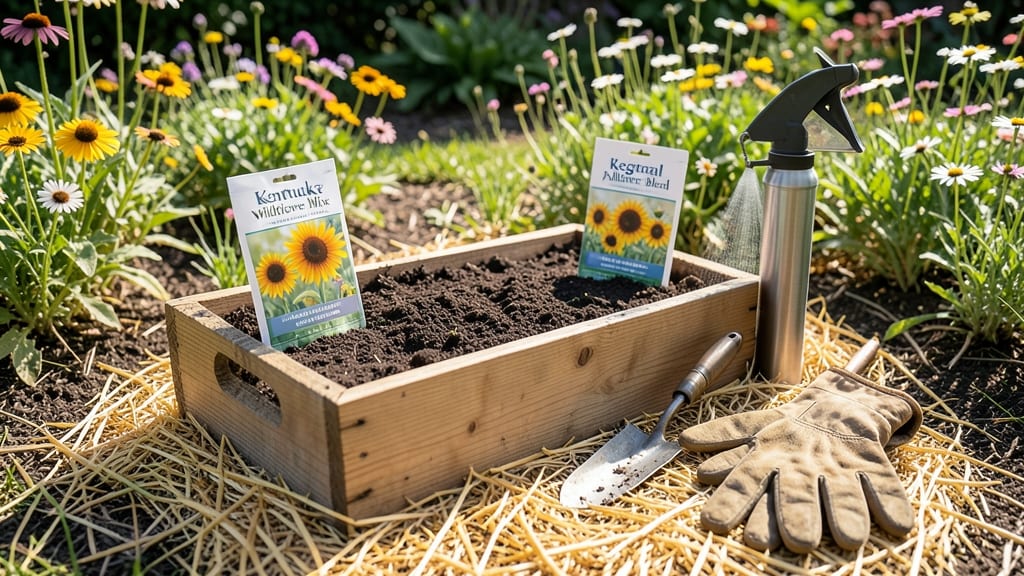
To plant wildflower seeds in Kentucky, aim for late winter through early spring or fall between August and October, when the soil stays cool and moist.
Picture this: you’ve scattered your seeds, dreaming of a riot of color by summer, only to watch them wither under a late frost or dry out in scorching heat. Kentucky’s 6a-7a climate gives you two prime chances to avoid that disappointment—spring and fall—each with its own tricks for success.
Spring planting lets you beat the heat and enjoy blooms by midsummer, while fall sows take advantage of Kentucky’s mild winters and early rains. Both windows work, but the key is preparing the soil right and choosing native varieties like black-eyed Susans or coneflowers that thrive here without fuss.
Below, I’ll break down the exact timing for your region, soil prep secrets, and how to keep your wildflowers 🌼 blooming from spring through fall—no guesswork, just vibrant meadows.
Best planting times for wildflower seeds in Kentucky’s climate zones
Kentucky’s diverse microclimates—from the humid Bluegrass Region to the drier Pennyroyal Plateau—create ideal conditions for wildflowers, but timing is everything. In USDA Zones 6a-7a, wildflower seeds thrive when planted during two key windows: late winter/early spring and fall.
Each offers unique advantages, depending on your location and local frost patterns.
Spring planting (February–April) gives seeds a long growing season before summer heat arrives, while fall planting (August–October) allows seeds to establish roots before winter dormancy. Regional variations matter—northern Kentucky’s cooler springs may delay planting until mid-April, while southern areas can start as early as February.
Always check your last frost date (typically March 15 in most zones).
Here’s how to align your planting with Kentucky’s climate zones and avoid common pitfalls like early frosts or summer droughts.
For spring planting, aim to sow seeds 4–6 weeks before your last frost date. This gives them time to germinate and establish roots before summer’s intense heat.
In northern Kentucky, wait until mid-April to avoid late frosts, which can kill tender seedlings. Use a light mulch (straw or leaves) to retain moisture and regulate soil temperature.
Fall planting is my top recommendation for Kentucky gardeners because it reduces competition from weeds and drought stress. Sow seeds in August or September to allow them to germinate slowly over autumn.
By winter, they’ll have a head start on spring growth. In drier regions like the Pennyroyal Plateau, water seeds weekly until rains return in spring.
Adjust your timing based on local weather patterns. If your area experiences early frosts (like in Zone 6a), delay fall planting until late September. Conversely, if summers are extremely hot, plant in late spring (May) to avoid seed desiccation.
Always monitor your soil moisture—Kentucky’s clay soils can become waterlogged in spring or bone-dry in summer.
Native wildflowers like black-eyed Susans and purple coneflowers thrive when planted in full sun (6+ hours daily), but some shade-tolerant species (e.g., wild columbine) adapt to partial shade.
Test your site’s sunlight exposure before choosing seeds. Mixed seed blends often perform best, as they include species with diverse germination times.
After planting, avoid disturbing the soil—wildflower seeds need contact with sunlight to germinate. Lightly rake or press them into the top ¼ inch of soil. In drought-prone areas, use a drip irrigation system to keep seeds moist until they sprout.
Most wildflowers establish roots within 4–6 weeks, after which they’re drought-resistant.
Pro tip: Stratify seeds (mimic winter conditions) for 2–4 weeks in the fridge if planting in spring. This breaks dormancy and improves germination rates for native Kentucky species. Store seeds in a paper towel with a moisture spray until ready to plant.
With the right timing, your Kentucky wildflower meadow will burst into color from early spring through fall, supporting pollinators and adding year-round interest. Start small—even a 10x10-foot patch makes a difference for bees and butterflies! 🌼
How Kentucky’s soil and weather affect wildflower seed success
Kentucky’s limestone-rich soil and humid subtropical climate create perfect conditions for wildflowers, but they also demand special attention. The alkaline pH (7.0-8.0) from limestone can stunt growth if not amended, while flash flooding risks in spring require careful seedbed prep.
Native species like black-eyed Susans and coneflowers thrive here because they’re adapted to these conditions.
Moisture retention is another critical factor. Kentucky’s seasonal rainfall patterns—drought-prone summers and soggy springs—mean wildflowers need soil that drains well but holds enough moisture to germinate. Organic matter like compost improves this balance, while mulching helps regulate soil temperature and conserve water during dry spells.
Choosing the right native wildflower mix makes all the difference. Species like milkweed (for monarchs) and wild bergamot handle Kentucky’s variable weather better than non-native varieties. These plants have deep roots to access water and tolerate heat waves, which are becoming more common.
⚠️ callout warningKentucky’s limestone bedrock often creates highly alkaline soil (pH 7.5+), which can prevent wildflower seeds from germinating. Test your soil before planting—aim for a slightly acidic to neutral pH (6.0-7.0) for best results.
If your soil is too alkaline, amend with peat moss or pine needles in the planting area.
Preparing your seedbed is half the battle. Start by removing weeds and loosening compacted soil to a depth of 2-3 inches. For large areas, rent a rototiller to break up the limestone fragments that can hinder root growth.
After tilling, rake the surface smooth to create a fine seedbed—this helps seeds make direct contact with soil for faster germination.
Mulching isn’t just for ornamental gardens—it’s essential for Kentucky wildflowers. Apply a 1-inch layer of straw or wood chips after planting to suppress weeds and retain moisture.
This is especially important in dry summers, when wildflowers may struggle without extra protection. Just avoid piling mulch against plant stems to prevent rot.
Finally, adjust your watering strategy based on Kentucky’s weather. Water lightly but frequently in spring to encourage germination, then reduce frequency once seedlings emerge. Mature wildflowers are drought-tolerant, but establishing them requires consistent moisture.
In fall-planted seeds, aim for deep watering before the first frost to help roots develop.