
Blooming
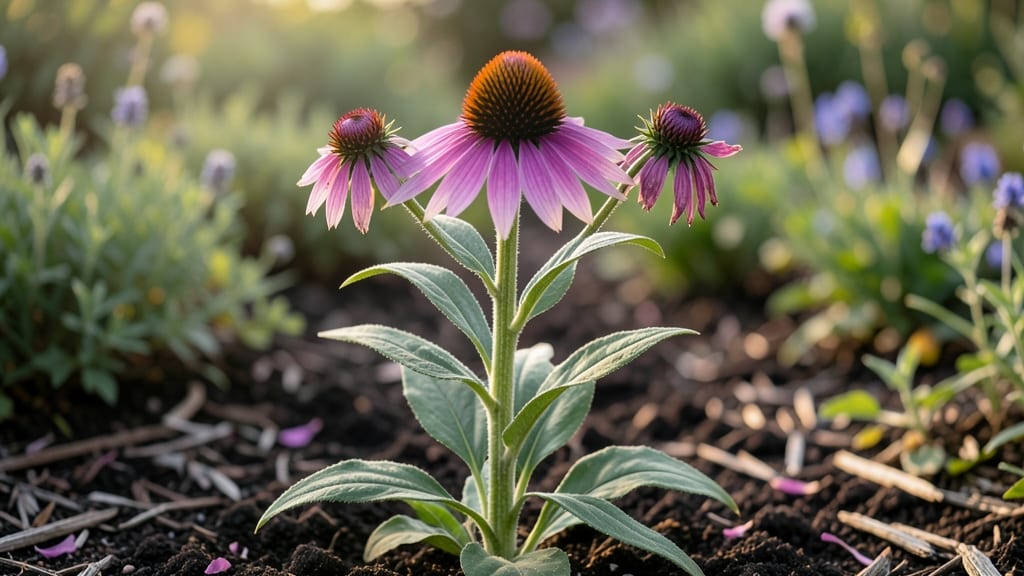
Purple coneflowers bloom from mid-summer through fall, turning your garden into a buzzing haven for pollinators 🌸 — and the timing can shift based on where you live and how you care for them.
If you’ve ever dreamed of a garden bursting with vibrant purple blooms that attract butterflies and bees, purple coneflowers (Echinacea purpurea) are your go-to plant. But getting those showstopping blooms depends on planting them at the right time and giving them the conditions they love.
In most regions, including USDA Zone 6a, you’ll see those iconic daisy-like flowers appear in July, peaking in August and often lasting well into September or even October. The key? Plant them in early spring or fall, in full sun with well-draining soil, and watch them thrive.
Below, I’ll break down exactly when to expect blooms, how to extend their season, and which varieties keep your garden in color the longest. Ready to turn your yard into a pollinator paradise?
Purple coneflower bloom timeline: month-by-month growth stages
Purple coneflowers (Echinacea purpurea) are one of the most reliable bloomers in the garden, offering vibrant purple flowers from mid-summer to fall.
Their bloom timeline varies slightly based on USDA zone, sunlight exposure, and soil conditions, but understanding these stages helps you plan for a stunning seasonal display. Whether you're growing them from seed or transplanting established plants, timing is key to maximizing their pollinator-friendly potential.
The first-year growth of purple coneflowers focuses on root establishment, meaning they may produce only small foliage with minimal blooms—if any. By year two, these hardy perennials typically burst into full bloom, rewarding your patience with abundant flowers that attract butterflies, bees, and hummingbirds.
In mature plants (years 3+), you can expect prolonged blooming and even reblooming under ideal conditions.
🌱 Regional variations play a huge role in bloom timing.
In warmer USDA zones (7-9), purple coneflowers often start blooming as early as late June, while in cooler zones (3-5), you might not see flowers until mid-to-late July. Climate factors like humidity, rainfall, and temperature also influence when buds open—drought stress can delay blooming, while consistent moisture encourages earlier and longer flowering.
Here’s a month-by-month breakdown of what to expect from sprouting to reblooming, tailored for USDA zones 3-9 and optimized for full-sun gardens. Use this as your guide to time plantings, deadhead for reblooms, and create a pollinator paradise that thrives all season long.
Understanding these growth stages helps you plan your garden layout for maximum impact. For example, if you want continuous color, pair early-blooming varieties (like ‘White Swan’) with late-season performers (like ‘Hot Papaya’). Soil prep also matters—amend
How to extend purple coneflower blooms: pro tips for longer seasons
Want your purple coneflowers to bloom all season long? The secret lies in a few simple yet powerful strategies that keep these hardy perennials thriving. By focusing on deadheading, soil health, and watering practices, you can transform your garden into a late-summer-to-fall spectacle.
These methods not only extend bloom duration but also encourage stronger stems and more vibrant colors.
One of the biggest mistakes gardeners make is neglecting regular deadheading. Removing spent blooms redirects the plant’s energy toward producing new flowers instead of seed development. Combine this with nutrient-rich soil and consistent moisture, and you’ll see a dramatic difference in your coneflowers’ performance.
Let’s dive into the top three methods that guarantee longer, more abundant blooms.
Top 3 Methods to Extend Purple Coneflower Blooms
- 🌸 Deadheading: Snip off spent blooms regularly to encourage new flower production. Use clean pruners and remove only the faded heads, leaving the foliage intact.
- 💧 Deep Watering: Water at the base of the plant in the morning to prevent fungal diseases. Aim for 1-2 inches of water per week, especially during dry spells.
- 🌿 Companion Planting: Pair coneflowers with drought-tolerant plants like black-eyed Susans or Russian sage to deter pests and improve soil structure naturally.
Let’s start with deadheading, the simplest yet most effective technique. Purple coneflowers naturally produce seeds, and if left unchecked, the plant will shift its energy toward seed production instead of blooming.
Grab your pruning shears and trim off the faded flower heads just above the first set of healthy leaves. This encourages the plant to produce more buds, extending your bloom season by 4-6 weeks.
Next, focus on soil amendments to ensure your coneflowers have the nutrients they need. These plants thrive in well-draining, slightly alkaline soil with a pH between 6.0 and 7.0. Add a layer of compost in early spring and top it with mulch to retain moisture and suppress weeds.
A balanced 5-10-10 fertilizer applied in early spring can also give your plants a boost without overfeeding.
Don’t overlook the power of companion plants to support your coneflowers. Planting drought-resistant companions like lavender or salvia around your coneflowers creates a microclimate that deters pests and conserves moisture.
These plants also attract beneficial insects, like ladybugs and lacewings, which help control aphids and other garden pests that might stress your coneflowers.
Finally, adjust your watering schedule to match the plant’s needs. While purple coneflowers are drought-tolerant once established, they still require consistent moisture during their first year and throughout the blooming season.
Water deeply in the morning to reduce evaporation and prevent fungal issues. Avoid overhead watering, as wet foliage can lead to powdery mildew, a common problem in humid climates.
By combining these strategies, you’ll transform your garden into a pollinator paradise that stays vibrant well into fall. The key is consistency—deadhead regularly, amend your soil, and choose the right companions—and your purple coneflowers will reward you with longer, more abundant blooms year after year. 🌻