
Plants
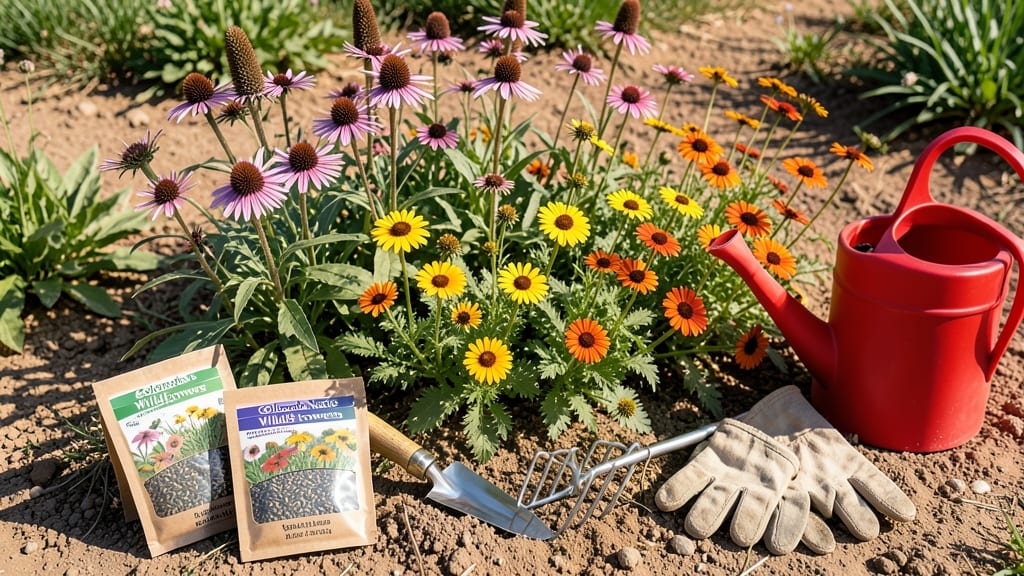
Planting wildflower seeds in Colorado at the right time means the difference between a vibrant meadow and a failed experiment — and the exact window shifts with elevation.
Colorado’s diverse elevations create wildly different planting windows. Get the timing wrong, and your wildflower meadow could vanish before it blooms. But plant at the perfect moment, and you’ll unlock a vibrant, low-maintenance landscape that thrives year after year.
For most of the state, the ideal window is late August to early September for fall planting or March to April for spring. However, mountain regions (7,000+ ft) often need an earlier start, while lowland areas can push into May.
Below, I break down the frost-free windows by elevation, soil prep tips, and how to handle Colorado’s unpredictable weather for the best germination results.
Colorado’s wildflower planting zones by elevation: exact frost-free timing
Colorado’s dramatic elevation shifts—from desert lowlands to alpine peaks—create three distinct wildflower planting zones, each with its own frost-free window.
Timing matters more than you think: plant too early, and a late frost will wipe out seedlings; too late, and summer drought will dry them out before blooms appear. Let’s break down the exact planting windows for each zone, including soil temperature and frost date averages to help you succeed.
For lowland regions (3,000–5,000 ft), like the Front Range foothills, your best bet is late summer to early fall (August–September) or early spring (March–April).
These areas have earlier frost-free dates (average last frost: April 15) and hotter summers, so seeds need to establish roots before 100°F+ temperatures arrive.
Meanwhile, mountain zones (7,000+ ft)—think Summit or Eagle County—have shorter growing seasons and later frost dates (June 1–15), demanding early spring sowing (May) or fall planting (July–August).
Key rule for all zones: Wait until soil temperatures reach 50–60°F for germination. Use a soil thermometer or check local CoCoRaHS reports, as cold, wet soil can delay sprouting by weeks. In foothills (5,000–7,000 ft), aim for May 1–June 15—this transitional zone balances snowmelt moisture with warmer days, creating ideal conditions for native wildflower mixes like blue grama and lupine.
| Elevation Zone | Planting Window | Avg. Last Frost | Ideal Soil Temp (°F) | Best Seed Mixes |
|---|---|---|---|---|
| Lowland (3,000–5,000 ft) | Aug 15–Sept 15 OR March 1–April 15 | April 15 | 50–60°F | Black-eyed Susan, Coreopsis, Purple Coneflower |
| Foothills (5,000–7,000 ft) | May 1–June 15 | May 1 | 45–55°F | Blue Grama, Lupine, Penstemon |
| Mountain (7,000+ ft) | May 15–June 30 OR July 1–Aug 15 | June 1 | 40–50°F | Alpine Aster, Sky Pilot, Mountain Bluet |
In lowland zones, focus on drought-tolerant annuals like black-eyed Susans and coreopsis, which thrive in well-draining soil and full sun. These areas often face summer drought stress, so pre-water the soil before planting and mulch lightly to retain moisture.
For foothills, prioritize native perennials like lupine, which handle cooler nights and shorter growing seasons better than lowland species.
At high elevations, timing is critical: seeds planted in late July may not germinate until August, leaving little time for blooms before first frost (Sept 15–Oct 15).
Opt for alpine wildflowers like sky pilot, which survive short seasons and poor soil. Always test soil moisture—high-altitude soils can stay frozen or waterlogged well into summer.
Pro tip: Use row covers or cold frames in foothills/mountain zones to extend the planting window by 2–3 weeks. These protect seedlings from late frosts (common in May–June) while allowing soil to warm.
For lowland areas, fall planting (August–September) is ideal—seeds germinate in cool weather, establish roots, and overwinter for earlier spring blooms.
One mistake I see often? Planting too deep. Wildflower seeds need light to germinate, so press them into soil no deeper than 1/4 inch. Use a seed rake or lightly drag a board over the area to ensure soil contact
Best wildflower seed mixes for Colorado’s climate zones
Colorado’s dramatic elevation shifts mean your wildflower choices should match the landscape. Lowland gardens below 5,000 feet thrive with drought-tolerant natives like black-eyed Susan and purple coneflower, while mountain regions above 9,000 feet demand hardy alpine species such as columbine and larkspur.
The foothills? That’s where transition mixes with a blend of both shine—think blanket flower and yarrow for vibrant mid-height blooms.
Timing is everything, too. Lowland wildflowers (3,000–5,000 ft) should go in late summer (August) to beat early fall frosts, while high-elevation mixes (7,000+ ft) need a spring start (May) when soil warms.
Even a few weeks off can mean the difference between a lush meadow and a failed patch. Soil prep matters just as much—scratch the surface lightly to break dormancy and ensure good seed-to-soil contact.
Here’s a quick comparison of the best mixes for each zone, including ideal planting windows and key species to include:
For lowland gardens, I recommend fall planting (August–September) to give seeds time to germinate before winter. Spring planting (April–May) works too, but watch for late frosts—cover young seedlings with row fabric if nights dip below 32°F.
In the foothills, a split planting strategy (half in spring, half in fall) extends your blooming season dramatically.
High-altitude wildflowers are the most finicky—wait until soil temperatures hit 45°F+ (use a soil thermometer to check!). These mixes often include self-seeding perennials, so once established, they’ll naturalize beautifully with minimal care. Mulch lightly after planting to retain moisture, but avoid heavy mulch, which can smother alpine species.
Pro tip: Mix in a few annuals like cosmos or zinnia for quick color, especially in lowland areas. They’ll fill gaps while perennials establish, giving you instant gratification and a pollinator magnet from day one.
Just remember—native species are the backbone of any Colorado meadow, so prioritize those in your mix for long-term success.
🌼