
Companion Plants
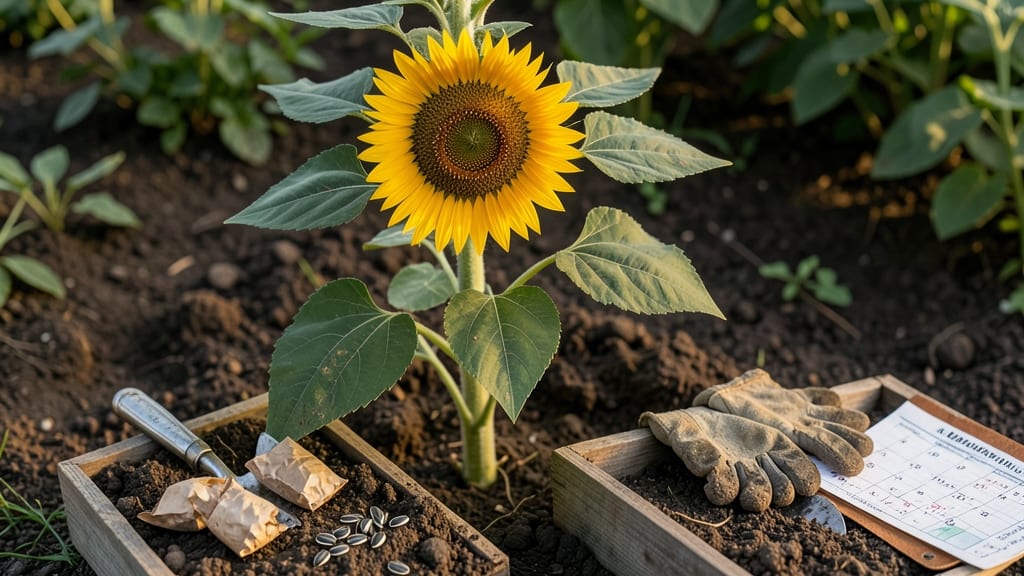
Planting sunflower seeds in Colorado at the right time means the difference between towering 🌻 blooms and stunted growth — and soil temperature is the real secret to success.
You’ve probably heard that sunflowers love Colorado’s high-altitude sun, but timing is everything. Plant too early, and a late frost will wipe them out; too late, and you’ll miss the fast growth window before summer heat sets in.
The key? Waiting until the soil hits 60°F, which varies wildly from the Front Range to the Western Slope.
Most gardeners in USDA Zones 5-7 can start seeds indoors by mid-April, but outdoor planting shouldn’t happen until after the last frost — usually late April to early June. That’s when your 🌻 seeds will germinate in 5-10 days and shoot up toward the sun.
Below, I’ll break down the exact planting windows for Denver, Colorado Springs, and Grand Junction, plus how to test your soil temperature and pick the fastest-growing varieties for your elevation. Ready to grow sunflowers that reach their full potential?
Optimal planting times for sunflowers in Colorado by region
Colorado’s diverse climate means sunflower planting times vary dramatically from the Front Range to the Western Slope and Eastern Plains. High-altitude areas like Denver and Colorado Springs often face late spring frosts, while lower elevations near Grand Junction enjoy earlier growing seasons.
Getting the timing right ensures your sunflowers reach their full 10-foot-plus potential before Colorado’s first frost.
For Front Range gardeners (Denver, Colorado Springs), aim for planting between mid-April and mid-May after the last frost date—typically around April 15. The Western Slope (Grand Junction, Durango) can start slightly earlier, around late March to early April, thanks to warmer microclimates.
Meanwhile, the Eastern Plains (Pueblo, Lamar) align more closely with the Front Range but may extend planting into early June for late-season varieties.
Here’s a quick reference to help you plan:
| Region | USDA Zone | Last Frost Date | Optimal Planting Window | Soil Temp Trigger |
|---|---|---|---|---|
| Front Range (Denver, Colorado Springs) | 5-7 | April 15 | Mid-April to mid-May | 50-60°F |
| Western Slope (Grand Junction, Durango) | 6-8 | March 20-April 5 | Late March to early May | 55-65°F |
| Eastern Plains (Pueblo, Lamar) | 5-6 | April 10 | Early April to early June | 50-60°F |
In Denver and Colorado Springs, where elevations exceed 5,000 feet, soil temperatures can lag behind calendar dates. Use a soil thermometer to confirm the ground has warmed to at least 50°F before planting.
For Grand Junction, where desert conditions dominate, start seeds indoors in late February to give them a head start, or direct-sow by March 20 when nights stay above freezing.
If you’re growing tall varieties like ‘Russian Giant’, prioritize early planting—these need 120 days to mature. For shorter varieties like ‘Teddy Bear’, you can extend planting into late May or early June, especially in Zone 6-7 areas where summers are long.
Just be mindful of Colorado’s first frost, which typically arrives in mid-October in most regions.
Pro tip: Use black plastic mulch to warm the soil faster in high-altitude areas. This can shave 1-2 weeks off your planting window, giving sunflowers a critical growth boost before summer’s peak. Just remove the mulch once plants are established to prevent overheating.
For container gardening in urban areas like Denver, start seeds indoors in late March and transplant outdoors after the last frost. Containers warm up faster than garden beds, so you can often plant 2-3 weeks earlier than in-ground gardeners. Just ensure your pots have drainage holes to prevent waterlogged roots.
One common mistake is planting sunflowers too late in the season. If you miss the mid-June cutoff in most of Colorado, your plants may not reach maturity before frost.
Instead, opt for fast-maturing varieties like ‘Autumn Beauty,’ which can bloom in as few as 50 days—perfect for late plantings or high-altitude gardens.
Remember, sunflowers are drought-tolerant once established, but they need consistent moisture during their first 4-6 weeks of growth. In Colorado’s dry climate, deep watering 2-3 times per week (rather than daily shallow watering) encourages stronger root development and taller stems.
🌻
Soil temperature and sunflower germination: the critical 60°F threshold
Sunflower seeds need warm soil to germinate, and 60°F (15.5°C) is the magic threshold where they’ll sprout reliably. In Colorado’s variable climate, this temperature can arrive weeks apart between urban Denver and mountain valleys, making timing critical for your sunflower blooms.
Understanding how to check soil temperature—and when it’s safe to plant—can mean the difference between vigorous growth and wasted seeds.
Colorado’s microclimates create unique challenges. Urban areas like Denver often hit 60°F soil by mid-April, while high-elevation valleys may not reach this until late May. Even a 5°F difference can delay germination by weeks, so testing is non-negotiable.
Without proper soil warmth, seeds may rot in cold, damp soil or simply refuse to sprout, leaving you staring at empty rows.
⚠️ Warning: Cold Soil Kills Sunflower Seeds
Planting sunflower seeds in soil below 50°F (10°C) risks rot and failure. Colorado’s spring frosts can linger until mid-April in mountains, while urban heat islands may warm sooner. Always test soil temperature 1 inch deep—the depth where seeds will germinate—for 3 consecutive days before planting.
Pro tip: Use a soil thermometer (not air temperature!) and check late afternoon when soil is warmest. If temps fluctuate below 60°F, wait or use black plastic mulch to accelerate warming.
To test soil temperature accurately, use a digital soil thermometer (available for under $10) and insert the probe 1 inch deep—the typical depth for sunflower seeds. Take readings at late afternoon (2–4 PM) when soil is warmest.
If your thermometer shows below 60°F, delay planting. Even if air temperatures feel spring-like, cold soil will stall germination, leaving seeds vulnerable to fungal diseases.
Colorado’s urban heat islands (like Denver and Colorado Springs) often warm up faster than rural areas, but don’t assume your garden is ready. Pavement and buildings trap heat, but soil beneath mulch or grass may still be too cold.
For example, my Denver garden hit 60°F soil by April 20 one year, while a neighbor’s mountain-valley plot 30 miles away didn’t reach it until May 10. Always verify with your own readings!
If you’re eager to start early, use black plastic mulch or row covers to raise soil temperature by 5–10°F. Lay the mulch 1–2 weeks before planting to warm the soil, then remove it after seeds sprout to prevent overheating.
For container gardening, use heat mats under pots to maintain 60°F+ soil until transplanting outdoors. These tricks are especially useful in high-altitude areas like Fort Collins or Boulder.
Once soil hits 60°F consistently, plant sunflower seeds ½ inch deep and keep the soil moist (not soggy) until germination, which typically occurs in 7–14 days. In Colorado’s dry climate, mulch after planting to retain moisture and speed up emergence.
With the right timing, you’ll see bright yellow blooms by late summer—worth the wait! 🌻