
Flowers
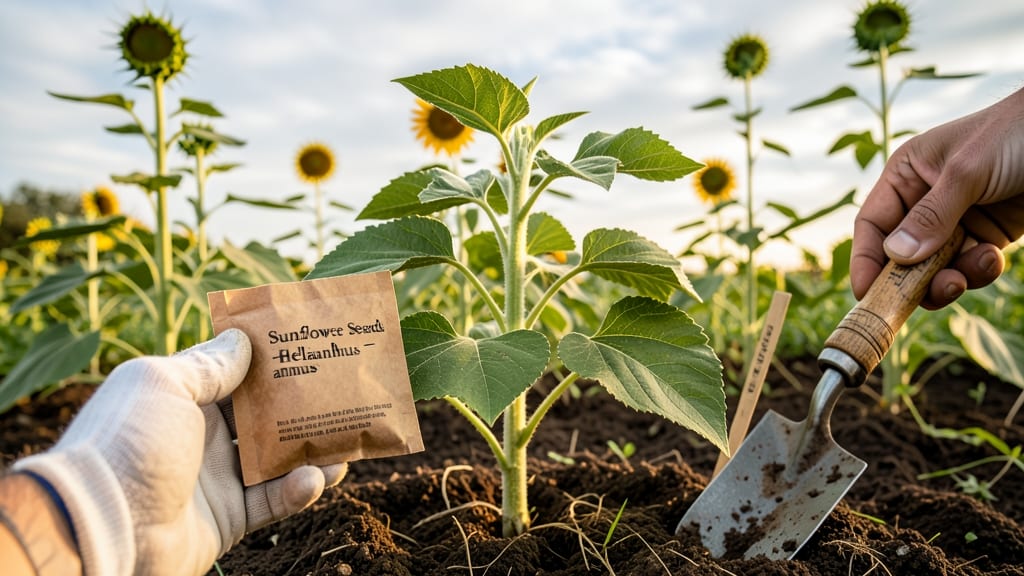
To plant sunflowers in Illinois, aim for late April through mid-June when soil temperatures hit 50°F—that’s the sweet spot for strong, frost-free growth.
Sunflowers bring vibrant color and joy to Illinois gardens—but planting them at the wrong time can mean stunted growth or frost damage. Knowing the exact frost-free window for your zone (5 or 6) is the key to towering, healthy blooms.
In Zone 5, wait until after April 15, while Zone 6 can start slightly earlier. Direct-sowing seeds 1 inch deep ensures they thrive without transplant shock, and choosing fast-maturing varieties extends your harvest window.
Below, I’ll break down the ideal planting timeline, soil prep tips, and how to protect young plants from late frosts—so you can enjoy 14-foot giants by summer’s end.
Illinois frost-free deadlines for sunflower planting by Zone 5-6
Sunflowers thrive in Illinois' warm summers, but timing is everything to avoid frost damage. In Zone 5-6, the average last frost date ranges from mid-April in southern Illinois to late April in the north. Planting too early risks frost-killed seedlings, while waiting too long may shorten your blooming season.
For towering sunflowers with vibrant blooms, aim to plant after soil temperatures reach 50°F (10°C). Northern Illinois gardeners should wait until early May, while southern Illinois can start as early as late April. This timing ensures your sunflowers have enough warm days to mature before fall frosts arrive.
Soil temperature is your best indicator—use a soil thermometer to confirm readiness. Cold soil slows germination, so don't rush planting. In my experience, waiting an extra week for ideal conditions leads to healthier, more robust plants.
| Zone | Last Frost Date | Planting Window | Soil Temp Threshold | Days to Maturity |
|---|---|---|---|---|
| Zone 5 (North) | Mid-April | Late April - Early May | 50°F (10°C) | 50-120 days |
| Zone 6 (South) | Late April | Early-Mid May | 50°F (10°C) | 50-120 days |
| Both Zones | Backup Date | June 1 (late planting) | 55°F (13°C) | 60-90 days |
For Zone 5 gardeners in northern Illinois, focus on early-maturing varieties like 'Teddy Bear' (50 days) or 'Moulin Rouge' (60 days). These varieties give you a better chance to establish strong plants before the first fall frost, typically around October 15.
In my garden, I've seen 'Teddy Bear' sunflowers reach maturity even when planted in early May.
Southern Illinois gardeners in Zone 6 have more flexibility. You can start planting as early as late April, giving you time for multiple plantings. For example, a late April planting might yield blooms by July, while a mid-May planting could produce fall flowers.
This dual-planting strategy maximizes your sunflower display season.
If you miss the ideal window, don't panic! Sunflowers are surprisingly resilient. You can still plant up to June 1 in both zones, though you'll need to choose faster-maturing varieties.
For example, 'Autumn Beauty' (55 days) or 'ProCut' (50 days) are excellent choices for late plantings. Just be prepared for shorter stems and potentially smaller blooms.
Always monitor your local frost forecasts—unpredictable late frosts can still occur. I keep a weather app handy and use row covers for young seedlings if frost is predicted. This simple protection can save your sunflowers from unexpected cold snaps, especially in May when temperatures can fluctuate dramatically.
For direct sowing, which is ideal for sunflowers, plant seeds 1 inch deep and 12-24 inches apart, depending on the variety. Larger sunflowers need more space, while dwarf varieties can be planted closer together.
In my experience, proper spacing prevents overcrowding and ensures each plant gets enough sunlight and nutrients.
Remember that sunflowers are annuals, so they complete their life cycle in one season. This means you'll need to replant each year, but the effort is rewarded with stunning vertical interest and wildlife benefits. The edible seeds also attract birds, adding another layer of garden enjoyment.
For gardeners in Zone 5-6, mark your calendar for May 15 as a general guideline. By this date, most of Illinois has passed the frost risk period, and soil temperatures are consistently warm enough for sunflower germination. Happy planting—your garden will thank you with those cheerful golden faces!
How to extend your sunflower growing season in Illinois
Illinois gardeners know that late spring frosts can devastate sunflower seedlings before they even bloom. But with the right strategies, you can extend your growing season and enjoy those iconic golden blooms even in Zone 5-6. The secret lies in combining cold-hardy varieties, protective techniques, and smart planting timing.
Sunflowers are surprisingly resilient once established, but young plants need protection from unpredictable late frosts that can hit Illinois as late as May 15th.
By using row covers or transplanting slightly later, you can give your sunflowers the head start they need to reach their full 6-14 foot potential before winter arrives.
⚠️ callout warning
Illinois' average last frost date varies by 5-10 days between northern and southern zones. Northern Illinois (Zone 5) typically sees its last frost around May 10th, while southern Illinois (Zone 6) averages May 15th. Planting too early risks frost damage to tender seedlings. Use soil thermometers to confirm 50°F+ soil temps before sowing.
For gardeners in Zone 5, I recommend starting with early-maturing varieties like 'Autumn Beauty' (56 days) or 'Moulin Rouge' (60 days). These dwarf sunflowers (3-5 feet tall) can often survive light frosts better than their giant cousins.
Plant them 3-4 weeks after your average last frost date for maximum protection while still allowing enough time to mature.
One of my favorite techniques is using floating row covers (also called hoop houses) over newly planted seeds. These lightweight fabrics create a 2-4°F warmer microclimate and can protect seedlings until they're 4-6 inches tall.
Simply drape the cover over hoops or stakes and secure the edges with soil or bricks. Remove covers when daytime temps reach 70°F+ to prevent overheating.
If you're dealing with extremely late frosts, consider transplanting your sunflowers. Start seeds indoors 4-6 weeks before your last frost date in biodegradable pots. Once soil warms to 55°F+, transplant seedlings 1 inch deeper than their original planting depth to encourage strong root development.
This method gives you a 2-3 week head start over direct-sown seeds.
For maximum success, combine these strategies: plant cold-tolerant varieties, use row covers for the first 3-4 weeks, and consider transplanting if your spring is particularly cool. With these techniques, you'll enjoy taller, healthier sunflowers that bloom reliably every season—even in Illinois' unpredictable climate! 🌻