
Flowers
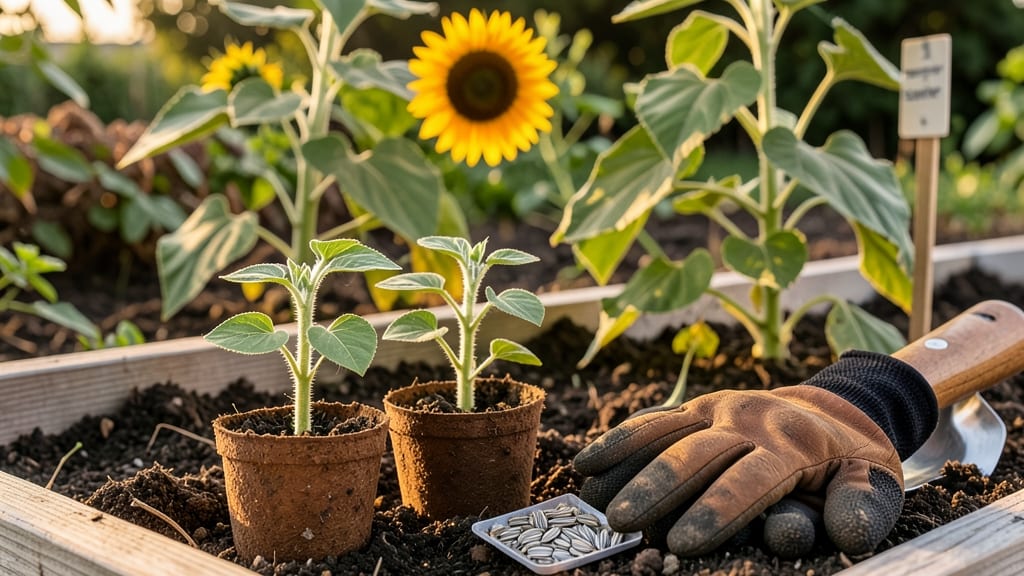
You can plant sunflowers in Florida from February through April and again in August through September—avoiding the brutal summer heat that slows their growth.
Picture this: your 🌻 sunflowers shooting up 10 feet in just 60 days, their golden faces tracking the sun like tiny solar panels. But miss the window, and you’ll get leggy, weak stems or flowers that bolt before they bloom.
Florida’s long frost-free season means you’ve got two chances—but timing is everything.
In USDA Zones 8-11, frost is rare, but the real enemy is heat. Plant too early, and you risk weak stems; too late, and the summer sun will stress them before they mature.
The key? Start seeds indoors in January for an early spring crop or direct-sow in August for a fall display.
Below, I’ll break down the exact months for each zone, soil prep tricks to speed up germination, and how to beat Florida’s heat stress—so your sunflowers grow faster and taller than ever.
Best planting months for sunflowers in Florida by USDA Zone (Zone 8-11 guide)
Florida’s USDA Zones 8-11 offer a 300+ day growing season, but sunflowers thrive best when planted at the right time. Unlike northern states, Florida’s frost-free windows and high humidity create unique challenges—like avoiding peak summer heat stress (June-July) while catching early spring blooms before temperatures spike.
Here’s the zone-by-zone breakdown to maximize your sunflower’s height, bloom size, and seed production.
Sunflowers are warm-season annuals, meaning they need soil temperatures above 55°F (13°C) to germinate. In Florida’s northern zones (8a-8b), this typically aligns with mid-February to early April, while southern zones (9a-11) can start as early as January.
The key is planting 6-8 weeks before your average last frost date—though frost is rare in zones 10-11, cool snaps in Zone 8 can still damage seedlings.
For direct sowing (most common method), aim for February-March in Zones 8-9 and January-February in Zones 10-11.
Transplants can go in slightly later (March-April in Zone 8), but sunflowers hate root disturbance, so direct sowing is often better. Fall planting is also possible in Zones 9-11 (August-September) for autumn blooms, but avoid planting after mid-September in Zone 8—mature plants won’t survive winter.
| USDA Zone | Best Planting Window | Soil Temp Threshold | Frost Risk | Notes |
|---|---|---|---|---|
| Zone 8a-8b | February 15 - April 15 | 55°F+ (13°C) | Low risk (Jan 15 avg last frost) | Use black plastic mulch to warm soil early. |
| Zone 9a-9b | January 15 - March 30 | 55°F+ (13°C) | Very low risk (Dec 1 avg last frost) | Fall planting possible Aug-Sept for autumn blooms. |
| Zone 10a-10b | January 1 - March 15 | 50°F+ (10°C) for early starts | None (year-round growing) | Plant dwarf varieties in containers for patios. |
| Zone 11 | Year-round (best Jan-Feb, Aug-Sept) | 45°F+ (7°C) for germination | None | Succession plant every 2 weeks for continuous blooms. |
In Zone 8, where light frosts can still occur, prioritize early spring planting (February) and use row covers if nighttime temps dip below 40°F (4°C).
For Zones 9-11, you can push the envelope with January starts, but monitor soil moisture—Florida’s warm winters can dry out seeds before germination. A soil thermometer ($10 at garden centers) is your best friend here; aim for consistent 60°F+ (16°C) soil temps for fastest sprouting.
If you’re growing tall varieties (10+ ft), plant in early February to avoid summer heat stress, which causes bolting (premature flowering) or leaf scorch. For dwarf varieties (3-5 ft), you’ve got more flexibility—plant in March or even April for late-summer blooms.
Just remember: sunflowers need 6-8 hours of full sun daily, and Florida’s humidity means circulation is critical to prevent fungal diseases like powdery mildew.
Pro tip: Pre-soak seeds for 4-6 hours before planting to speed up germination in Florida’s sandy soils. Plant seeds 1 inch deep and 12-24 inches apart (closer for dwarf varieties, wider for giants).
In Zone 11, you can even try winter planting (November-December) for spring blooms, but use shade cloth (30%) to protect seedlings from intense winter sun.
For transplants, start seeds indoors 4-6 weeks before your target planting date (use grow lights—Florida’s short winter days won’t cut it). Harden off seedlings for 7-10 days before transplanting, and water deeply after planting to encourage root growth.
In Zones 8-9, transplant in March-April; in Zones 10-11, you can go as late as May for
How to extend your sunflower growing season in Florida (tips for year-round blooms)
Florida’s warm winters and long growing season make it possible to grow sunflowers almost year-round, but timing and conditions are key. Most gardeners focus on spring planting, but with the right techniques, you can enjoy year-round blooms—even in cooler months.
The trick? Succession planting, soil warming, and protecting young plants from unexpected chills.
Sunflowers thrive in warm soil (at least 55°F) and full sun, but Florida’s Zone 8-9 areas can experience light frosts in winter. By using shade cloth, row covers, and succession planting, you can push your sunflower season well beyond the traditional spring window.
Let’s break down how to make it work.
- Winter Planting (Zone 8-9): Start seeds indoors in late January or sow directly in February after soil warms. Use black plastic mulch to raise soil temperature.
- Succession Planting: Sow new seeds every 2-3 weeks from February to April for continuous blooms. Repeat in August-September for fall harvests.
- Shade Cloth Protection: Use 30-50% shade cloth in summer to prevent bolting from heat stress. Remove when temps drop below 90°F.
- Soil Warming Tricks: Place clear plastic domes over seedlings to trap heat. Avoid overwatering, which cools soil.
- Fall/Winter Care: In Zone 8-9, use row covers to protect young plants from light frosts (28-32°F). Choose cold-hardy varieties like 'Autumn Beauty'.
One of the biggest mistakes gardeners make is planting too early in winter without protection. Young sunflower seedlings are extremely frost-sensitive, so always monitor local frost dates.
In North Florida (Zone 8), wait until mid-February to sow outdoors, while South Florida (Zone 10-11) can plant year-round with minimal adjustments.
For fall planting, aim for August-September sowings to ensure blooms before winter chills. Use dwarf varieties (like 'Teddy Bear') for containers, as they mature faster and tolerate cooler temps better. Always water deeply in the morning to reduce fungal risks from evening moisture.
If you’re pushing the limits in Zone 8-9 winters, consider container growing. Move pots indoors or under a greenhouse during cold snaps. Sunflowers are photoperiod-sensitive, so ensure they still receive 6+ hours of light daily, even in shorter winter days.
With these strategies, you can enjoy sunflowers year-round in Florida—from winter blooms in Zone 8-9 to extended summer harvests in warmer zones. The key is adapting to microclimates and protecting young plants from temperature swings. Happy growing! 🌻