
Propagation
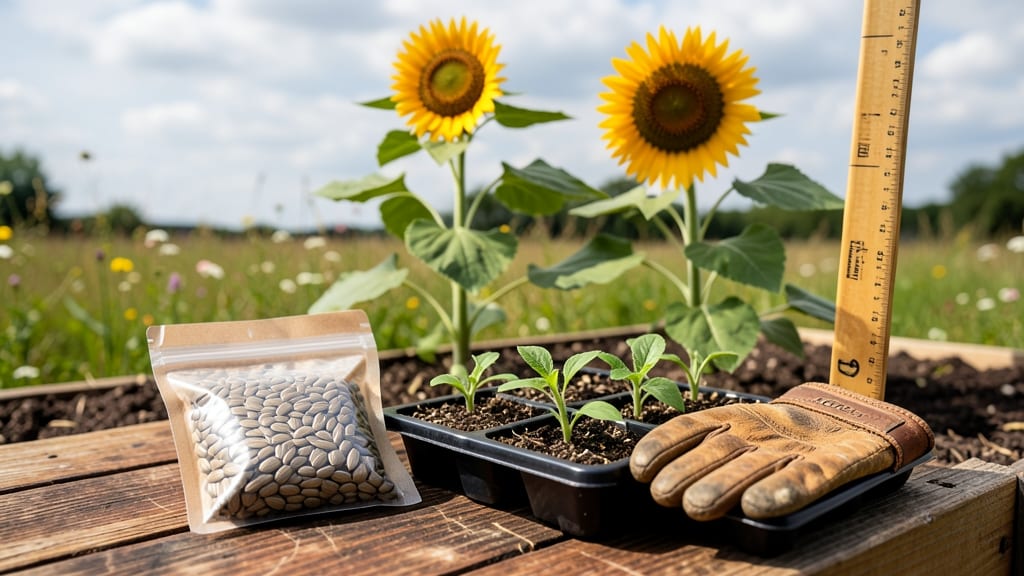
Growing sunflowers from seed takes anywhere from 50 to 120 days depending on the variety, but the journey from tiny seed to towering bloom is where the real magic happens.
Picture this: you tuck a seed into warm soil in April, and by late summer, you’re reaching up to shake seeds from a 10-foot giant 🌻. That’s the power of patience—and the right conditions.
Some varieties bloom in as little as 6 weeks, while others take nearly four months, but every stage is worth watching.
What you’ll discover here is how to shave days off that timeline with simple tricks—like planting depth, sunlight hacks, and watering schedules—that make all the difference between a fast harvest and a slow one.
Whether you’re growing dwarf varieties for containers or giants for shade, I’ll break down the exact milestones to track, the fastest performers, and how to troubleshoot when things stall.


Sunflower growth timeline: from seed to full bloom by variety
Sunflowers are nature’s speedy artists—transforming from tiny seeds into towering blooms in just a few months. But the timeline varies wildly between dwarf varieties (like 'Teddy Bear') and giant sunflowers (like 'Russian Giant').
Understanding these stages helps you plan for quick harvests or patiently wait for those 12-foot giants. Let’s break down the journey from seed to sun by variety.
Most sunflowers follow a predictable growth pattern: germination (3–10 days), seedling stage (2–3 weeks), stem elongation (4–6 weeks), bud formation (6–8 weeks), and full bloom (8–12 weeks). However, dwarf varieties can bloom in as little as 30–40 days, while giant sunflowers may take 90–120 days to reach maturity.
The key difference? Genetics and growing conditions.
Pro Tip: Plant dwarf varieties in late summer for fall blooms or giant sunflowers in early spring to maximize sunlight exposure. Both thrive in well-draining soil with 6–8 hours of sun daily, but giants need extra nutrients to support their height. Let’s dive into the specifics with this handy growth timeline.
| Growth Stage | Dwarf Varieties (30–40 days) | Standard Varieties (60–80 days) | Giant Varieties (90–120 days) |
|---|---|---|---|
| Germination | 3–7 days | 3–10 days | 5–14 days |
| True Leaves | 10–14 days | 14–21 days | 21–28 days |
| Stem Elongation | 14–21 days | 21–35 days | 35–45 days |
| Bud Formation | 21–28 days | 35–45 days | 45–60 days |
| Full Bloom | 30–40 days | 60–80 days | 90–120 days |
| Seed Maturity | 40–50 days | 80–100 days | 120–150 days |
During the germination phase, keep soil consistently moist but not soggy. Dwarf varieties like 'Little Becka' sprout faster because their genetic makeup prioritizes quick flowering over height. In contrast, giant sunflowers like 'Mammoth' allocate energy to stem growth first, delaying blooms.
Watch for the first true leaves (not the initial seed leaves) to appear—this marks the start of rapid growth.
By the time sunflowers reach the bud formation stage, you’ll notice a swollen bud at the top of the stem. This is when they need extra phosphorus (found in bone meal) to support flower development.
For dwarf varieties, this happens around 3 weeks, while giants take closer to 6 weeks. Prune lower branches on tall varieties to direct energy upward and prevent lodging.
Once buds open into full bloom, enjoy the sunflower’s vibrant display! Dwarf varieties like 'Teddy Bear' bloom in just 30–40 days, making them perfect for container gardens or quick color.
Giant varieties, however, reward patience with 12-foot-tall stalks and massive blooms. After flowering, the seed head will dry out—wait until it turns brown and seeds rattle before harvesting.
Did you know? Sunflowers follow the sun (heliotropism) as seedlings, turning their faces east to west daily. This habit stops once the flower opens, but it’s a fascinating trait to observe in your garden.
For faster blooms, plant in well-warmed soil (60°F+) and use black plastic mulch to retain heat.
If you’re growing sunflowers for birdseed or cut flowers, timing is critical. Dwarf varieties
5 Speed-growing sunflower varieties for quick harvests
If you're craving instant gratification in your garden, these fastest-growing sunflower varieties deliver stunning blooms in record time. From dwarf varieties perfect for containers to tall beauties that thrive in borders, each brings its own speed and charm to your landscape.
The key? Choosing the right variety for your climate zone and planting timeline—some bloom in as little as 30 days!
My top picks combine rapid growth with low-maintenance care, making them ideal for beginners or impatient gardeners. Whether you're growing for cut flowers, bird feed, or sheer joy, these varieties prove you don’t need to wait months for sunflower magic.
Let’s dive into the fastest performers and their secrets to success.
Moulin Rouge takes the crown as the fastest sunflower variety, blooming in just 30-40 days—perfect for late-summer plantings or extending your harvest season. Its compact 2-3 foot stature makes it ideal for containers, balconies, or small gardens, while its vibrant red and yellow bicolor blooms add a pop of color. Plant these in May or June for a quick summer show.
Teddy Bear sunflowers are a kid-friendly favorite with their fuzzy, edible petals and 40-50 day bloom time. Reaching 3-4 feet tall, they’re great for border plantings or pollinator gardens. Their golden-yellow blooms attract bees and butterflies, making them a functional and beautiful addition. For fastest results, start seeds indoors 2-3 weeks before your last frost date.
Autumn Beauty delivers long-lasting color with its 50-60 day bloom time and bicolor petals that transition from yellow to rusty red. Standing 4-5 feet tall, it’s perfect for backyard borders or cut flower arrangements. This variety thrives in cooler climates and often reblooms, giving you extended harvests. Plant in early spring or late summer for two-season enjoyment.
For maximum speed and reliability, Moulin Rouge F1 is a hybrid version of the classic, blooming in 35-45 days with identical dwarf stature. Its consistent performance makes it my top recommendation for urban gardeners or renters who need fast, low-maintenance blooms.
Pair it with borage or marigolds to boost growth and deter pests naturally.
If you’re in a dry climate, Sunspot sunflowers are your best bet with their 45-55 day bloom time and drought tolerance. These 3-4 foot beauties thrive with minimal water once established, making them ideal for xeriscaping or low-water gardens.
Their bright yellow blooms also make them a bird magnet for fall foraging. Plant in early spring for a summer-long display.
Remember: Soil temperature and sunlight exposure are critical for speed. Keep seeds in warm soil (60°F+) and ensure 6+ hours of direct sun daily to shave days off your harvest time.
With these varieties, you’ll be cutting sunflowers in under two months—just in time for summer parties or fall arrangements! 🌻