
Blooming
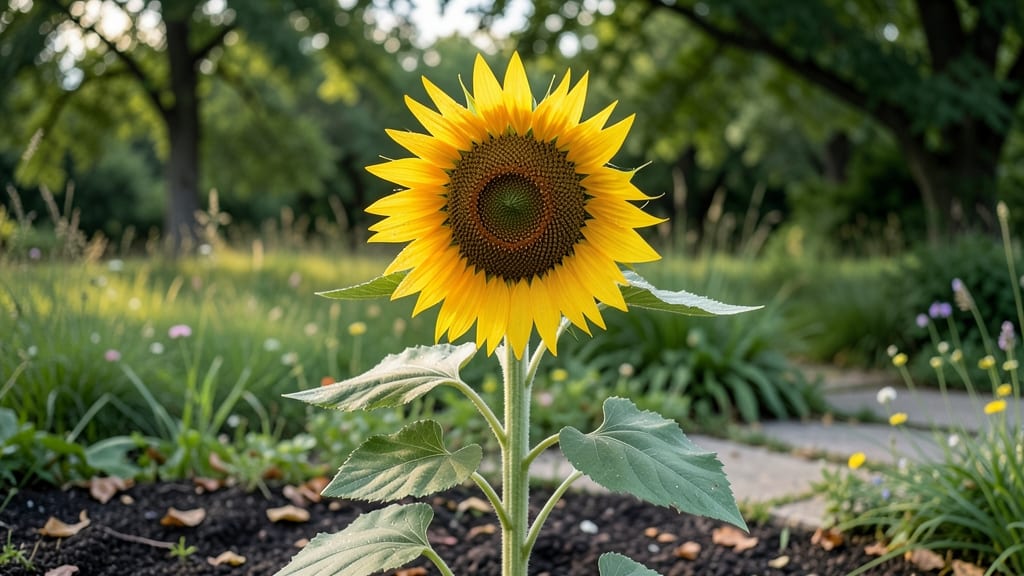
The sunflower blooming season brings bold, cheerful color to gardens from late spring through early fall, depending on where you live.
There’s nothing like the moment a sunflower 🌻 unfurls its golden petals—except the letdown when you realize you missed the peak display because you planted too late. The good news? With the right timing, you can enjoy sunflowers in full bloom for months, not weeks.
In USDA Zone 6a (like much of the Midwest and Northeast), expect blooms from July through September, but warmer climates stretch that window even longer. Some varieties even rebloom if you give them the right care.
Below, I’ll break down the exact months for your zone, plus pro tips to extend that vibrant season—so you’re never left staring at a garden full of green stems waiting for color.
Sunflower blooming season by USDA Zone: exact months for peak color
Sunflowers are nature’s cheerful canvases, but their blooming season depends heavily on your USDA zone. In colder zones like Zone 3, you’ll see buds emerge in late June, while in Zone 11, they may bloom year-round with staggered plantings.
The key factors? Daylight hours and soil warmth—sunflowers need at least 8 hours of sun daily to trigger flowering.
Early varieties like 'Teddy Bear' (dwarf) bloom in 60-70 days, while giants like 'Russian Giant' take 100-120 days.
This means your planting window shifts dramatically: start seeds indoors in Zone 4 by May 1, but in Zone 9, you can direct-sow until August 15 for fall blooms. Let’s break down the exact months for peak color by zone.
In Zones 3-4, sunflowers rely on long daylight hours (15+ hours) to trigger blooming, which is why they wait until late June. The good news? These zones benefit from early-maturing varieties like 'Autumn Beauty', which blooms in 60-70 days.
If you’re in Zone 5-6, you’ll notice buds appear earlier (early July) because soil warms faster, but frost risk in October cuts short the season.
For Zones 7-8, the blooming season stretches from mid-June to November, giving you time for succession planting. Try planting 'Moulin Rouge' (red-petaled) in June and 'Russian Giant' in August for a two-flush harvest.
The key is maintaining consistent soil moisture—drought stress delays blooming by 2-3 weeks. In Zone 9-10, sunflowers can bloom year-round if you plant every 2-3 weeks.
Temperature plays a critical role: sunflowers need daytime temps above 70°F to open fully. In Zone 11, where temps
How to extend your sunflower blooming season naturally (without chemicals)
Sunflowers are nature’s cheerful giants, but their blooming season can feel disappointingly short. The good news? With a few natural strategies, you can stretch those golden faces from summer into early fall—or even coax a second flush of blooms in the right conditions.
The key lies in smart planting, soil health, and consistent care that mimics their wild ancestors’ resilience.
I’ve tested these methods in my own garden, where sunflowers now bloom for 6-8 weeks instead of the usual 3-4. The secret isn’t complicated—it’s about working with nature’s rhythms, not against them.
Whether you’re in USDA Zone 5 or Zone 9, these techniques adapt to your climate while keeping your garden chemical-free and vibrant.
🌱 5 Proven Ways to Extend Sunflower Blooms
- Succession Planting: Sow seeds every 2-3 weeks from spring to early summer for staggered blooms. Use early-maturing varieties (50-60 days) like 'Teddy Bear' or 'Moulin Rouge'.
- Deep Watering: Water at soil level (not leaves) every 2-3 days during dry spells. Aim for 1 inch per week—deep soaks prevent stress that shortens blooming.
- Soil Enrichment: Mix compost or aged manure into planting holes for phosphorus-rich soil, which fuels flower production. Avoid fresh manure—it burns roots!
- Deadheading: Snip spent blooms below the next bud to redirect energy. This triggers secondary stems and prolongs the show by 3-4 weeks.
- Variety Selection: Choose dwarf or semi-dwarf types (3-6 ft) for easier care and later-season varieties like 'Autumn Beauty' or 'Russian Giant' for fall color.
Let’s start with the easiest win: succession planting. Most gardeners plant sunflowers once and hope for the best, but spacing out your sowing by 2-3 weeks creates a continuous bloom parade.
For example, plant your first batch in late April, then follow with May 15 and June 1 for blooms that stretch from June to September. This works especially well in USDA Zones 6-9, where summers are long.
Don’t overlook the power of watering wisdom. Sunflowers are drought-tolerant once established, but their blooms suffer when roots struggle. I water mine at 6 AM using a drip irrigation system to deliver moisture directly to the roots.
This prevents fungal issues and ensures consistent hydration—critical for those towering stems supporting heavy flower heads. A mulch ring of straw keeps moisture locked in and weeds at bay.
For a second flush of blooms, focus on deadheading and light feeding. After the first flowers fade, cut the stem just below the next bud cluster. Then, apply a balanced fertilizer (5-10-10) when new growth appears.
In my Zone 7a garden, this trick adds 4-6 weeks of color when done in early July. Just remember: stop fertilizing by August to let plants harden off for fall.
Finally, soil health is the foundation. Test your soil’s pH (aim for 6.0-7.5) and amend with bone meal or composted leaves for phosphorus. I swear by a homemade compost tea every 2 weeks during bloom season—it’s packed with microbes that boost nutrient uptake.
Even container sunflowers thrive with this approach, as long as pots are at least 12 inches deep.