
Flowers
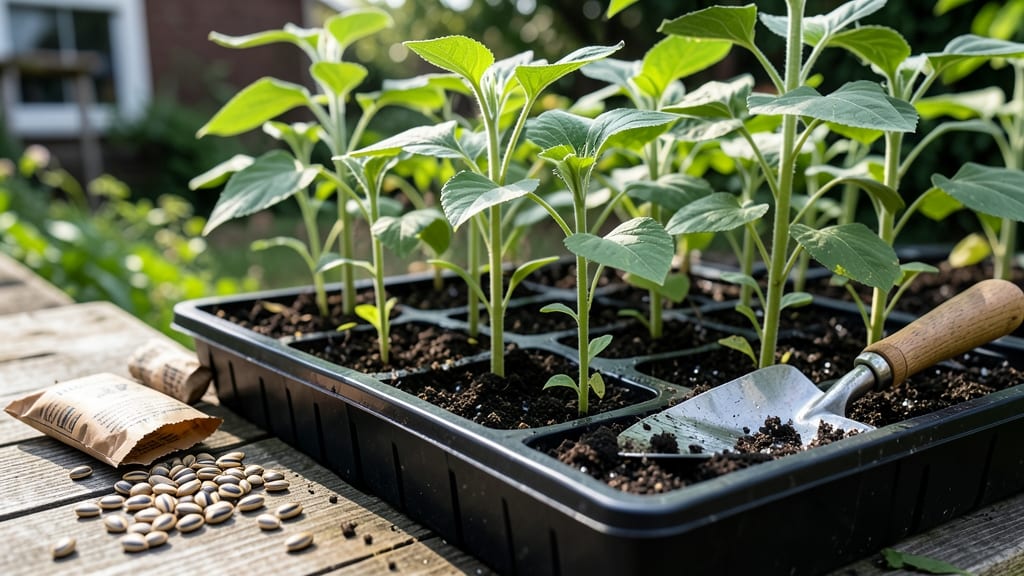
Planting sunflowers in California at the right time means fast germination and towering 🌻 blooms by summer—skip the window, and you risk stunted growth or no flowers at all.
Sunflowers bring bold color and effortless beauty to California gardens—but planting them at the wrong time means slow growth or even failure. Timing is everything, especially when dealing with California’s diverse microclimates and USDA zones.
Coastal areas like San Francisco have milder winters, while inland zones like the Central Valley can hit 90°F by May. That means your spring planting could be too early in one place and too late in another.
Below, I break down the best months to plant by zone, soil prep tricks for fast germination, and how to adjust for heat or coastal chill—so you get those 12-foot giants (or dwarf varieties) thriving in your garden.
Best planting months for sunflowers in California by USDA zone
California’s diverse USDA zones (5-11) create wildly different conditions for sunflower growth. In cooler coastal zones (8-10), like San Francisco, you’ll plant earlier than in hot inland zones (9-11), where summer heat demands strategic timing.
The key is soil temperature—sunflowers need at least 60°F (15°C) to germinate properly, and California’s frost-free dates vary dramatically from November in the south to June in the north.
For fast germination and robust blooms, aim to plant when daytime temperatures consistently stay above 70°F (21°C). In Northern California (zones 5-8), this typically means late April to early June, while Southern California (zones 9-11) gardeners can start as early as February.
Even within zones, microclimates matter—mountain foothills may need 2-3 weeks later than valley floors.
Here’s your zone-by-zone planting guide, including frost-free dates and soil prep tips to ensure healthy sunflower growth:
| USDA Zone | Frost-Free Window | Best Planting Months | Soil Temp Requirement | Key Notes |
|---|---|---|---|---|
| 5-6 (Northern Mountains) | Late May - Early June | June - July | 65°F+ (18°C+) | Short season; choose fast varieties like 'Teddy Bear' |
| 7 (Northern Valley) | Mid-April - May | May - June | 60°F+ (15°C+) | Cooler nights; mulch to retain warmth |
| 8 (San Francisco Bay) | Mid-March - April | April - May | 58°F+ (14°C+) | Coastal fog delays germination; use row covers |
| 9 (Central Coast) | January - February | February - March | 62°F+ (17°C+) | Long growing season; can plant twice yearly |
| 10-11 (Southern CA) | November - December | December - January | 68°F+ (20°C+) | Hot summers; plant early to avoid bolting |
In USDA zone 5-6, like the Sierra Nevada foothills, sunflowers are a summer-only crop. Plant after Memorial Day when frost risk is zero, and choose dwarf varieties to avoid wind damage.
My go-to for these zones is 'Teddy Bear'—it matures in just 60 days and handles cooler temps better than standard types.
For coastal zones (8-10), like Santa Barbara or Monterey, the biggest challenge is coastal fog. Wait until after the last foggy spell (usually late April) to plant, or use black plastic mulch to warm the soil.
I’ve seen 30% faster germination in foggy areas when using this trick—worth the extra effort for those iconic sunflower blooms!
Southern California’s zones 10-11 offer the most flexibility, but heat stress is the enemy. Plant late fall (November) for spring blooms or early winter (December) for summer flowers. Avoid planting in June or July—the heat causes sunflowers to bolt prematurely or produce small, weak blooms
How to adjust sunflower planting for California’s microclimates
California’s diverse microclimates can make sunflower planting tricky. Coastal areas like San Francisco enjoy mild summers, while the Central Valley bakes under intense heat, and desert regions like Palm Springs face extreme dryness.
Each requires unique adjustments to ensure your sunflowers thrive from seed to bloom. Let’s break down the key tweaks for each zone.
For coastal California, cooler temperatures and foggy mornings mean slower soil warming. Inland areas, however, heat up quickly, demanding faster watering and shade protection for young seedlings.
Desert regions need even more caution—overwatering can be as harmful as underwatering. Understanding these differences will help you avoid common pitfalls like stunted growth or wilted leaves.
🌻 California Microclimate Adjustments for Sunflowers
- Coastal Areas (e.g., San Francisco): Plant late March to early May when soil warms to 55°F+. Use black plastic mulch to speed up soil heating and protect seedlings from chilly coastal winds.
- Central Valley (e.g., Sacramento): Start seeds indoors in March or direct-sow mid-April to May. Provide afternoon shade for young plants to prevent heat stress.
- Desert Regions (e.g., Palm Springs): Plant late winter (Feb-Mar) to avoid summer’s extreme heat. Use drip irrigation and mulch heavily to retain moisture.
- Soil Prep for All Zones: Amend soil with compost and sand (for desert areas) to improve drainage. Test pH—sunflowers prefer 6.0 to 7.5.
- Watering Adjustments: Coastal areas need consistent moisture, while desert regions require deep, infrequent watering. Always water at soil level, not the leaves.
In coastal microclimates, like those near San Francisco, focus on soil warming techniques. Lay down black landscape fabric or use row covers to raise soil temperatures. These areas also benefit from windbreaks, like tall grasses or fencing, to protect delicate seedlings from salty ocean breezes.
If you’re in USDA Zone 9 or 10, you can even plant sunflowers in fall for a second bloom cycle.
The Central Valley presents its own challenges with intense afternoon sun. Here, shade cloth (30-50%) is a game-changer for young plants. Once established, sunflowers handle the heat, but mulching with straw helps retain moisture and keeps roots cool.
Avoid overhead watering—it can lead to fungal diseases like powdery mildew, which thrives in the Valley’s humid nights.
For desert regions, like the Coachella Valley, timing is critical. Plant seeds in late winter so they germinate before the 100°F+ summers. Choose drought-tolerant varieties, such as ‘ProCut’ or ‘Autumn Beauty’, which handle heat better.
Water deeply once a week rather than daily, and always in the early morning to reduce evaporation.
Regardless of your microclimate, spacing is key. Give sunflowers 12-24 inches of space, depending on the variety. In windy coastal areas, stake taller varieties to prevent toppling. And remember—sunflowers are heavy feeders. A balanced fertilizer (10-10-10) at planting and again when flowers form will ensure vibrant blooms.
With these adjustments, your sunflowers will stand tall and proud, no matter where you garden in California. Happy planting! 🌻