
Flowers
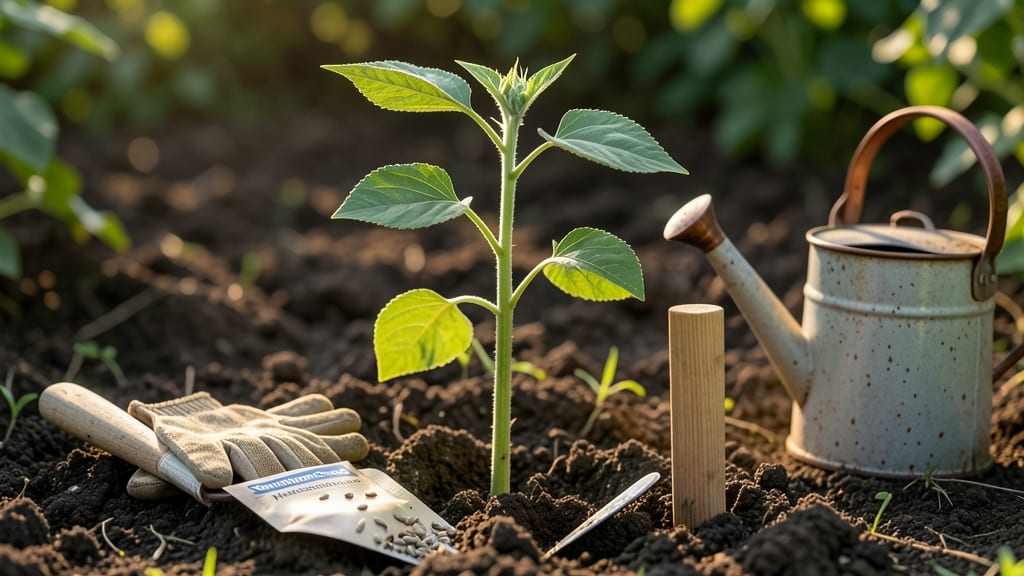
Planting sunflowers in Northern California at the right time means the difference between 16-foot giants and sad, stunted stems—so timing is everything, especially in zones 8a-9b.
Sunflowers thrive in Northern California’s diverse climates—but planting them at the wrong time can mean wilted dreams instead of towering blooms. Timing is everything, and these golden giants demand precision to flourish in zones from coastal fog belts to inland heat pockets.
Most gardeners in the Bay Area or Sacramento Valley reach for their seeds in spring, but fall planting can also work if you time it right—just 8-10 weeks before frost. The key? Soil temps of 55°F+ and knowing your microclimate’s last frost date.
Below, I’ll break down the best planting windows by region, soil prep secrets, and how to adjust for fog, wind, or heat—so you can grow sunflowers that reach their full potential.
Northern California sunflower planting dates by USDA zone (coastal vs inland)
Northern California’s diverse microclimates create unique challenges for sunflower growers. While coastal areas like San Francisco and Santa Cruz experience delayed last frost dates due to marine layer fog, inland regions such as the Sacramento Valley and Sierra foothills can see soil temperatures warm enough for planting weeks earlier.
Understanding these variations ensures your sunflowers get the best possible start.
For optimal growth, sunflowers need soil temperatures of at least 55°F (13°C) and full sun exposure. Coastal areas typically wait until late April or even early May, while inland zones can plant as early as mid-March.
The key is balancing frost risk with heat tolerance—sunflowers thrive in warmth but can bolt prematurely if stressed by cold snaps.
USDA Zones 8a-9b cover Northern California, but microclimates within these zones create significant planting differences. The Bay Area (Zone 9a) often sees last frost dates around March 15, while the Central Valley (Zone 9b) can be frost-free by February 15. High-elevation areas like the Sierra foothills may delay planting until late April due to cooler nights.
Below is a comparison table outlining the best planting windows for sunflowers across Northern California’s key regions, including coastal fog zones, inland heat pockets, and high-desert microclimates. These dates align with soil temperature thresholds and frost-free periods to maximize your sunflowers’ potential.
| Region | USDA Zone | Last Frost Date | Best Planting Window | Soil Temp Threshold | Key Considerations |
|---|---|---|---|---|---|
| Coastal (San Francisco, Santa Cruz) | Zone 9a | March 15 - April 1 | Late April - Early May | 55°F+ (13°C+) | Wait for marine layer to lift; use row covers for early starts. |
| Bay Area Inland (Oakland, Livermore) | Zone 9b | March 1 - March 15 | Mid-April - Early May | 55°F+ (13°C+) | Faster warming than coast; monitor soil moisture. |
| Central Valley (Sacramento, Stockton) | Zone 9b-10a | February 15 - March 1 | Mid-March - Early April | 50°F+ (10°C+) | Early planting risk; use mulch to retain heat. |
| Sierra Foothills (Amador, El Dorado) | Zone 8a-9a | April 1 - April 15 | Late April - Early May | 55°F+ (13°C+) | Cooler nights; choose shorter varieties for reliability. |
| Fall Planting (All Regions) | Zones 8a-10a | August 15 - September 15 | August - Early September | 60°F+ (15°C+) | Plant 8-10 weeks before first frost for seed harvest. |
Spring planting is the most common approach, but fall planting can yield a second crop of sunflowers if sown 8-10 weeks before your area’s first frost. In Northern California, this typically means late August to early September.
Fall-planted sunflowers often produce smaller blooms but can be ideal for seed harvesting before winter sets in.
For coastal gardens, I recommend starting seeds indoors 4-6 weeks before transplanting to give seedlings a head start against fog delays. Inland areas can direct-sow seeds once soil temperatures stabilize, usually by mid-March.
Always test soil temperature with a soil thermometer—sunflowers won’t germinate well below 55°F (13°C).
One common mistake is planting too early in cooler microclimates, which can lead to stunted growth or bolting. Conversely, inland growers might rush planting in March only to face unexpected late-season frosts.
To avoid these pitfalls, check your local Almanac frost dates and adjust by 2-3 weeks for sunflowers’ slower germination compared to faster-growing annuals.
If you’re in a transition zone (e.g., Piedmont hills between coast and valley), err on the side of later planting. These areas experience temperature swings and may not warm up as consistently as the Central Valley.
For example, Berkeley (Zone 9a) might align more closely with coastal planting windows, while Davis (Zone 9b) follows inland schedules.
Pro tip: Use black plastic mulch in cooler zones to warm soil faster, or plant near south-facing walls to create microclimates that extend your growing season. For container growing, choose dwarf varieties like ‘Teddy Bear’ and plant after May 1 to avoid root stress from temperature fluctuations.
🌻
How to adjust sunflower planting for Northern California’s microclimates (fog, wind, heat)
Northern California’s microclimates create unique challenges for sunflower growers. Coastal areas like the San Francisco Bay experience persistent fog delays, while the Central Valley battles intense heatwaves.
Even high-desert regions like Lake Tahoe’s foothills demand special attention. Adjusting your planting strategy based on these conditions can mean the difference between flourishing sunflowers and stunted growth.
For coastal gardens, fog often lingers until late spring, delaying planting by 3-4 weeks compared to inland areas. Meanwhile, Central Valley growers must plant earlier to avoid summer heat stress that can scorch young seedlings.
High-desert regions benefit from late-summer planting to avoid early frosts. Each zone requires a tailored approach to maximize your sunflower’s potential.
- 1 Coastal Areas (e.g., San Francisco Bay): Wait until mid-April to early May when fog lifts consistently. Use windbreaks like burlap or tall grasses to protect delicate seedlings from windburn.
- 2 Central Valley (e.g., Sacramento): Plant late February to early April to avoid 100°F+ heatwaves. Mulch heavily with straw or wood chips to retain moisture and cool soil.
- 3 High-Desert Regions (e.g., Sierra Foothills): Opt for late-summer planting (August) to extend the growing season. Choose drought-tolerant varieties like ‘Autumn Beauty’ for better heat resistance.
- 4 Wind Protection Hacks: Plant sunflowers near fences, hedges, or trellises. Use cattle panels as temporary windbreaks for young plants.
- 5 Mulching Strategies: Apply 3-4 inches of mulch (straw or wood chips) to retain moisture and suppress weeds. Replenish after heavy rains to maintain coverage.
One of my favorite late-summer planting hacks is sowing second crops in August for high-desert areas. This timing allows sunflowers to mature before the first frost, often yielding second harvests in November.
For coastal gardens, I recommend starting seeds indoors in March and transplanting after the fog clears to give them a head start.
Don’t overlook the power of soil preparation. Amend your soil with compost or aged manure before planting to improve drainage in heavy coastal soils or retain moisture in sandy desert regions.
A pH test (ideal range: 6.0–7.5) ensures your sunflowers can access essential nutrients like phosphorus and potassium, which are critical for strong stems and vibrant blooms.
For wind-prone areas, I’ve found that planting sunflowers in clusters of 3-5 creates natural windbreaks for each other. This technique also makes harvesting easier and adds visual impact to your garden. Pair them with tall grasses or corn for added protection and a stunning vertical display.
Finally, monitor your sunflowers closely for heat stress signs like wilting leaves or yellowing petals. If temperatures exceed 90°F, provide afternoon shade with lightweight shade cloth until the plants establish deeper roots.
With these microclimate adjustments, you’ll be well on your way to growing show-stopping sunflowers anywhere in Northern California. 🌻