
Plants
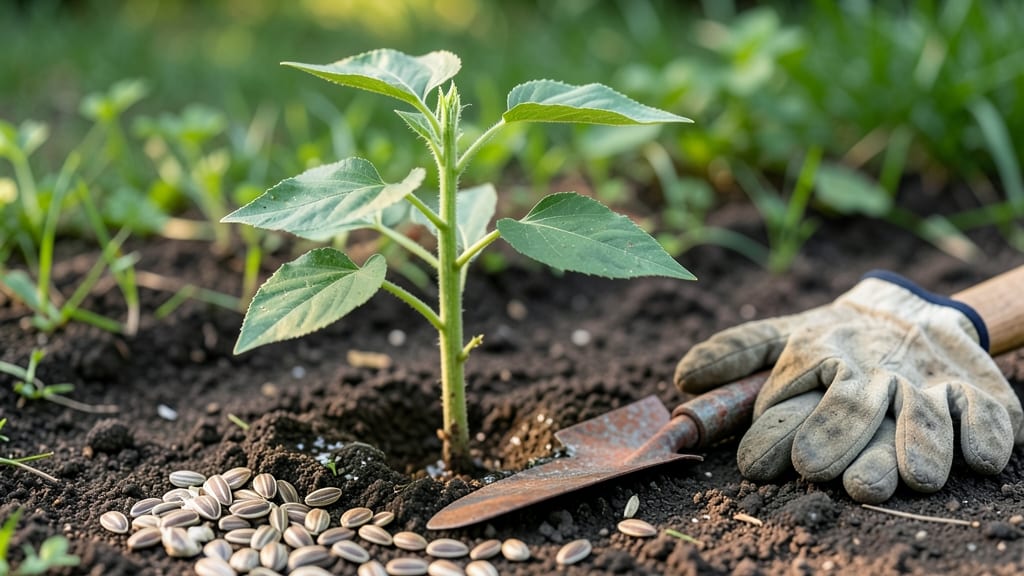
To plant sunflower seeds in Florida, aim for March through May or August through September—when soil warmth and daylight align for the fastest, tallest blooms.
Sunflowers in Florida can grow taller and bloom faster than anywhere else—but timing is everything. Plant too early, and frost risks linger; too late, and summer’s brutal heat stunts their growth. Here’s the exact schedule Florida gardeners need for sunflowers that reach their full, sun-drenched potential.
Florida’s frost-free window means you can push the limits, but even here, soil temperature matters. Below 50°F, seeds won’t germinate well, while summer heat above 90°F can stress young plants. The sweet spot? Spring’s gentle warmth or late summer’s cooling trend.
In this guide, I’ll break down the best months by region, how to adjust for giant varieties, and 5 pro tips to extend your sunflower season—so you get those iconic 10-foot-tall blooms without the guesswork.
Florida sunflower planting calendar: months for tallest, fastest blooms
Florida’s long growing season and intense sunlight create perfect conditions for sunflowers that reach 12+ feet tall. But timing matters—plant too early in North Florida, and frost can damage seedlings; plant too late, and summer’s 95°F+ heat stunts growth.
The key is understanding your USDA zone (8a-11) and adjusting for soil warmth and rainfall patterns.
Sunflowers thrive when soil temperatures stay above 50°F for germination. In South Florida (zones 10-11), this means planting as early as February for spring blooms, while North Florida (zones 8a-9) gardeners should wait until mid-March to avoid frost.
Late summer plantings in August-September also work well, especially for heat-tolerant varieties like 'Autumn Beauty'.
| Region | Best Planting Months | Soil Temp (°F) | Frost Risk | Bloom Time |
|---|---|---|---|---|
| North Florida (Zones 8a-9) | March-May, August-Sept | 50°F+ | High (Jan-Mar) | June-Oct |
| Central Florida (Zones 9a-9b) | Feb-April, July-Aug | 55°F+ | Moderate (Jan-Feb) | May-Nov |
| South Florida (Zones 10-11) | Jan-Mar, Aug-Sept | 60°F+ | Low (rare) | April-Dec |
Direct sowing sunflower seeds is the fastest method for Florida gardeners, with 60-70% germination in just 7-14 days when soil is warm. Plant seeds 1 inch deep and 6-12 inches apart, depending on variety—giant sunflowers need more space.
Transplanting seedlings (bought from nurseries) gives you a 2-week head start, but handle them gently to avoid root shock.
For tallest sunflowers (like 'Mammoth'), aim for spring planting (March-April) in North Florida or January-February in South Florida.
These varieties need 100+ days to mature, so late plantings risk stunted growth from summer’s heat. Fast-blooming varieties (like 'Teddy Bear') can handle late summer plantings (August-September) and still bloom by October-November.
Watch for soil temperature spikes—sunflowers struggle when soil exceeds 90°F. In Central Florida, June-July plantings often fail due to heat stress. Instead, use shade cloth or plant in partial shade during these months.
Mulch with straw or wood chips to keep roots cool and retain moisture, which is critical in Florida’s humid summers.
Florida’s hurricane season (June-November) can disrupt sunflower growth, especially for late plantings. If a storm is forecast, stake tall varieties or plant in windbreaks. Dwarf varieties (3-5 feet tall) handle wind better but may not reach their full height.
Always check local frost dates—even South Florida can see light frosts in January, which can damage young plants.
To maximize bloom speed, fertilize with a balanced 10-10-10 at planting and again when plants reach 12 inches tall. Avoid high-nitrogen fertilizers, which promote leafy growth over flowers. Water deeply once a week during dry spells, focusing on the root zone to encourage deep root growth.
Overwatering in Florida’s humidity can lead to fungal diseases, so always water in the morning.
For continuous blooms, stagger plantings every 2-3 weeks from March through September. This ensures fresh flowers from June through November, even in Florida’s short growing seasons. Choose drought-tolerant varieties like 'ProCut' for low-maintenance gardens or 'Russian Giant'
How to adjust planting time for giant sunflowers vs. fast-blooming varieties
Florida’s heat and humidity demand different strategies for giant sunflowers like 'Mammoth' versus fast-blooming varieties like 'Teddy Bear'. Giant types need longer growing seasons to reach towering heights, while compact varieties thrive in shorter windows. The key? Soil temperature and light exposure adjustments to prevent bolting or stunted growth.
For 'Mammoth' sunflowers, aim to plant seeds when soil temps hit 55°F (around mid-March to April in North Florida). These varieties require 100-120 days to mature, so late plantings risk heat stress before blooming.
In contrast, 'Teddy Bear' or 'Autumn Beauty' sunflowers mature in 50-60 days, allowing late summer plantings (August-September) for fall blooms.
🌱
Giant Sunflowers ('Mammoth')
- 🌻 Taller blooms (10-15 ft)
- 🌱 Longer vase life
- 🌡️ Better for cooler seasons
- ⏳ Longer growing time (100-120 days)
- ☀️ Heat-sensitive (risk of bolting)
- 📅 Limited planting window (March-April)
Fast-Blooming Varieties ('Teddy Bear')
- ⏰ Faster blooms (50-60 days)
- ☀️ Heat-tolerant (August-Sept plantings)
- 🌿 Compact size (3-5 ft)
- 🌻 Shorter stems (less dramatic)
- 💧 Needs consistent watering in heat
- 📅 Limited fall season (blooms before frost)
Adjust your watering schedule based on variety: 'Mammoth' types need deep watering every 2-3 days once established, while fast-bloomers thrive with daily watering in Florida’s summer heat. Use mulch to retain moisture and prevent soil temperature spikes that trigger bolting.
For light exposure, giant sunflowers require full sun (6+ hours) but may need light shade during peak afternoon heat (1-4 PM) in South Florida. Fast-bloomers tolerate partial shade better, making them ideal for late-season plantings when sun intensity peaks.
🌿
If you’re growing both varieties, stagger plantings: start 'Mammoth' seeds in March and 'Teddy Bear' seeds in August for continuous blooms. Monitor soil moisture closely—Florida’s clay soils can suffocate roots if overwatered, while sandy soils dry out too quickly.
Adjust your schedule based on your USDA zone (North vs. South Florida) for best results.