
Flowers
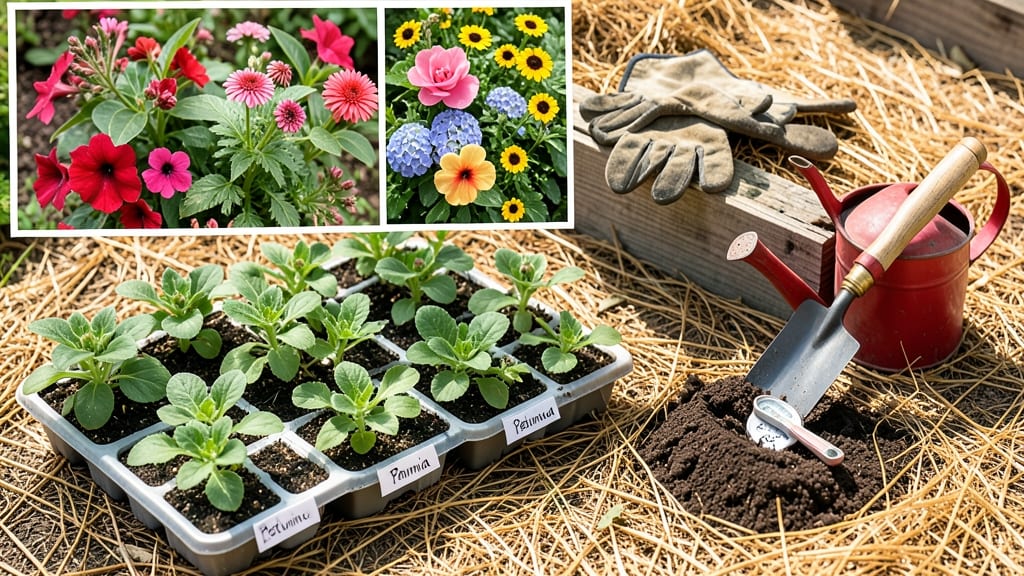
Planting flowers in South Carolina at the right time means the difference between a showstopping garden and a sad investment 🌸—and the key is knowing your USDA zone’s last frost date.
Timing is everything in gardening—plant your flowers too early in South Carolina’s unpredictable climate, and frost can wipe them out; too late, and they’ll struggle to bloom before winter. Follow this USDA zone-specific guide to maximize your flowers’ potential and enjoy vibrant blooms all season.
In zones 7b-8a, most annuals and tender perennials wait until mid-March (after the last frost), while hardy perennials and bulbs can go in as early as February. Coastal areas stay warmer longer, while the Piedmont may need to wait until April for safety.
Below, I break down the exact planting windows for your favorite flowers—from azaleas to native wildflowers—plus pro tips to extend your blooming season and avoid costly mistakes.
South Carolina flower planting calendar by USDA Zone (7a, 7b, 8a)
South Carolina’s USDA Zones 7a, 7b, and 8a offer diverse planting opportunities, but timing is critical. Coastal areas (Zone 8a) enjoy longer frost-free seasons (up to 270 days), while inland Piedmont (Zone 7a) faces earlier frosts (210 frost-free days).
Always check your local last frost date—typically mid-March for Zone 7a and late February for Zone 8a. Planting too early risks frost damage, while late planting may delay blooms.
This calendar focuses on annuals, perennials, and bulbs tailored to SC’s microclimates. For cool-season flowers like pansies and snapdragons, start seeds indoors in February (Zone 7a) or January (Zone 8a). Warm-season favorites such as zinnias and marigolds thrive when soil temps reach 60°F+, usually by mid-April.
Always amend soil with compost before planting—SC’s clay-heavy soils benefit from organic matter.
For Zone 7a gardeners, focus on early spring planting (March-April) to avoid late frosts. Coastal Zone 8a areas can extend planting into early December for winter-blooming flowers like pansies and hellebores.
Always monitor soil temperature—use a soil thermometer to ensure seeds germinate properly. 60°F+ is ideal for most annuals, while bulbs prefer 50-60°F soil.
Native South Carolina flowers like azaleas and camellias thrive with acidic soil (pH 5.0-6.0). Test your soil before planting—amend with sulfur or peat moss if needed. These evergreen shrubs
Best flowers to Plant in South Carolina by season (cool vs. warm season)
South Carolina’s humid subtropical climate means your flower garden can thrive year-round with the right seasonal choices. Cool-season flowers like pansies and snapdragons handle mild winters, while warm-season bloomers like hibiscus and zinnias shine in summer’s heat.
Native species like black-eyed Susans and coreopsis add resilience and beauty to your landscape.
Timing matters—plant cool-season flowers in fall or early spring (September–March) to avoid frost damage, while warm-season varieties need to go in after the last frost (typically mid-March to April). Let’s dive into the best picks for each season to keep your garden bursting with color.
🌸 Spring Planting (March–May)
- Pansies – Cool-season hardy blooms; plant September–October or March for spring color.
- Sweet Alyssum – Drought-tolerant annual; sow February–April for early blooms.
- Native Azaleas – Plant fall or early spring; thrives in acidic soil (pH 4.5–6.0).
☀️ Summer Planting (June–August)
- Zinnias – Heat-loving annuals; sow after last frost (April–May) for summer-long blooms.
- Hibiscus – Plant spring after frost; needs full sun and well-draining soil.
- Black-Eyed Susan – Native perennial; plant spring or fall for drought resistance.
🍂 Fall Planting (September–November)
- Mums (Chrysanthemums) – Plant August–September for fall color; thrives in cool weather.
- Snapdragons – Cool-season annual; sow September–October for winter blooms.
- Camellias – Plant fall for winter/spring blooms; loves partial shade.
❄️ Winter Planting (December–February)
- Pansies – Cold-hardy annuals; plant September–October or January for winter blooms.
- Native Wildflowers – Plant fall for spring blooms; attracts pollinators.
- Daffodils – Plant fall (October–November) for early spring color.
For coastal SC gardens, opt for salt-tolerant varieties like sea oats or beach sunflower, while upstate regions can handle hardier perennials like coneflowers and black-eyed Susans. Always check your local frost dates—they vary yearly—and mulch cool-season plants to protect roots during winter’s occasional chill.
Pro tip: Succession plant warm-season flowers like zinnias every 4–6 weeks to ensure continuous blooms. Pair native species with non-natives for a low-maintenance, pollinator-friendly garden that thrives in SC’s climate. With this seasonal guide, your garden will be a year-round blooming paradise! 🌿