
Flowers
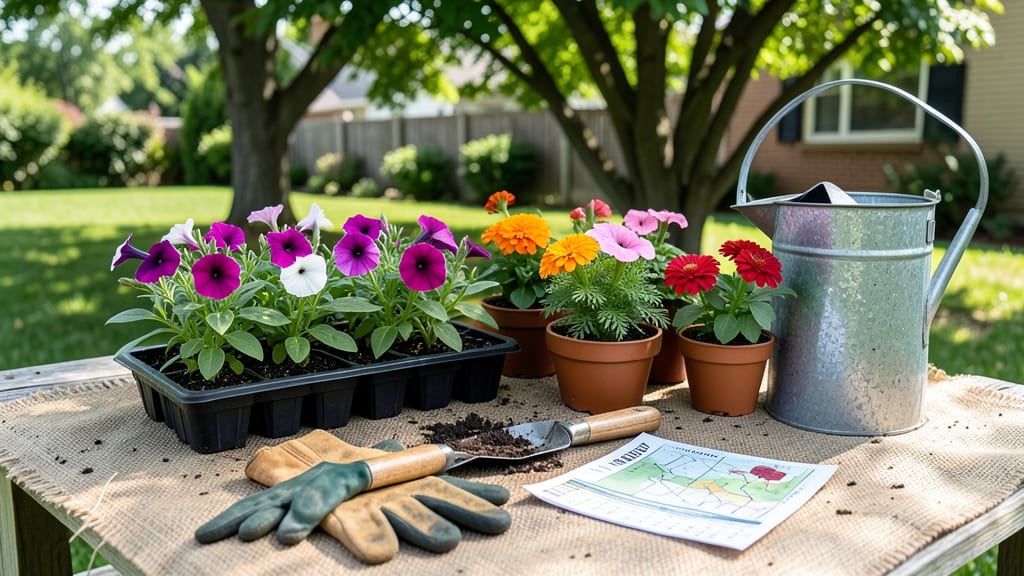
You can safely plant flowers in Ohio once it is safe to plant flowers in Ohio, typically between mid-April and early May, depending on your USDA zone.
Ohio gardeners know the struggle: planting too early risks frost damage, while waiting too long means missing peak bloom season. Getting the timing right ensures your 🌸 flowers thrive from the start.
In USDA Zone 6a, like much of Ohio, the average last frost falls around April 15, but microclimates can shift that window by a week or more. Warmer southern Ohio may see frost-free conditions earlier, while northern areas could need to wait until early May.
Below, I’ll break down the exact frost-free dates by zone, share the best flowers to plant for your timeline, and even offer tricks to extend your planting season safely—so you can enjoy a vibrant garden all summer long.
Ohio frost-free dates by USDA Zone: when to plant flowers safely
Ohio's diverse climate means frost-free dates vary dramatically across its USDA zones 5b through 7a. Getting these dates wrong can mean frost-killed seedlings or missed bloom seasons. The key is understanding your specific zone's historical patterns and preparing accordingly.
Most Ohio gardeners fall into zones 5b, 6a, or 6b, with southern counties occasionally reaching 7a. These differences can mean planting 2-3 weeks apart between northern and southern Ohio.
For accurate planning, I recommend checking your local Almanac frost records or using the USDA Plant Hardiness Zone Map. While these dates provide a solid baseline, microclimates near lakes or valleys can shift frost timing by 5-10 days.
In my experience, northern Ohio gardeners should wait until May 1 for safety, while southern Ohio can often plant by April 15. The difference might seem small, but it translates to weeks of blooms or potential loss.
Here's the critical information you need to plan your flower garden safely across Ohio's zones:
Understanding these dates helps with hardy perennials like coneflowers or black-eyed Susans, which can handle light frosts. But for tender annuals like petunias or geraniums, waiting until after the last frost date is crucial.
I've seen firsthand how a late April frost can wipe out newly planted impatiens in northern Ohio gardens. The solution? Use row covers or plant heat-loving flowers after May 10 in cooler zones.
Ohio's frost patterns also follow predictable seasonal shifts. The vernal equinox (March 20) marks when daytime warming begins, but nighttime temperatures can still drop below freezing until late April.
That's why I recommend planting cool-season flowers like pansies or snapdragons in early spring, while waiting until after the last frost for warm-season favorites like marigolds or zinnias. The transition period between April 15 and May 1 is particularly risky for new plantings.
Historical data shows that Ohio's frost-free dates have shifted slightly earlier by 3-5 days over the past decade due to climate change. However, this doesn't mean you should rush planting. The soil temperature is just as important as air temperature.
I test mine with a soil thermometer—waiting until it reaches 50°F ensures roots establish properly before summer heat arrives. This simple check has saved me from wilting seedlings multiple times in my garden.
For gardeners in Zone 5b, the 10-year average shows frost can occur until May 15, so I recommend waiting until May 20 for heat-loving flowers. In Zone 7a, you might see 60-70 frost-free days by July, giving you a longer season.
This extended window allows for succession planting of annuals like cosmos or sunflowers every 2-3 weeks from May through June. The key is matching your planting schedule to your zone's specific frost patterns.
Don't forget about first frost dates when planning your fall garden. In northern Ohio, expect first frost between October 15-25, while southern Ohio typically sees frost by October 5-15. This means you can still plant cool-season flowers like asters or chrysanthemums until early September for fall color.
I've successfully extended my bloom season by 6-8 weeks using this strategy in my own garden.
For maximum safety, I suggest creating a personal frost calendar by recording your local frost dates for 3-5 years. This local data often reveals patterns that general zone averages miss.
For example, my garden in Zone 6a near Columbus has seen frost as late as May 12 in 2019, while other years were frost-free by April
Best flowers to plant by Ohio’s frost-free timeline (early vs late season)
Ohio’s frost-free dates vary by USDA zone, but most regions see their last frost between mid-April and early May. Knowing these dates helps you choose the right flowers for early planting versus those that thrive when planted after the last frost.
Early bloomers like cool-season annuals can handle light frosts, while tender warm-season flowers need the soil to warm up first.
For Ohio gardeners, the key is matching flower types to your planting window. Some flowers, like pansies and snapdragons, can be planted as early as March in southern Ohio, while others, like marigolds and zinnias, wait until May for best results.
Let’s break it down by season to make your planting schedule foolproof.
- 🌱 Early Season (March-April): Plant cool-season flowers like pansies, violas, and sweet alyssum. These thrive in 50-60°F soil and can handle light frosts.
- 🌿 Mid-Season (May-June): Ideal for perennials like coneflowers and annuals such as petunias. Soil should be at least 60°F for warm-season blooms.
- ☀️ Late Season (July-August): Perfect for heat-loving flowers like zinnias, sunflowers, and cosmos. These need full sun and warm soil to establish roots.
- 🌹 Bulbs for Fall (September-October): Plant tulips, daffodils, and crocuses 6-8 weeks before the first frost for spring blooms the following year.
- ✂️ Pro Tip: Use row covers to extend early planting for warm-season flowers in cooler Ohio zones.
If you’re in northern Ohio (USDA Zone 5b), focus on hardy annuals like calendula and nasturtiums for early planting. These frost-tolerant flowers can handle temperatures down to 25°F once established.
For southern Ohio (USDA Zone 7a), you can push the envelope with warm-season flowers like geraniums and salvias as early as April.
For perennial flowers, timing matters less, but planting in spring or early fall gives them the best chance to establish strong roots. Black-eyed Susans and bee balm are excellent choices for Ohio gardens—they’re drought-tolerant and attract pollinators.
Just be sure to water them deeply after planting to encourage root growth.
Don’t forget about bulbs for spring blooms! Planting tulips and daffodils in fall ensures vibrant spring flowers without competing with summer heat. These low-maintenance flowers naturalize well in Ohio’s climate, returning year after year with minimal care.
By aligning your flower choices with Ohio’s frost-free timeline, you’ll enjoy a longer bloom season and healthier plants. Start with cool-season flowers in early spring, transition to perennials and annuals after the last frost, and finish with fall-planted bulbs for next year’s color. Happy planting!