
Flowers
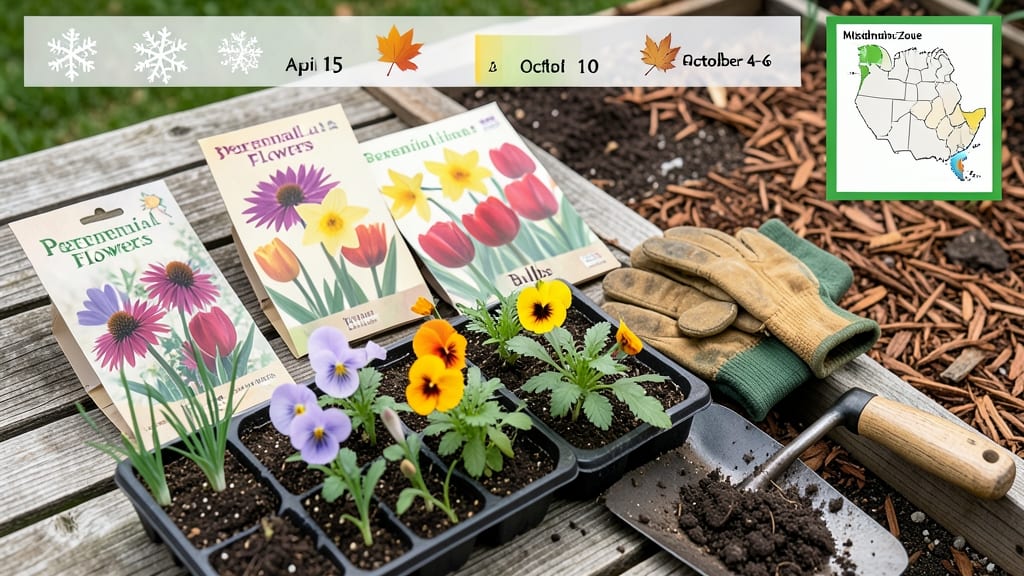
Planting flowers in Michigan at the right time means the difference between a showstopping garden and a sad, frost-nipped disappointment — and the perfect windows start as early as late March in the south and as late as mid-May in the UP.
Michigan’s unpredictable frost dates can turn your dream garden into a risky gamble—but timing your flower planting just right ensures vibrant blooms all season long.
Whether you’re in Detroit’s urban plots or the Upper Peninsula’s cooler climates, knowing the perfect windows for planting annuals, perennials, and bulbs is the secret to a showstopping garden.
Most gardeners wait until after the last frost date (typically mid-April for Zone 6b, later for Zone 5b), but cold-hardy varieties like tulips 🌸 and coneflowers can go in as early as March if the ground isn’t frozen.
Meanwhile, heat-lovers like impatiens need to wait until late May to avoid wilting in sudden summer heat.
Below, I break down the exact frost-free planting windows by zone, which flowers thrive in Michigan’s 5b-6b climate, and how to adjust for late springs or early freezes—so you can skip the guesswork and start planting with confidence.
Michigan flower planting calendar by last frost dates (Zone 5-6)
Michigan’s last frost dates typically range from mid-April in southern zones to late May in northern areas. This variability means your planting timeline should account for both early and late frost risks.
For Zone 5-6 gardeners, understanding these dates is crucial to avoid losing tender seedlings to unexpected cold snaps.
Hardy perennials like coneflowers and black-eyed Susans can often handle light frosts, while heat-sensitive annuals like impatiens require warmer soil temperatures. The key is balancing soil warmth (at least 50°F) with air temperatures that stay above freezing for extended periods.
🌱
| Plant Type | Ideal Planting Month | Frost Risk | Notes |
|---|---|---|---|
| Perennials (e.g., Coneflowers, Lavender) | Early April - Mid-May | Low (hardy to 20°F) | Plant after last frost; mulch for winter protection. |
| Bulbs (e.g., Tulips, Daffodils) | September - October (Fall) or March (Spring) | None (bulbs dormant) | Fall planting preferred; spring bulbs need 6-8 weeks chilling. |
| Annuals (e.g., Marigolds, Zinnias) | Mid-May - June | High (tender seedlings) | Wait until soil is 60°F+; use frost cloth if late frosts occur. |
| Heat-Sensitive (e.g., Impatiens, Petunias) | Late May - Early June | Very High | Avoid planting before Memorial Day; use shade cloth in summer. |
| Cold-Hardy Annuals (e.g., Pansies, Snapdragons) | March - April (or September for fall blooms) | None (tolerate light frost) | Direct sow or transplant early; great for spring/fall color. |
For early spring planting (March-April), focus on cold-hardy perennials and bulbs. These plants establish roots before summer heat arrives. My go-to early bloomers include crocuses and hellebores, which thrive even when air temps hover near freezing.
By late spring (May-June), the risk of frost drops significantly, making it safe to plant warm-season annuals like dahlias and sunflowers. These varieties need consistent warmth to germinate, so rushing them too early can stunt growth.
Always check your local Michigan State University Extension frost date maps for precision.
🌿
Summer planting in Michigan is limited to heat-tolerant annuals like celosia and portulaca, which can handle the state’s occasional 90°F+ spells. For extended blooms, succession plant marigolds and zinnias every 2-3 weeks from June through July. These fast growers ensure continuous color until frost.
Fall is the perfect time to plant spring-blooming bulbs and hardy perennials. By September-October, soil remains warm enough for root establishment, but air temps cool—ideal for tulips and alliums. Avoid planting after mid-October, as bulbs need 6-8 weeks to root before winter dormancy.
🌷
Pro tip: Use row covers or cold frames to extend your planting season by 2-3 weeks in early spring or late fall. These simple tools create microclimates that protect tender seedlings from late frosts or early freezes. I’ve successfully grown pansies and violas through winter using this method.
Always monitor soil temperature with a thermometer—it’s a more reliable indicator than air temperature. Aim for 50°F for perennials and 60°F for annuals before planting. This small step can mean the difference between a thriving garden and a failed experiment.
How to adjust planting times for Michigan’s unpredictable weather patterns
Michigan’s late frosts and early heatwaves can throw off even the most experienced gardener’s timing. I’ve learned the hard way that waiting for the "official" last frost date isn’t always enough—especially when Detroit’s urban heat islands can be 10°F warmer than nearby rural areas.
The key is to adjust planting times based on real-time conditions, not just calendar dates.
Start by monitoring soil temperatures, not just air temperatures. A soil thermometer is your best friend—most flowers need soil to stay above 50°F (10°C) for consistent growth.
In cooler Zone 5 areas like Traverse City, this might mean waiting until mid-May, while Zone 6 spots like Ann Arbor could be ready by early April. Microclimates matter more than you’d think!
For my 3-step risk assessment, I first check the National Weather Service’s frost probability maps—they update weekly and account for local patterns. Then, I test soil temps at 8 AM and 4 PM for 3 days to spot trends.
If temps fluctuate wildly, I delay planting by 7-10 days to avoid frost damage to tender seedlings. Cold-hardy flowers like coneflowers can handle a light frost, but impatiens will bolt if stressed.
Urban gardeners have a hidden advantage: heat islands can extend growing seasons by 2-3 weeks. I’ve planted petunias in my Detroit raised beds by late April when rural neighbors wait until May.
Conversely, UP gardeners should wait until after Memorial Day to avoid late frosts. Adjust planting dates by 10-14 days when moving between these extremes.
To extend your planting window, try these soil warming hacks: Lay black plastic mulch 2 weeks before planting to raise temps by 5-8°F, or use straw mulch to insulate roots.
For frost protection, cover seedlings with frost cloth at night—it adds 4-6°F of protection without smothering plants. I’ve saved entire tulip beds from late frosts this way!
Remember: Perennials are forgiving, but annuals demand precision. If you’re unsure, start with slow-growing flowers like salvia or black-eyed Susans—they’ll recover from minor delays. For heat-sensitive varieties, plant in partial shade and water deeply at soil level to prevent stress.
With these adjustments, you’ll beat Michigan’s weather and enjoy blooms all season long! 🌱