
Flowers
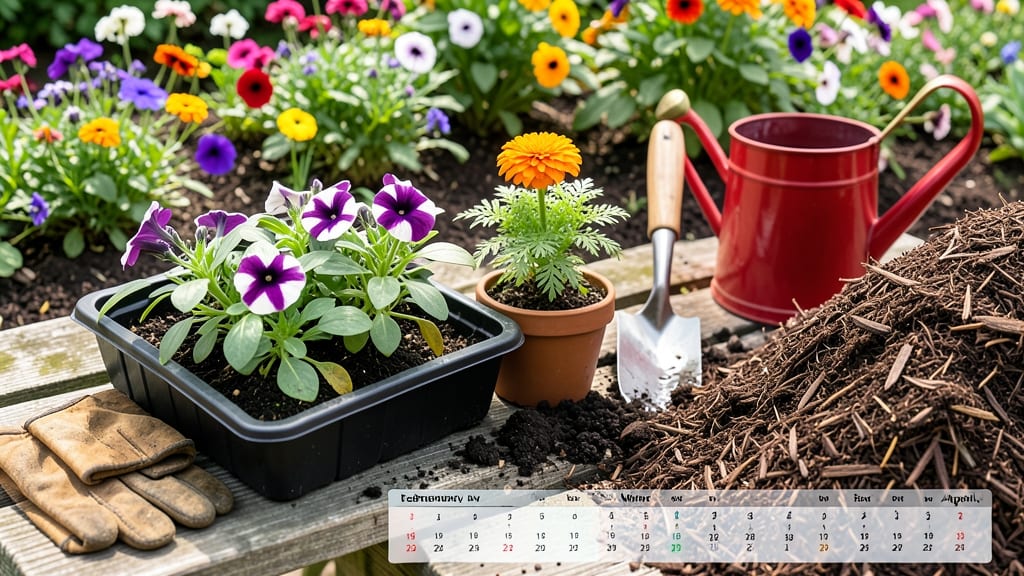
Planting flowers in Zone 8 at the right time ensures vibrant blooms from spring through fall—whether you’re sowing cool-season annuals or heat-loving perennials.
Timing is everything in gardening—plant your flowers too early, and frost may kill them; too late, and they’ll struggle to establish before summer heat. Get the exact months for planting annuals, perennials, and bulbs to ensure vibrant blooms all season long.
Zone 8’s mild winters and long growing season mean you can plant year-round, but the key is matching varieties to the right window. Cool-season flowers like pansies thrive in fall and winter, while marigolds and petunias wait for the last frost—usually mid-March—to take off.
Below, I’ll break down the best months for each type, how to adjust for microclimates, and the one mistake that kills more flowers than frost ever does.
Best months to plant annual flowers in Zone 8 for year-round color
Zone 8 gardeners have a unique advantage—our mild winters and long growing seasons allow us to plant annual flowers almost year-round. The key is understanding which blooms thrive in cool seasons versus warm seasons, and when to stagger plantings for continuous color.
Frost-sensitive varieties like petunias and marigolds need perfect timing, while hardy pansies and snapdragons can handle cooler temperatures.
In Zone 8, our last frost date typically falls around mid-March, while first frost arrives in mid-November. This means we can plant warm-season annuals as early as February in protected areas, and cool-season flowers can often survive light frosts.
The secret to year-round blooms? Staggered plantings—sow new seeds or transplants every 4-6 weeks to keep your garden vibrant from spring through fall.
| Flower Type | Best Planting Months | Frost Sensitivity | Staggered Planting Tip |
|---|---|---|---|
| Cool-Season Annuals | September-October, February-March | Moderate (tolerates light frost) | Plant every 3-4 weeks for spring/fall blooms |
| Warm-Season Annuals | March-April (after last frost) | High (frost kills) | Sow successive crops every 2 weeks until July |
| Petunias | April-May, August-September | Very High | Use frost cloth for early/late plantings |
| Marigolds | March-April, July-August | Moderate | Direct sow seeds for best results |
| Sunflowers | April-May, July | High | Choose dwarf varieties for container gardening |
| Pansies | September-October, February | Low (survives frost) | Plant in containers for winter color |
For cool-season annuals like pansies, snapdragons, and calendula, I recommend planting in late summer (August-September) for fall blooms and again in early spring (February-March) for spring color. These varieties can often handle light frosts down to 25°F, making them perfect for Zone 8's transitional seasons.
Use row covers if temperatures dip lower than expected to protect tender foliage.
When it comes to warm-season favorites, timing is critical. Plant petunias, geraniums, and marigolds only after your last frost date, typically mid-to-late March in most of Zone 8. For a continuous bloom display, I suggest making successive plantings every 2-3 weeks through early summer.
This ensures you'll have fresh blooms when earlier plantings start to fade from heat stress.
Don't overlook sunflowers and cosmos as excellent warm-season options. These heat-tolerant annuals can handle Zone 8's summer heat better than many other flowers. Plant them in April-May for late summer blooms, or try a second planting in July for fall color.
Their tall stalks also provide great pollinator support during hot months when other flowers may struggle.
Pro tip: Use mulch around all your annual plantings to retain moisture and regulate soil temperature. In Zone 8, our summer heat can dry out soil quickly, while fall rains can lead to root rot if drainage isn't proper.
A 2-3 inch layer of organic mulch helps maintain consistent growing conditions year-round.
For extended blooming seasons, consider using container gardening to move sensitive plants indoors during heatwaves or cold snaps. Many annuals like begonias and impatiens thrive in partial shade and can be brought inside when temperatures exceed 90°F
Perennial and bulb planting times in Zone 8: avoid these common mistakes
Perennials like lavender and coneflowers thrive in Zone 8 when planted at the right time, but timing is tricky—too early and your plants may bolt from heat stress, too late and they won’t establish strong roots before summer.
The best window for most perennials is early fall (September-October) or early spring (February-March), when soil temperatures are cool but frost isn’t a threat.
Bulbs like daffodils and tulips follow a different rhythm—they need 6-8 weeks of chilling before blooming, so plant them in October-November for spring color. This timing ensures they’ll get the cold period they need while avoiding winter dormancy issues.
⚠️ callout-warning ⚠️
Zone 8’s mild winters can fool gardeners into planting perennials in late winter, but soil temperatures below 50°F slow root growth. Early plantings often lead to heat stress once summer arrives, causing wilting or stunted growth.
✅ Solution: Wait until soil temps are consistently 60°F+ (use a soil thermometer) before transplanting. For bulbs, ensure they’re planted 6 weeks before first frost to complete chilling.
Another common error is overwatering newly planted perennials. While consistent moisture is key, soggy soil can suffocate roots. Aim for 1 inch of water per week, letting the top 2 inches of soil dry between waterings.
Mulch with 2-3 inches of organic matter to retain moisture and regulate soil temperature.
For bulbs, proper soil prep is non-negotiable. Amend heavy clay soil with compost or sand to improve drainage—waterlogged bulbs rot. Plant bulbs at a depth 3x their diameter (e.g., tulips 6 inches deep) and space them 4-6 inches apart to prevent overcrowding.
Fertilize lightly with bone meal at planting to encourage root development.
Heat-sensitive perennials like lavender or rosemary need special attention in Zone 8’s summer heat. Plant them in spring (March-April) to give roots time to establish before the hottest months. Provide afternoon shade during peak summer if possible, and water deeply but infrequently to encourage deep root growth.
Finally, don’t forget that fall planting is ideal for many perennials because cooler temps reduce transplant shock. By planting in September-October, your plants will establish roots before winter and burst into bloom the following spring. Just avoid planting when soil is waterlogged after heavy rains.