
Flowers
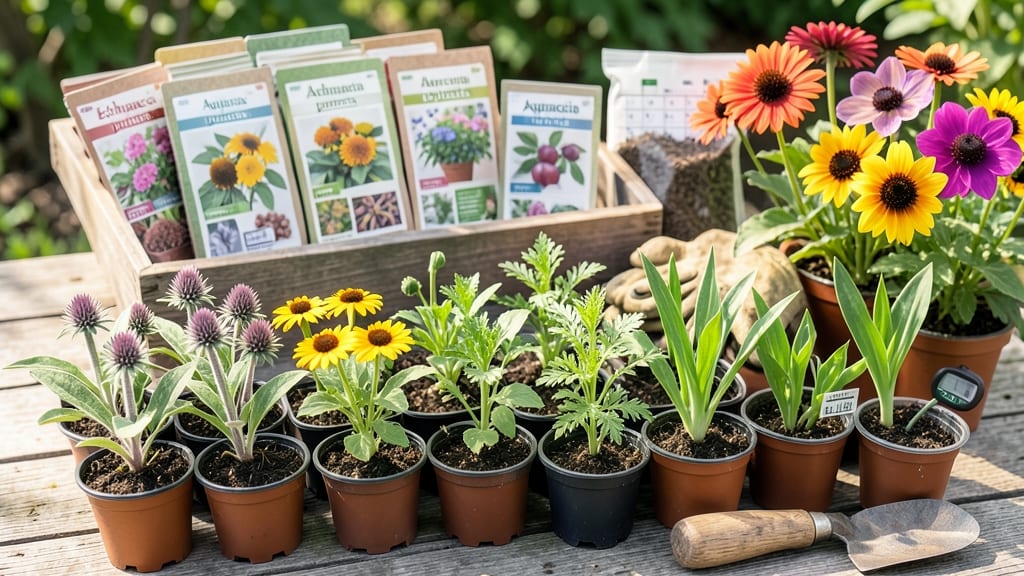
Planting flowers in Chicago means timing your 🌸 blooms with the last frost date—usually around mid-May—so you don’t waste money on seedlings lost to a surprise freeze.
Chicago’s unpredictable spring frost and short growing season can make timing your flower plantings tricky—but getting it right means vibrant blooms all summer long.
From tulips in early spring to marigolds in late May, each type of flower has its own ideal window, and missing it can mean wasted effort or stunted growth.
Here’s your month-by-month guide to planting flowers in Chicago’s USDA Zone 5b-6a, including frost dates, soil prep tips, and adjustments for containers or raised beds.
Chicago’s 2024 flower planting calendar by USDA Zone 5 frost dates
Chicago’s USDA Zone 5b climate means late spring frosts and early fall chills can catch gardeners off guard. To maximize your blooms, timing is everything—plant too early, and frost will nip tender shoots; too late, and your flowers may miss peak season.
My 2024 planting calendar aligns with Chicago’s average last frost (May 15) and first frost (October 15), but I’ll also share microclimate adjustments for urban heat islands and windy lake-effect zones.
Start by marking your calendar for March 15, when hardy bulbs like tulips and daffodils can go into the ground. For annuals and perennials, wait until soil warms to 50°F (10°C)—usually mid-to-late May.
Fall planting kicks off August 15 for cool-season bloomers like pansies and calendula, giving them time to establish roots before winter. Let’s break it down month by month to avoid common mistakes.
| Month | Plant Type | Action | Notes |
|---|---|---|---|
| March | Bulbs (tulips, daffodils) | Plant | Hardy to frost; mulch after planting. |
| April | Perennials (peony, coneflower) | Start indoors | Use frost cloth if nights dip below 32°F. |
| May 15+ | Annuals (petunias, marigolds) | Direct sow/transplant | Wait for soil >50°F; avoid windy spots. |
| June | Heat-lovers (zinnia, sunflower) | Plant after June 1 | Thin seedlings; mulch to retain moisture. |
| August 15 | Fall bloomers (pansies, snapdragons) | Start indoors | Aim for 6-8 week bloom time before frost. |
| September | Bulbs (fall crocus, hyacinth) | Plant | Soil should be 60°F; protect from squirrels. |
| October 15 | All plants | Frost prep | Cover tender perennials; harvest seeds. |
📅 Pro Tip: Adjust dates 1-2 weeks earlier for south-facing beds or later for north/exposed areas.
For container gardening, you can push limits—pot-bound flowers warm faster and can be moved to sheltered spots during late frosts. For example, geraniums and coleus often survive a light frost if potted and wrapped in frost cloth.
In windy areas near Lake Michigan, stake tall flowers like delphiniums early to prevent flopping.
My biggest mistake as a new Chicago gardener? Planting impatiens too early in April—they wilted when a 28°F night hit. Now, I wait until after May 15 for heat-loving annuals. Perennials like black-eyed Susans are more forgiving; they’ll bounce back even if transplanted in early June.
Always check your microclimate: A south-facing wall might be 5°F warmer than your yard, letting you plant 2 weeks earlier.
Don’t forget to prep your soil in March—amend with compost and a balanced fertilizer (10-10-10) to give early bloomers a boost. For bulbs, plant them 3x deeper than their height to protect against voles, a common Chicago pest.
If you’re starting seeds indoors (like snapdragons for fall color), begin by March 1 under grow lights to avoid leggy seedlings.
Chicago’s urban heat islands can create microclimates where summer heat lingers. If your garden is paved or asphalt-surrounded, opt for heat-tolerant flowers like lantana or zinnias, which thrive in 60°F+ soil. In cooler microclimates (like Lincoln Park), extend your season by using black plastic mulch to warm soil 5-1
Best flowers to plant in Chicago by season (and when to start indoors)
Chicago’s short growing season and late spring frosts demand strategic flower planting—but with the right timing, you can enjoy blooms from early spring to frost season. The key? Matching each flower’s hardiness to Chicago’s USDA Zone 5b-6a and starting some varieties indoors for a head start.
Let’s break down the best flowers for each season and when to begin them inside for maximum impact.
For spring blooms, focus on cold-hardy bulbs like tulips and daffodils, which can handle Chicago’s chilly soils. Meanwhile, summer annuals like petunias and marigolds thrive when planted after the last frost, typically around May 15.
Fall favorites, such as mums and asters, need an indoor start 8-10 weeks before their outdoor planting date to beat the first frost.
🌱 Seasonal Flower Planting Guide for Chicago
- Early Spring (March-April): Plant tulips and daffodils as soon as soil is workable (around March 15). Start calendula indoors in March for early blooms.
- Late Spring (May): After last frost (May 15), plant petunias, geraniums, and marigolds. Begin zinnia indoors in April for summer color.
- Summer (June-August): Add heat-tolerant cosmos and sunflowers in June. Start mums indoors in July for fall blooms.
- Fall (September-October): Plant asters and chrysanthemums in September for late-season color. Avoid planting after October 1.
💡 Pro Tip: Use frost cloth for early spring plantings to protect tender blooms from unexpected 20s°F nights.
Don’t overlook heat-tolerant varieties like black-eyed Susans and coneflowers, which thrive in Chicago’s hot, humid summers and require minimal watering once established. These perennials also return year after year, making them a low-maintenance choice for busy gardeners.
For container gardening, opt for compact petunias or vinca, which handle Chicago’s windy conditions better than sprawling varieties.
If you’re aiming for fall color, start chrysanthemums indoors in July—they need 10-12 hours of light daily to bloom on time. For winter interest, plant ornamental kale or pansies in September; these cold-hardy annuals add vibrant pops of color even when other plants fade.
Remember, Chicago’s microclimates vary—southern neighborhoods like Bridgeport warm up faster than Lincoln Park, so adjust your planting dates accordingly. Always check your soil temperature (ideal: 50°F+) before planting tender annuals, and mulch heavily to insulate roots from temperature swings.
With this seasonal breakdown, you’ll avoid frost damage, maximize blooms, and enjoy a year-round garden that thrives in Chicago’s unique climate. Happy planting! 🌷