
Flowers
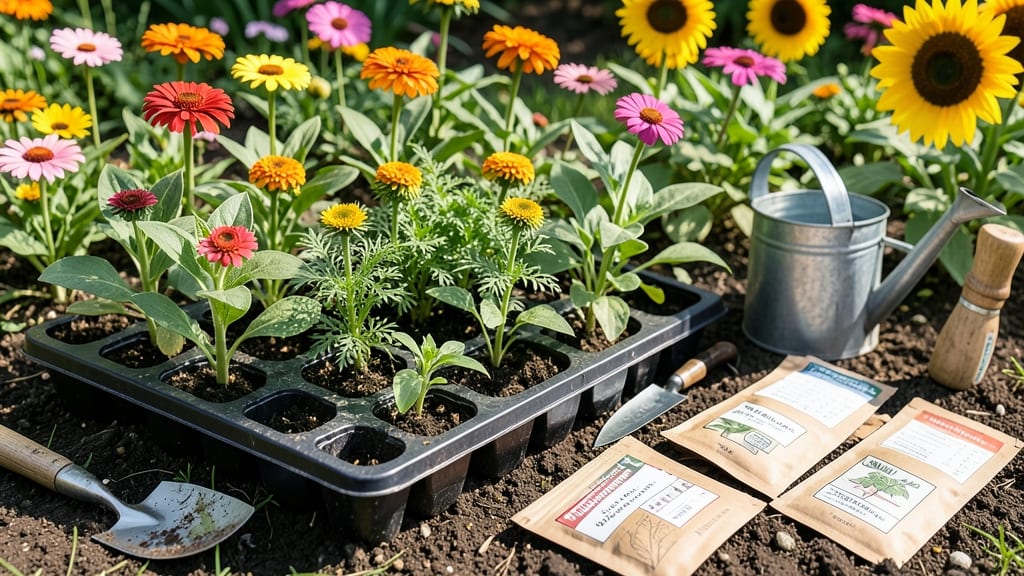
You can plant flowers in Michigan once the soil warms to 50°F and nighttime temps stay above 50°F consistently — typically late April to mid-May after the last frost, or in September for fall-blooming varieties.
Timing your flower planting in Michigan can mean the difference between a vibrant garden and a frost-killed disaster — knowing your zone’s frost-free dates is your secret weapon.
One late frost can wipe out tender annuals like petunias or marigolds, while perennials like coneflowers or black-eyed Susans need the right window to establish strong roots before summer heat arrives.
Michigan’s USDA Zones 5b-6b mean frost dates vary from early April in the south to late May in the Upper Peninsula, so local conditions matter more than calendar dates.
Whether you’re sowing seeds, transplanting seedlings, or tucking in bulbs, getting the timing right ensures your 🌸 flowers thrive when they’re supposed to.
Below, I’ll break down the best planting windows by month, share tricks to protect young plants from late frosts, and help you pick the right flowers for Michigan’s short but sweet growing season.
Michigan frost-free dates by USDA plant hardiness Zone (2024 guide)
Michigan’s diverse climate—from the Upper Peninsula’s chilly Zone 4a to southern Zone 6b—means frost-free dates vary dramatically. Getting these dates right ensures your flowers thrive without early frost damage. I’ll break down the average last frost dates for each zone, plus historical trends to help you plan with confidence.
For Zone 4a (Upper Peninsula), the last frost typically arrives between May 15-20, while Zone 6b (southern Michigan) sees frost-free conditions by April 20-May 5. These dates shift yearly, so I’ll share how to adjust your planting schedule based on 10-year averages and recent trends.
Understanding your zone’s frost-free window is critical for annual flowers like petunias and marigolds, which can’t handle frost, versus perennials like coneflowers that tolerate cooler soils. Let’s dive into the specifics for each zone to help you time your plantings perfectly.
🌱 Pro Tip: Use a frost calendar from your local Cooperative Extension Service for hyper-localized data. For example, Detroit’s Zone 6a often warms up 1-2 weeks earlier than Ann Arbor’s Zone 6b.
In Zone 4a, where winters are harshest, I recommend starting flower seeds indoors in early March for annuals like zinnias. These can be transplanted outdoors after the May 15 average last frost, but always have row covers ready for late frosts—even in June!
For Zone 6b, where the growing season is longer, you can push the envelope with fall planting. I’ve had great success with pansies and snapdragons sown in early September for winter
Best flowers to plant by Michigan month (cold-hardy vs. tender varieties)
Michigan’s variable climate demands strategic planting—some flowers thrive in early spring chill, while others need warm soil to germinate. The key is matching cold-hardy annuals with tender perennials to your region’s frost-free window.
In USDA Zones 4b-6a, timing can extend your bloom season from April to October with the right choices.
For cold-hardy varieties like pansies and snapdragons, you can start as early as March in protected containers or under row covers. Meanwhile, heat-loving favorites such as petunias and marigolds should wait until after Memorial Day when soil temperatures consistently stay above 55°F.
Let’s break down the best month-by-month planting schedule for Michigan gardens.
🌱 Michigan Flower Planting Timeline
- March: Start pansies, violas, and calendula indoors or in cold frames for early blooms. Daffodils and tulips can be planted outdoors if soil isn’t frozen.
- April: Transplant hardy annuals like snapdragons and stock once nighttime temps stay above 35°F. Perennials such as coneflowers and black-eyed Susans can go in after last frost.
- May: Plant tender annuals like petunias, geraniums, and marigolds after Memorial Day (typically May 25-31). Direct-sow cosmos and zinnia seeds into warm soil.
- June: Add heat-loving varieties like sunflowers and lantana for summer color. Succession-plant basil flowers alongside veggies for pollinators.
- September: Plant fall-blooming bulbs (e.g., chrysanthemums) and cool-season annuals like pansies again for autumn displays.
One common mistake is rushing tender perennials like impatiens into the ground too early. These plants wilts from even light frosts, so wait until soil temps hit 60°F (usually late May).
For container gardens, you can push boundaries—move pots indoors or under frost blankets during late spring or early fall cold snaps.
For perennial flowers, focus on September planting to establish roots before winter. Daylilies and bee balm are excellent choices—they’ll reward you with vibrant blooms next summer with minimal care. Mulch newly planted perennials with 3 inches of straw to protect roots from freeze-thaw cycles.
Don’t forget bulbs! Plant spring-blooming bulbs like tulips and hyacinths in October for early spring color. For summer-blooming bulbs (e.g., dahlias), wait until late May after the last frost risk has passed.
With this month-by-month guide, you’ll avoid frost damage and maximize your Michigan garden’s bloom potential. Start with cold-hardy stars in spring, then transition to heat-lovers as temperatures rise—your garden will thank you with nonstop color from April to October! 🌸