
Companion Plants
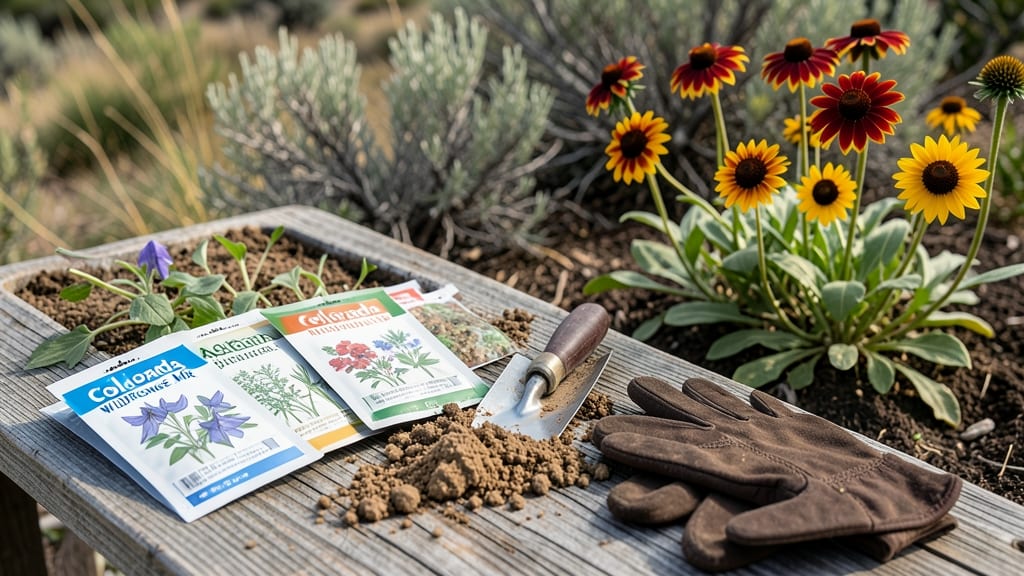
Planting flower seeds in Colorado at the right time means the difference between a garden bursting with color and one that struggles to take root.
Colorado’s unique climate—from high-altitude mountain regions to arid plains—means planting flower seeds at the wrong time can mean lost blooms or stunted growth. Get the timing right, and your garden will burst with color from spring to fall.
Most annuals thrive when sown after the last frost, typically between mid-April and early June, depending on your USDA Zone. Perennials and bulbs, however, often prefer a fall planting window to establish strong roots before winter.
In this guide, I’ll break down the best planting times by region, share tips for adjusting to Colorado’s microclimates, and highlight the easiest flowers for beginners to grow with confidence.
Colorado’s USDA Zones and best flower seed planting months by region
Colorado spans USDA Zones 4 through 7, creating dramatic differences in planting windows. The Front Range (Denver, Boulder) typically falls in Zones 5-6, while mountain towns (Aspen, Leadville) are Zone 4.
Meanwhile, the Western Slope (Grand Junction, Durango) enjoys Zone 6-7 warmth. These variations mean your snapdragons might thrive in May in Zone 7 but need to wait until June in Zone 4.
Understanding your last frost dates is critical. In Zone 4 (high altitude), the average last frost is May 15-30, while Zone 7 (Western Slope) sees frost-free conditions by March 15-April 1.
For annual flowers, timing is everything—plant too early, and seedlings may rot; too late, and you miss summer blooms.
Cold-hardy flowers like cosmos, snapdragons, and sweet peas can handle Colorado’s cool springs and even tolerate light frosts. These varieties are perfect for Zone 4-5 gardeners who want early color. Meanwhile, heat-loving annuals such as zinnias, marigolds, and sunflowers thrive in Zone 6-7’s longer growing seasons and should wait until after the last frost.
Perennials like coneflowers and black-eyed Susans can be sown directly in early spring (March-April) in Zones 6-7, but Zone 4 gardeners should start them indoors in February for transplanting after frost. The key is matching seedling resilience with your local climate’s soil warming trends.
Here’s how to navigate Colorado’s planting zones with confidence:
| USDA Zone | Region Examples | Last Frost Date | Best Months for Annual Seeds | Cold-Hardy Flowers | Heat-Loving Flowers |
|---|---|---|---|---|---|
| Zone 4 | Aspen, Leadville, Steamboat | May 15-30 | June-July (after frost) | Snapdragons, Cosmos, Sweet Peas | Marigolds (late), Zinnias (short season) |
| Zone 5 | Denver, Fort Collins, Colorado Springs | April 20-May 10 | May-June | Larkspur, Pansies, Calendula | Zinnias, Sunflowers, Petunias |
| Zone 6 | Greeley, Pueblo, Western Slope foothills | April 1-May 1 | April-May | Sweet Alyssum, Stock, Violas | Marigolds, Nasturtiums, Celosia |
| Zone 7 | Grand Junction, Durango, Alamosa | March 15-April 1 | March-April | Pansies, Sweet Peas (early) | All annuals thrive here! |
For Zone 4 gardeners, I recommend starting cold frames or row covers in late April to extend the season. These tools can push your first planting window by 2-3 weeks, letting you grow marigolds and zinnias successfully.
In Zone 7, you can even plant fall-blooming seeds like cosmos in August for late-season color.
Soil temperature matters just as much as air temperature. Use a soil thermometer to confirm when to plant. Most flower seeds need soil at 50-60°F to germinate.
In Zone 5-6, this often aligns with late April to early May, while Zone 4 may need to wait until mid-May.
Don’t overlook fall planting for hardy annuals. In Zone 6-7, you can sow cosmos, bachelor’s buttons, and calendula in late summer (August-September) for blooms before the first frost. These flowers handle Colorado’s cool nights and often reblo
How to adjust planting times for high-altitude vs. Front Range gardens
Colorado's Front Range (like Denver) and high-altitude mountain towns (like Breckenridge) have drastically different planting windows. At 5,280 feet, Denver's Zone 5-6 allows earlier starts, while 8,000-foot elevations in mountain towns push you into Zone 4 with later frost dates.
I've learned the hard way—planting marigolds too early in Aspen (Zone 4) means frost-nipped seedlings!
Your last frost dates shift dramatically with elevation. In Denver, expect April 15-30, while mountain towns like Leadville often wait until May 15-30. This means cold-hardy annuals like snapdragons can start 4-6 weeks earlier in the Front Range than in mountain gardens.
Use these differences to your advantage with succession planting!
For high-altitude gardens, I recommend starting heat-loving flowers indoors in March to give them a head start. Use grow lights or a sunny windowsill to keep seedlings strong until late May when outdoor temps stabilize.
In Denver, you can direct-sow cosmos and sunflowers as early as mid-April under row covers for protection.
Soil warming is key for Front Range gardens. I cover beds with black plastic mulch 2-3 weeks before planting to raise soil temps by 10-15°F. This lets me plant geraniums and petunias 2 weeks earlier than without warming.
For mountain gardens, cold frames are your best friend—they can extend your season by 4-6 weeks both spring and fall.
Don't forget about fall planting! In Denver, you can sow hardy annuals like sweet alyssum until early September for fall blooms. But in mountain towns, wait until mid-September to avoid early October frosts. I've had calendulas bloom straight through November in Denver with proper timing!
Pro tip: Use microclimate maps of your area to find the warmest spots. South-facing slopes warm up 2-3°F faster than north-facing areas—perfect for early bloomers like pansies or stock. With these adjustments, you'll maximize your Colorado flower season from April to October! 🌷