
Flowers
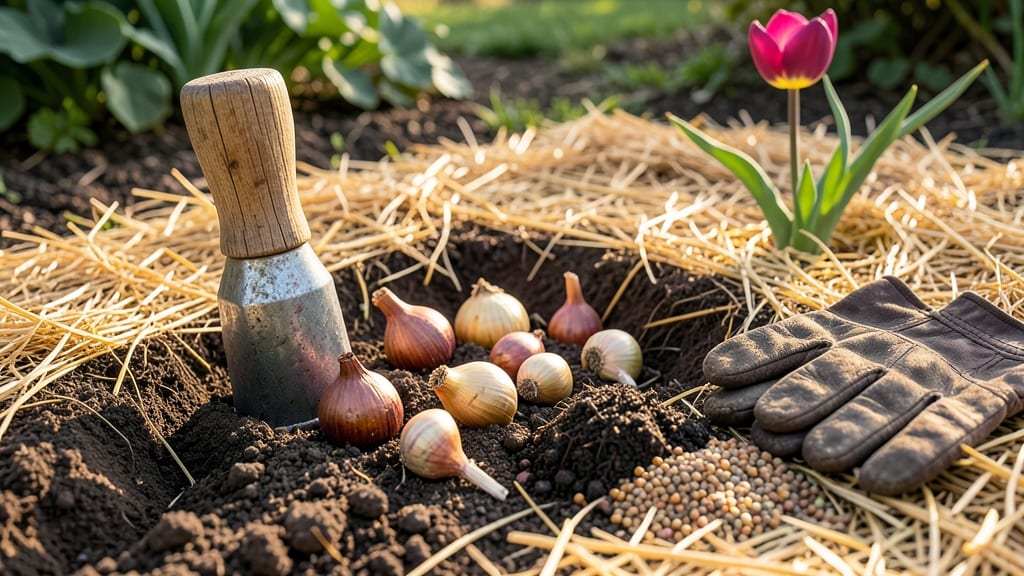
Planting flower bulbs 🌷 in autumn ensures vibrant spring blooms, but the timing must match your USDA zone—too early or late, and you risk weak growth or no flowers at all.
Autumn’s crisp air and golden leaves signal the perfect time to plant flower bulbs—but timing varies dramatically across the U.S., and planting too early or late can mean fewer blooms next spring.
In Zone 6 (like much of the Midwest), aim for 6-8 weeks before your first frost, typically late September to early October. Warmer zones like 8-10 can wait until November, while colder zones (3-5) need to plant by early October.
Below, I’ll break down the exact window for your zone, how to prep soil for success, and the 3 signs your bulbs are planted just right for a showstopping spring display.
USDA zone-by-zone autumn planting timeline for flower bulbs
Autumn’s cooler temperatures create the ideal conditions for planting flower bulbs, but the exact timing depends on your USDA hardiness zone. Planting too early or late can stunt root growth or expose bulbs to frost heave.
In Zone 3-5, aim for mid-September to early October, while gardeners in Zones 7-10 have until late November or even December. Regional exceptions apply—like the Pacific Northwest’s wetter climate or the Southeast’s earlier frost dates—so adjust based on your local frost forecast.
Most bulbs, including tulips, daffodils, and hyacinths, need 6-8 weeks of cool soil before the ground freezes. This window ensures roots establish before winter dormancy. Snowdrops and crocuses, however, are more flexible and can handle late planting in Zones 6-9.
Always check your last frost date and work backward to determine the perfect planting window.
Here’s a zone-by-zone breakdown of ideal planting times, including regional adjustments for coastal areas, high elevations, and urban heat islands:
| USDA Zone | Ideal Planting Window | Regional Notes | Example Bulbs |
|---|---|---|---|
| 3-4 | Mid-September to early October | Early frost; prioritize crocuses and snowdrops for late planting | Tulips, Daffodils, Hyacinths |
| 5-6 | Late September to mid-October | Pacific Northwest: Extend to November due to milder winters | Alliums, Fritillaries, Muscari |
| 7-8 | October to early November | Southeast: Plant daffodils in November to avoid squirrel damage | Daffodils, Grape Hyacinths, Iris |
| 9-10 | November to December (early) | Southern California: Plant tulips in December for spring blooms | Tulips, Crocuses, Snowdrops |
| High Elevation (e.g., Rockies) | August to early September | Cooler temps year-round; plant earlier to avoid early frost | Alpine bulbs, Crocuses |
| Urban Heat Islands | Late October to November | Warmer microclimates delay frost; adjust planting 2-3 weeks later | Daffodils, Hyacinths |
In Zones 3-5, where winters are harsh, focus on planting tulips and daffodils by early October. These bulbs need time to develop strong root systems before the ground freezes. If you miss the window, opt for crocuses or snowdrops, which tolerate late planting.
In Zones 7-10, you can push planting into November or even December, but avoid soggy soil—well-draining soil is critical to prevent rot.
For coastal regions, like the Pacific Northwest, milder winters allow planting into late autumn. However, avoid planting after the first frost, as wet soil can suffocate bulbs. In the Southeast, where frost arrives earlier, prioritize daffodils—they’re less appealing to squirrels and deer, which love tulip bulbs.
If you’re in an urban heat island, delay planting by 2-3 weeks to account for warmer microclimates.
High-elevation areas, like the Rocky Mountains, have shorter growing seasons. Plant bulbs in August or early September to ensure roots establish before early frosts. Choose cold-hardy varieties, such as alpine crocuses or snowdrops, which thrive in these conditions.
Always amend soil with compost to improve drainage, especially in heavy clay soils common at higher elevations.
Pro tip: Use a soil thermometer to check if soil temps are below 50°F (10°C). If they are, it’s time to plant. For container gardening, plant bulbs in pots by the same zone-based timeline, but ensure containers have drainage holes.
Place pots in a shady spot during winter to protect bulbs from extreme cold.
Once planted, mulch with 2-3 inches of straw to insulate bulbs and retain moisture. This is especially important in Zones 3-6, where winter temperatures can drop below freezing. Avoid using fresh mulch in spring, as it can smother emerging shoots.
Instead, remove old mulch and replace it with compost to feed the soil as bulbs wake from dormancy.
Timing isn’t just about the calendar—it’s about soil conditions, local climate
Signs your autumn bulb planting is perfect (or too late)
Timing is everything when planting autumn flower bulbs. The right conditions—like cool soil temperatures and consistent moisture—ensure strong roots before winter. But how do you know if you're planting at the perfect moment? Look for these key environmental cues to avoid missed blooms next spring.
First, check your local frost dates. Most bulbs need 6-8 weeks in the ground before the first hard frost. If your area typically freezes around November 15th, aim to plant by early October. However, late-season planters in USDA Zone 8 or warmer might extend planting into November.
Soil temperature is your best indicator. Use a soil thermometer to confirm temps are below 60°F (15°C) but not frozen. Cool roots establish faster in 50-55°F (10-13°C) soil. If your soil is still warm, wait a week or two—rushing can stress bulbs and reduce next year's blooms.
⚠️ WARNING: Common Mistakes That Ruin Your Bulbs ⚠️
Planting Too Early
Bulbs planted in hot, dry soil (above 65°F/18°C) can sprout prematurely, leading to weak stems that won't survive winter. Early shoots also deplete bulb energy, reducing spring blooms.
Planting Too Late
If bulbs don’t establish roots before freezing, they’ll rot or heave out of the ground. Late plantings in Zone 5 or colder should happen by mid-October—no exceptions!
Ignoring Soil Moisture
Dry soil after planting causes root desiccation, while soggy conditions invite rot or fungal diseases. Aim for consistently moist (not waterlogged) soil for 4-6 weeks post-planting.
Rainfall patterns also play a role. In drought-prone areas, water bulbs deeply after planting and mulch with 2-3 inches of straw or shredded leaves to retain moisture. Conversely, in wet climates, avoid planting in low spots where water pools—bulbs need drainage to prevent rot.
For container gardening, timing shifts slightly. Potted bulbs can handle slightly later planting (up to 2 weeks after in-ground bulbs) since containers warm up faster. However, ensure pots have drainage holes and use a lightweight potting mix to prevent waterlogging during winter.
If you’re unsure about your local conditions, use the "back of the hand rule": Press your hand into the soil. If it feels cool but workable (like a chilled apple), it’s time to plant. If it’s still warm, wait—patience ensures stronger blooms.
Finally, adjust for microclimates. A north-facing bed stays cooler longer, while a south-facing slope warms up faster. Observe your garden’s unique patterns—your perfect planting window might be a week earlier or later than neighbors’.