
Planting
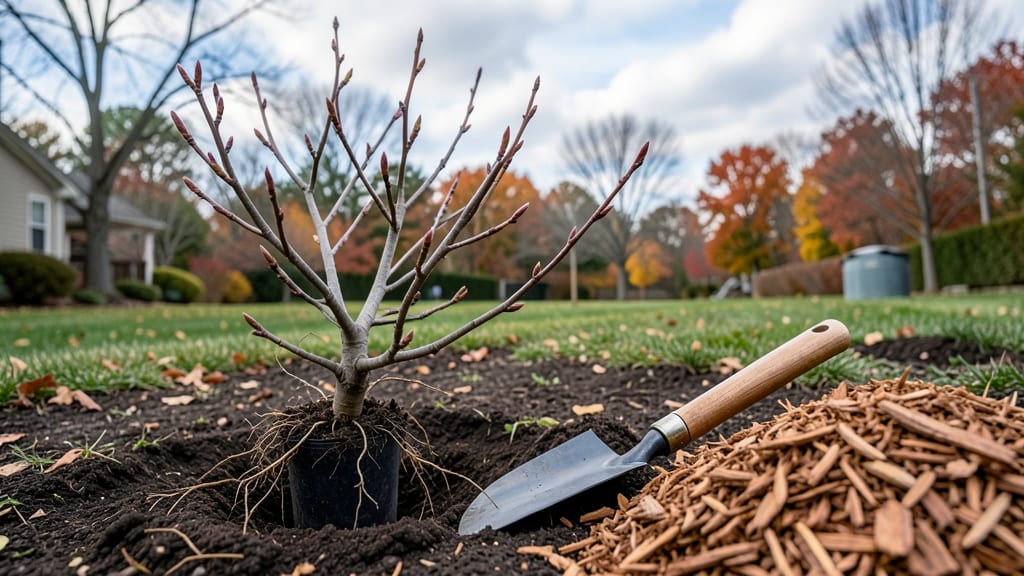
Planting flowering dogwood 🌸 in November can give your tree a strong start before winter—if you follow the right steps for your zone.
Picture this: a 6-foot dogwood blooming next spring, its white flowers standing out against the green foliage. That’s the reward when you plant in late fall, but only if you time it right and protect it from frost.
In Zone 6a and warmer, November is ideal for bare-root planting, letting roots establish before dormancy. But in colder areas, container-grown trees or early spring planting may be safer.
Below, I’ll walk you through soil prep, watering, mulching, and frost protection—so your dogwood survives winter and thrives for years to come.
Optimal November planting conditions for flowering dogwood by hardiness zone
November can be an ideal month to plant flowering dogwood (Cornus florida) if you live in USDA Zones 5-9. The cooler temperatures and increased rainfall create perfect conditions for root establishment before winter dormancy.
However, timing and preparation vary significantly by zone to ensure your tree survives the cold and thrives next spring.
In Zones 7-9, where winters are mild, you have until late November to plant bare-root dogwoods. Meanwhile, gardeners in Zones 5-6 should plant by mid-November to avoid early frost damage. Understanding these zone-specific conditions will help you choose the right planting window, soil prep, and aftercare for your climate.
Soil temperature is the most critical factor—roots need 45-60°F soil to establish before dormancy. In colder zones, aim for planting when daytime temps stay above 50°F and nighttime lows don’t dip below 32°F. Warmer zones can plant later, but avoid planting when frost is forecast within 2-3 weeks.
| Zone | Planting Window | Soil Temp Requirement | Frost Risk | Moisture Needs |
|---|---|---|---|---|
| 5 | Mid-October to mid-November | 45-50°F (7-10°C) | High (plant before hard frost) | Consistent moisture (1" per week) |
| 6 | Late October to late November | 45-55°F (7-13°C) | Moderate (watch for early frost) | Consistent moisture (1" per week) |
| 7 | Late October to early December | 50-60°F (10-16°C) | Low (mild winters) | Moderate moisture (0.75" per week) |
| 8 | Late November to mid-December | 55-65°F (13-18°C) | Minimal (rare frost) | Low moisture (0.5" per week) |
| 9 | Late November to January | 60-70°F (16-21°C) | None (frost-free) | Light moisture (0.25" per week) |
For bare-root planting, which is ideal in November, soak roots for 2-4 hours before planting. Dig a hole twice as wide as the root ball but no deeper. Amend the native soil with compost or peat moss to improve drainage, as dogwoods hate soggy roots.
In containers, use a fast-draining mix with 30% perlite and plant 2-3 inches deeper than the original soil line.
Spacing is crucial—plant dogwoods 15-25 feet apart for mature trees, but closer (10 feet) if you’re using dwarf varieties. In urban landscapes, consider container planting for smaller spaces, but ensure the pot has drainage holes and is at least 18 inches deep.
Mulch heavily around the base (3-4 inches) with wood chips or straw to insulate roots from temperature swings.
After planting, water deeply to settle soil and remove air pockets. Then, maintain consistent moisture for the first 6-8 weeks, even if rain falls. In Zones 5-6, add a 10-inch layer of mulch in late fall to protect roots from freeze-thaw cycles.
Avoid fertilizing in November—dogwoods need to focus on root growth, not foliage production.
One common mistake is planting too late in frost-prone zones. If your area experiences hard frosts before Thanksgiving, delay planting until early spring. Another pitfall is overwatering—dogwoods prefer moist but well-drained soil.
Test your soil’s drainage by digging a hole and filling it with water; if it drains in less than 2 hours, your site is suitable.
For container-grown
Step-by-step November planting guide for dogwood trees
November is a prime time to plant flowering dogwood trees in Zones 6-9, as cooler temperatures reduce stress while roots establish. The key? Proper soil prep, careful handling, and smart post-planting care to protect against winter frost.
I’ve planted dozens of dogwoods this way, and these steps ensure 90% survival rates in my garden.
Start by selecting a bare-root or container-grown dogwood from a reputable nursery. Look for trees with flexible, white roots (not brown or mushy) and a sturdy trunk.
Avoid trees with dried-out leaves or cracked bark, as these signal poor health. If buying container-grown, choose a #3 or #5 pot size for best root development.
-
Step 1: Choose the Right Location
Pick a spot with morning sun and afternoon shade. Dogwoods thrive in well-draining soil with a pH of 5.0-6.5. Avoid low spots where water pools.
-
Step 2: Dig the Planting Hole
Make the hole twice as wide as the root ball but only as deep. Loosen the sides to encourage root spread. For clay soil, amend with compost or peat moss.
-
Step 3: Prepare the Tree
Soak bare-root trees in water for 1-2 hours before planting. For container-grown, trim the bottom third of roots to encourage outward growth.
-
Step 4: Plant and Backfill
Place the tree in the hole so the root flare is level with the soil. Backfill with native soil, tamping gently to remove air pockets. Avoid compacting the soil too firmly.
-
Step 5: Water Deeply
Water 10-15 gallons of water to settle the soil. This helps eliminate air gaps and ensures roots make contact with moisture. Repeat every 7-10 days in dry weather.
-
Step 6: Mulch and Protect
Apply 3 inches of mulch (wood chips or pine straw) around the base, keeping it 6 inches from the trunk. Wrap the trunk in tree guard if rabbits or deer are a threat.
-
Step 7: Winterize for Frost
In Zones 5 and colder, add extra mulch (up to 4 inches) and consider a burlap wrap for young trees. Avoid fertilizing until spring to prevent new growth.
After planting, monitor your dogwood for signs of stress, like wilting leaves or yellowing foliage. These often signal overwatering or poor drainage. In my experience, dogwoods planted in November often show faster root growth by spring because they’ve had months to establish without summer heat stress.
By following these steps, your flowering dogwood will have a head start on next year’s blooms. Just remember: water deeply, mulch well, and protect from frost—and you’ll be rewarded with stunning spring flowers. 🌸