
How To
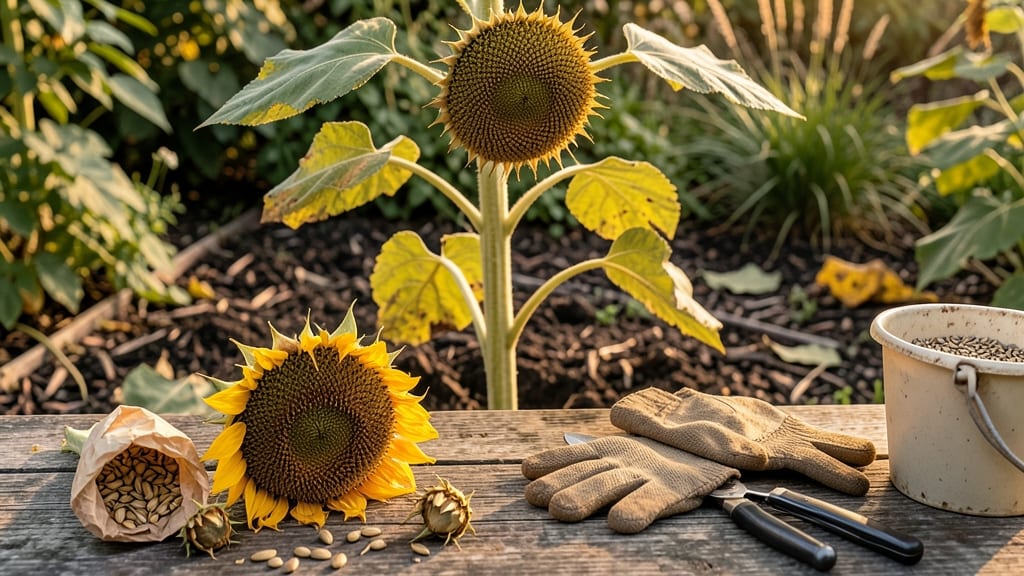
Harvesting sunflower heads for seeds happens when the back of the head turns brown and the petals wilt completely—this is the brown petal trick that ensures your seeds stay viable.
Picture this: you’ve nurtured your 🌻 sunflowers all season, only to wonder if you’ve waited too long or picked them too soon. The difference between perfect seeds and wasted effort comes down to timing—and a few telltale signs most gardeners miss.
In Zone 6, your window for harvesting sunflower seeds runs from late September through October, but frost can sneak in and ruin your crop if you’re not watching. Learn how to spot the right moment, avoid common mistakes, and dry your seeds properly for next year’s garden.
By the end, you’ll know exactly when to harvest, how to test seed maturity, and the best drying methods to keep your sunflower seeds ready for planting—no guesswork, just reliable results.
How to identify the perfect harvest time for sunflower seed heads
Harvesting sunflower seeds at the right time ensures high viability and prevents waste. The brown petal trick is your first clue—when the back of the flower head turns from green to tan or brown, seeds are nearly ready.
But don’t stop there; other visual and tactile cues confirm the perfect moment to harvest for long-term storage.
Sunflowers typically mature between 90-120 days after planting, depending on the variety. However, relying solely on days isn’t foolproof—environmental factors like temperature, humidity, and rainfall play a critical role.
For example, a dry, sunny September speeds up seed drying, while humid conditions can delay maturity. Paying attention to these signs ensures you don’t miss the window.
Here’s how to combine the brown petal trick with other key indicators to harvest sunflower seeds at peak readiness:
Step-by-Step Harvest Guide
- Step 1: Watch for petal wilting. When petals fall off naturally or droop completely, the seed head is maturing.
- Step 2: Check the back of the head. The brown petal trick means the center should turn tan or brown, not green.
- Step 3: Give it a gentle shake. Mature seeds will rattle loudly inside the head—this confirms dryness.
- Step 4: Test seed color and firmness. Open a seed head and check for dark, plump seeds (not shriveled or pale).
- Step 5: Avoid frost risk. Harvest 1-2 weeks before the first frost to prevent seed spoilage.
- Step 6: Cut stems 2-3 inches below the head and hang upside down in a dry, dark place for 2-3 weeks.
Timing is everything when harvesting sunflower seeds. If you pick too early, seeds won’t dry properly and may mold or sprout prematurely. Conversely, leaving them too long on the plant risks bird damage or seed loss from falling.
The brown petal trick paired with the rattle test gives you the best chance of success.
Environmental conditions also influence harvest timing. For instance, in hot, dry climates, sunflowers may mature faster, while cool, wet summers can delay seed development. Always monitor your plants closely—especially if you’re growing heirloom or giant varieties, which take longer to mature.
Once you’ve confirmed the seeds are ready, act quickly. Use a sharp pruner to cut stems cleanly, leaving a 2-3 inch stub to prevent moisture from seeping into the head. Hang the heads in a well-ventilated area like a garage or shed, where they can dry completely before processing.
Pro tip: Label your sunflower varieties if you’re growing multiple types. This helps track seed viability and germination rates later. Store dried seeds in paper bags or glass jars in a cool, dark place to maintain freshness for up to 2-3 years.
Don’t overlook the importance of post-harvest drying. Even if seeds look mature, they need 2-3 weeks of additional drying indoors to reach the 5-10% moisture level ideal for long-term storage. Skipping this step can lead to mold growth or reduced germination.
By mastering the brown petal trick and other visual cues, you’ll harvest sunflower seeds at their peak—ensuring a bountiful crop for next season’s garden. Happy harvesting! 🌾
Sunflower seed harvesting mistakes that ruin storage quality
Harvesting sunflower seeds at the wrong time can turn your hard work into a moldy mess instead of a viable seed stash. One of the biggest mistakes is harvesting too early—when petals are still clinging to the head or the seed head is still green.
These seeds won’t dry properly and will spoil quickly in storage.
On the flip side, leaving heads on the plant too long exposes them to moisture and pests, especially as frost approaches in Zone 6. By October, your sunflowers should be ready, but if you wait too long, the seeds may sprout prematurely or attract critters like squirrels and birds.
⚠️ Critical Harvest Window
Harvest when: The back of the head turns tan/brown, petals are fully wilted and fallen, and seeds rattle loudly when shaken. This usually happens 60-90 days after planting.
Avoid: Harvesting when heads are still green or petals are partially attached. Frost risk in Zone 6 means harvesting by mid-October is safest.
Another common error is improper drying. Many gardeners rush to store seeds straight from the head, leading to high humidity and fungal growth. Seeds need 1-2 weeks of drying in a well-ventilated, shady spot—like a garage or shed—before storage.
Skipping this step means your seeds may lose viability within months.
Even after drying, using the wrong storage method can ruin your seeds. Plastic containers trap moisture, while paper bags allow airflow but can let pests in. The best option?
Store seeds in glass jars with a silica gel packet to absorb excess moisture. Label each jar with the harvest year to track freshness.
Don’t forget to test seed viability before planting next spring. Place a few seeds in a damp paper towel for a week—if 70%+ sprout, your storage was successful. If fewer than half sprout, your seeds may have lost potency due to poor drying or storage conditions.
By avoiding these mistakes—harvesting at the right time, drying properly, and storing seeds correctly—you’ll ensure your sunflower seeds stay fresh and ready for next year’s garden. Happy harvesting! 🌾