
How To
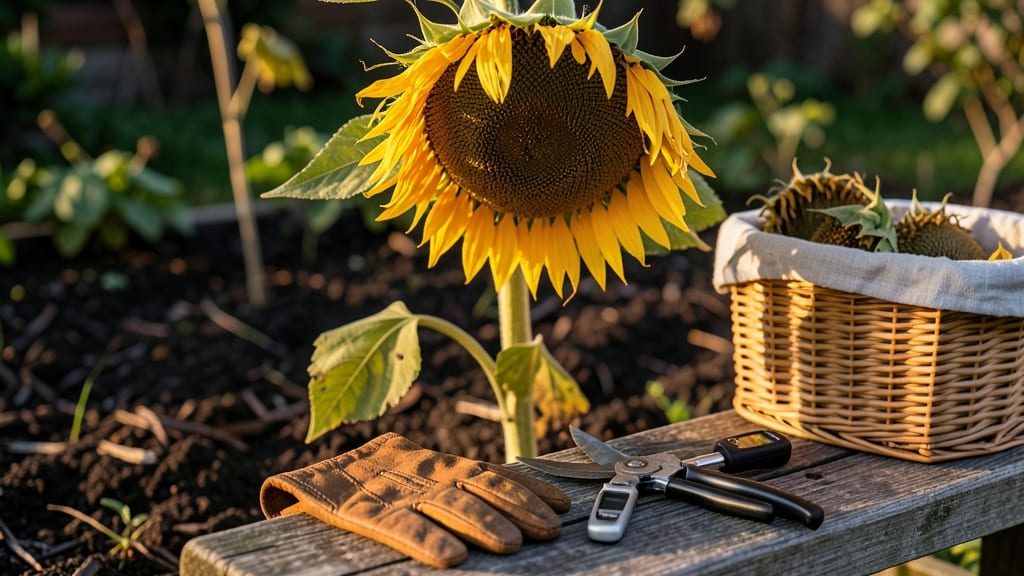
Harvesting sunflower heads at the right time unlocks their full potential—whether for seeds, cut flowers, or bird feeders.
Picture this: you’ve nurtured your 🌻 sunflowers all season, and now the moment of truth arrives. Miss the window, and you’re left with either immature seeds or scattered waste. But nail it, and you get plump, nutrient-rich seeds ready for planting or snacking.
Timing matters most in late summer to early fall, when the back of the petals turns yellow and the seed head feels firm. I’ll walk you through the 3 key signs to watch for—no guesswork, just perfect harvests every time.
From checking seed color to testing moisture, you’ll learn how to tell when your sunflowers are ready to pick. By the end, you’ll know exactly when to harvest for the best results.
3 Visual signs your sunflower heads are ready for harvest
Knowing exactly when to harvest sunflower heads transforms a good crop into a bountiful harvest. Miss the window, and you risk scattered seeds or poor-quality storage stock. The key lies in three visual cues that reveal peak maturity—each one a clear signal from your plants.
Let’s break down what to watch for in your sunflower garden this season.
First, pay attention to the flower head color. This is your primary indicator because sunflowers follow a predictable maturation process. The back of the petals will shift from green to a vibrant yellow, signaling that the seeds inside are nearing full development.
Ignoring this color change means you might harvest too early or too late—both mistakes that affect seed quality.
Next, focus on the seed development inside the head. Mature seeds should feel firm when pressed gently between your fingers, almost like small marbles. If they’re still soft or mushy, they need more time on the stalk.
This firmness test is non-negotiable for high-quality seeds that will store well or sprout reliably.
Finally, observe the leaf changes near the base of the plant. As the sunflower matures, the lower leaves will begin to yellow and dry out. This isn’t just aging—it’s a biological signal that the plant is redirecting its energy to seed production.
When you see this combined with the other two signs, you’ve hit the sweet spot for harvest.
🌻 3 Key Visual Cues for Harvest-Ready Sunflowers
- 1
- 2
- 3
Pro Tip: Harvest on a dry, sunny morning to prevent mold. Use clean pruners to cut 1–2 feet of stem for better storage.
For cut-flower purposes, you can harvest slightly earlier—when the petals are fully open but still vibrant. However, if you’re after seeds for planting or snacking, wait until the head is fully mature.
The difference in timing ensures you get either long-lasting bouquets or high-germination seeds, depending on your goal.
Regional variations matter too. In warmer climates (like USDA Zone 8+), sunflowers may mature faster—sometimes by 2–3 weeks—so check these signs earlier in the season. Conversely, in cooler regions, the harvest window might stretch into late October, so monitor your plants closely as the weather cools.
One common mistake is waiting until the entire head turns brown. By then, seeds may have scattered or lost viability. The yellow-back stage is your target—this is when seeds are fully developed but still contained in the head.
Cutting at this point gives you the best of both worlds: fresh seeds and minimal waste.
After harvesting, let the heads dry indoors for 1–2 weeks in a well-ventilated area. Remove seeds by rubbing the dried head or using a fork.
Store them in a cool, dark place for up to a year. Proper timing now means better storage later—no more shriveled or moldy seeds!
Remember, sunflowers are annuals with a single harvest window. Once you miss it, you’ll have to wait another season. But with these three visual cues, you’ll never guess again—just observe, act, and enjoy your sunflower bounty! 🌾
How to test sunflower seed maturity before harvesting
Testing sunflower seed maturity is the secret to harvesting seeds at their peak—whether you're saving them for next year's garden or enjoying them as a snack. I’ve learned the hard way that waiting too long means scattering seeds everywhere, while harvesting too early gives you shriveled, unusable seeds.
The key is using these three simple but effective tests: the squeeze test, tap test, and seed color check.
Start by focusing on the seed head, not just the petals. The petals might look dry, but the seeds inside could still be immature. That’s why these tests matter—they tell you exactly what’s happening inside the flower head.
I’ll show you how to perform each test correctly so you can confidently harvest at the perfect moment.
⚠️ callout warning
⚠️ Harvest Too Late = Lost Seeds!
Sunflower seeds ripen unevenly—some may be ready while others aren’t. If you wait until the entire head turns brown, you risk birds or wind scattering up to 50% of your seeds before you can harvest. Check maturity every 2-3 days in late summer to avoid this common mistake.
🌾 Pro Tip: Harvest when 70-80% of seeds are mature for the best balance of yield and quality.
The squeeze test is my go-to method because it’s quick and foolproof. Gently press the seed head between your thumb and forefinger. If it feels firm but yields slightly (like a ripe avocado), the seeds are ready.
If it’s too soft, wait 2-3 more days. Overripe heads will feel hard as rock, and the seeds inside may have already sprouted or dried out completely.
Next, try the tap test—this one’s fun and gives instant feedback. Hold the seed head over a bowl or your hand and give it a gentle tap with your knuckles. If you hear a dull thud and a few seeds drop out, they’re ready.
If it sounds hollow with no seeds falling, wait longer. This test works best when the seed head is fully developed but before the petals turn completely brown.
Finally, the seed color check is a visual cue that confirms what the other tests suggest. Break open a seed from the head (or peek inside by carefully removing a few seeds). Mature seeds should be plump, cream-colored, and fully formed.
Immature seeds are greenish, shriveled, or translucent, while overripe seeds may appear dark brown or shriveled. Save a few seeds for testing—this ensures you’re harvesting at the right time.
Remember, regional timing matters. In cooler climates (like USDA Zone 4), sunflowers may mature earlier, while warmer zones (like Zone 8) can extend the harvest window.
Pay attention to your local frost dates—harvesting before the first frost ensures you get the most seeds. With these tests, you’ll never miss the perfect harvest window again!