
Plants
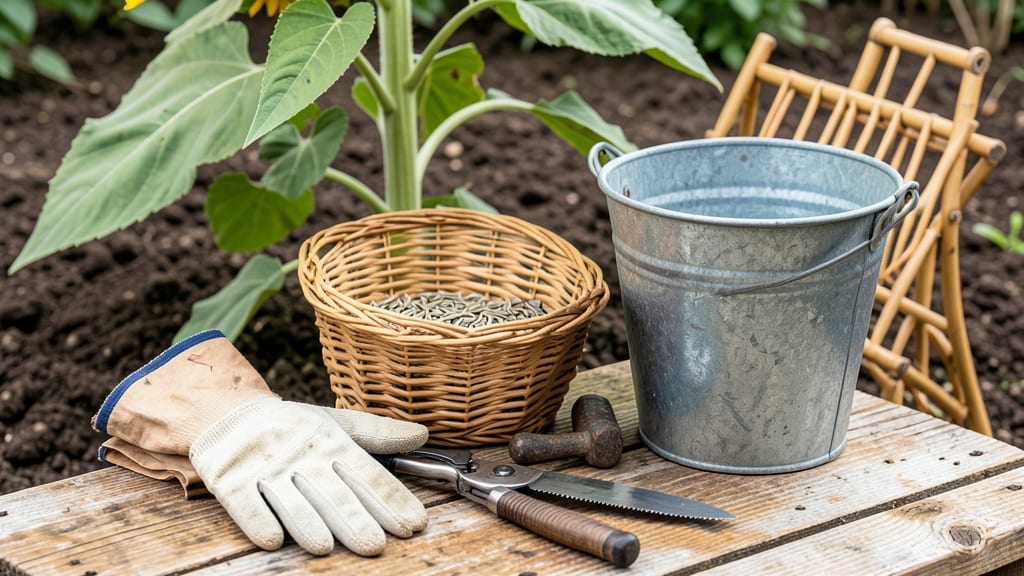
Harvesting sunflower plants at the right time turns those towering 🌻 blooms into a treasure trove of seeds—if you know when to cut and how to preserve them.
Picture this: you’ve nurtured your sunflowers all season, only to watch the seeds scatter before you can collect them. That’s the heartbreak of waiting too late—or worse, harvesting too soon. The difference between a bountiful harvest and wasted effort comes down to timing, technique, and a few simple tricks.
Sunflowers aren’t just pretty faces; their seeds are packed with nutrients, and knowing when to harvest ensures you get the most from your garden.
Whether you’re saving seeds for next year’s plants or roasting them for snacks, the key is catching them at peak maturity—when the petals droop, the back of the head turns brown, and the seeds rattle like tiny maracas.
In this guide, I’ll walk you through the exact signs to watch for, the best tools to use, and how to dry and store your seeds so they stay fresh for months.
By the end, you’ll never miss a harvest again—and your sunflowers will thank you with a full seed head every time.
Optimal sunflower harvesting time: when to cut for maximum seed yield
Harvesting sunflowers at the right moment transforms your garden into a seed-producing goldmine. The key lies in understanding maturity stages—when petals drop and seed moisture reaches ideal levels. Miss this window, and you risk losing seeds to birds or compromising their viability for planting or eating.
Most sunflower varieties take 70-120 days to reach harvest readiness, but environmental factors like temperature and rainfall can shift this timeline. Dwarf varieties may mature faster (around 50 days), while giant varieties can take up to 120 days. Always check your seed packet for variety-specific guidelines.
Here’s the critical moment to watch: when 80-90% of petals have fallen naturally and the back of the seed head turns yellow or brown. This signals the seeds are fully developed but haven’t yet dried enough to shatter.
Harvest too early, and seeds won’t be plump; too late, and they’ll scatter or sprout in the head.
| Maturity Stage | Visual Indicators | Seed Moisture | Harvest Readiness |
|---|---|---|---|
| Early Bloom | Petals fully open, vibrant yellow | High (80%+) | Not ready |
| Petal Drop | 80-90% petals fallen, back turns yellow | 50-60% | Optimal for seed yield |
| Late Stage | Petals fully brown, seed head turns gray | Low (10-20%) | Seeds may shatter |
| Overripe | Seed head splits, seeds scatter | Dry (0-5%) | Unusable for planting |
Environmental factors play a huge role in sunflower maturity. Cooler temperatures slow seed development, while hot, dry weather can accelerate it. If your area experiences unseasonably hot late-summer days, monitor your sunflowers closely—they may mature faster than expected. Conversely, cloudy or rainy conditions can delay petal drop by 1-2 weeks.
To test seed readiness, gently squeeze the back of the flower head. If it feels dense and heavy (like a tennis ball), the seeds are ready. If it’s light and hollow, wait another 3-5 days. Shake the head—if seeds rattle loudly, they’re fully developed.
This simple test saves you from harvesting too early or too late.
Timing also depends on your sunflower’s purpose. For culinary seeds, harvest when the back turns golden brown but before it turns gray. For decorative dried flowers, wait until the entire head is completely dry and brittle.
Always use clean, sharp pruners to cut stems 6-12 inches below the head—this prevents damage and makes drying easier.
One common mistake is harvesting sunflowers after the first frost. While frost won’t kill the plant, it can crack seed heads and reduce seed quality. If frost threatens before your sunflowers mature, consider covering them with frost cloth or harvesting the heads early and drying them indoors under a fan.
Pro tip: Harvest on a dry, sunny morning when dew has evaporated. This minimizes mold risk during drying. Lay harvested heads on a well-ventilated surface (like a mesh screen or cardboard) in a dry, shaded area for 1-2 weeks. Turn them occasionally to ensure even drying.
Remember, every sunflower variety has unique traits. Dwarf varieties like ‘Teddy Bear’ mature faster, while giant varieties like ‘Russian Giant’ take longer. Always tailor your harvesting approach to the specific type you’re growing for the best results. 🌻
Step-by-step sunflower harvesting method: cutting, drying, and seed extraction
Once your sunflower heads reach maturity, the real work begins—harvesting them properly ensures maximum seed yield and preserves viability. The process involves precise timing, the right tools, and careful handling to avoid damage.
I’ve learned through trial and error that rushing or skipping steps can drastically reduce your harvest, so let’s break it down into clear, actionable stages.
Harvesting sunflowers at the wrong time can lead to moldy seeds or poor germination rates. The key is to wait until the back of the head turns yellow or brown and the petals have fully dropped.
This usually happens 8-12 weeks after flowering, depending on your climate and variety. Once you’ve confirmed maturity, you’re ready to harvest using the method I’ll share below.
Sunflower Harvesting Steps
Gather Your Tools
You’ll need a sharp pruning shears or clean hands, a bucket or basket, and a drying location with good airflow. Avoid using dull tools, as they can crush the seed heads and reduce yield.
Cut the Stem
Use your pruning shears to cut the stem 6-12 inches below the flower head. This length helps with drying and prevents the head from touching the ground, which can cause mold or rot. Hold the stem firmly to avoid bending it during the cut.
Hang to Dry
Invert the sunflower heads and hang them in a dry, well-ventilated area like a garage, barn, or even indoors near a fan. This position allows seeds to dry evenly and fall out naturally. Avoid direct sunlight, which can overheat and damage the seeds.
Dry for 2-4 Weeks
Drying time depends on humidity, but aim for 2-4 weeks until the seeds rattle when shaken. Check periodically to avoid over-drying, which can reduce germination rates. If mold appears, remove the head immediately and try again in a drier location.
Extract the Seeds
Once fully dry, place the head in a paper bag and shake it vigorously or use a clean cloth to rub the seeds out. Remove any debris, chaff, or discolored seeds, which may not be viable. Store seeds in a cool, dark place for long-term preservation.
One common mistake I see is harvesting sunflowers too early, when the seeds are still green and underdeveloped. This leads to low germination rates and poor-quality seeds.
Always double-check the back of the head for a yellow or brown color—this is your best indicator of readiness. Patience here pays off in a bountiful harvest.
After extraction, you can use your seeds for planting next season or roasting for snacks. For planting, store them in an airtight container with a silica gel packet to absorb moisture. Label the container with the harvest date to track viability, as seeds lose potency over time.
Pro tip: If you’re harvesting for decorative purposes, leave some flower heads on the stems until they’re completely dry. This preserves their structure for longer-lasting arrangements. For seeds, though, timing is everything—don’t wait too long, or the seeds will scatter naturally.