
Planting
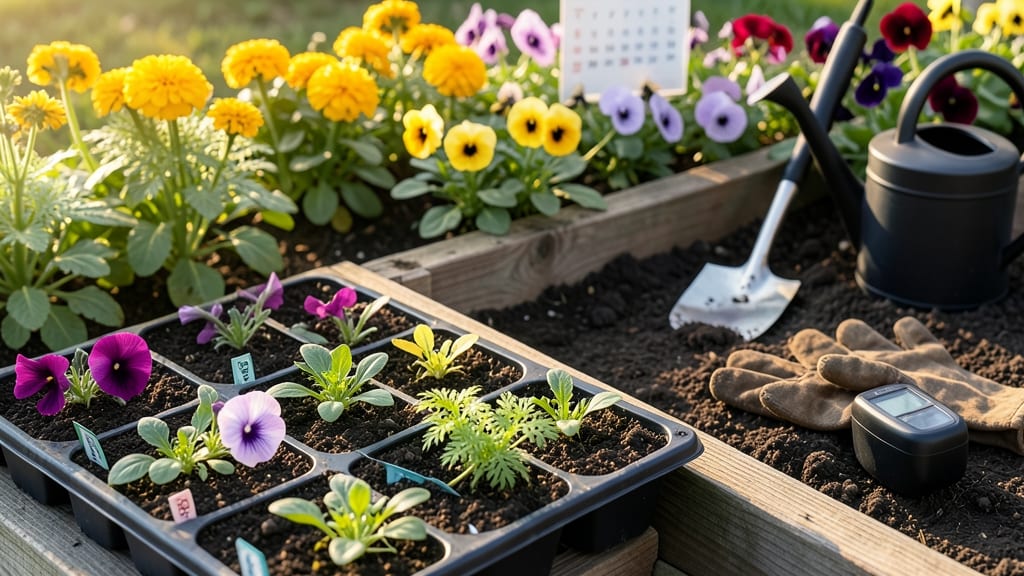
Planting flowers outside at the right time ensures vibrant blooms and strong roots—so timing matters more than you might think.
Timing your flower planting perfectly can mean the difference between vibrant blooms and a season of disappointment—so why guess when you can strategize? Whether you're in Zone 6a or a warmer climate, the wrong window risks frost damage or stunted growth before summer heat arrives.
This guide breaks down the ideal planting windows by region, flower varieties, and seasonal cues—so you can maximize blooms and minimize guesswork.
Annuals like marigolds thrive when planted after the last frost, while perennials often prefer early spring or fall. Bulbs, on the other hand, need a 6-8 week head start before winter sets in.
For Zone 6a, that means late April for most flowers, but regional variations (like coastal vs. inland) shift those dates by weeks.
Below, I’ll walk you through the best planting times for your area, how to adjust for frost-sensitive plants, and the simple soil prep tricks that make all the difference. No more wasted seeds or wilted dreams—just peak blooms all season long.
Best flower planting times by US climate Zone: a month-by-month guide
Planting flowers at the right time ensures strong root growth and vibrant blooms—but timing depends on your USDA hardiness zone, local frost dates, and flower type.
In Zone 3, for example, tender annuals like marigolds must wait until after May 1 to avoid frost, while Zone 10 gardeners plant winter bloomers like pansies in November.
Let’s break down the ideal planting windows by zone, including soil temperature cues and seasonal adjustments for annuals vs. perennials.
Soil temperature is just as critical as air temperature. Most flowers thrive when soil reaches 60°F+, which typically happens 2-4 weeks after your last frost date. Use a soil thermometer to confirm—cool soil delays growth, while overheated soil can stress seedlings.
For bulbs like tulips, the rule flips: plant them 6-8 weeks before your first frost for spring blooms.
Here’s your month-by-month planting guide, organized by USDA zone. Bookmark this for quick reference when prepping your garden beds!
In Zone 3, where winters are harsh, focus on hardy annuals like black-eyed Susans and coreopsis, which tolerate cooler soils. Start seeds indoors 6-8 weeks before your last frost date to give them a head start.
For Zone 10, take advantage of mild winters by planting cool-season flowers like pansies in late fall for winter color.
Perennials like daylilies and lavender can be transplanted in early spring or fall, but avoid extreme heat or cold. In Zone 5-6, divide perennials in September to encourage bushier growth next year. For bulbs, plant tulips and daffodils in October—they need chill hours to bloom.
Adjust for microclimates—south-facing beds warm faster than north-facing ones. If your garden is sheltered (e.g., near a brick wall), you can plant 2 weeks earlier than the zone average. Use a frost clock app to track local frost dates, as they can vary 1-2 weeks from USDA zone predictions.
Pro tip: Mulch after planting to regulate soil temperature and retain moisture. In hot zones (Zone 9-10), use straw mulch to prevent soil from overheating. For cooler zones (Zone 3-5), opt for straw or leaves to insulate roots.
Remember, annuals like marigolds and zinnias thrive with direct sowing after frost, while perennials benefit from early spring or fall transplanting. Bulbs are the exception—plant them in fall for spring blooms or early spring for summer flowers.
Now that you’ve got your timing down, your garden is one step closer to a bloom-filled season! For next steps, check out how to adjust timing for specific flower types in our next section. 🌸
How to adjust planting timing for flower types: annuals vs. perennials vs. bulbs
Not all flowers thrive on the same planting schedule—annuals, perennials, and bulbs each have unique timing needs to ensure vibrant blooms. Annuals like marigolds and zinnias grow quickly but need warm soil, while perennials like coneflowers establish roots over years and prefer cooler transplanting windows. Bulbs like tulips and daffodils, meanwhile, follow their own seasonal rhythm, often planted in fall for spring blooms.
Understanding these differences lets you strategize for a garden that blooms all season long.
For annual flowers, timing depends on whether you're sowing seeds directly or transplanting seedlings. Direct-sown seeds like cosmos and sunflowers should wait until soil temperatures reach 60°F+ after the last frost, while seedlings like petunias and impatiens can go in 2-4 weeks before the last frost date. Perennials, on the other hand, benefit from being transplanted in early spring or fall when soil is workable but not frozen or scorching hot.
Here’s how to time your planting for each flower type:
- 🌿 Annuals: Sow seeds after last frost when soil is 60°F+ (e.g., marigolds, zinnias). Transplant seedlings 2-4 weeks before last frost (e.g., petunias, geraniums).
- 🌹 Perennials: Transplant in early spring (March-April) or fall (September-October) when soil is cool but not frozen. Avoid summer heat stress.
- 🌷 Bulbs: Plant spring-blooming bulbs (tulips, daffodils) 6-8 weeks before first frost (fall). Plant summer-blooming bulbs (dahlias, cannas) in spring after last frost.
For annual flowers, starting seeds indoors can extend your growing season. Cool-season annuals like pansies and snapdragons can even handle early spring or fall planting in milder climates. Warm-season annuals, however, like tomatoes and peppers, need to wait until soil warms up—often after Memorial Day in many regions.
Use row covers or cold frames to protect tender seedlings if needed.
Perennials are the backbone of a low-maintenance garden, but their transplanting window is critical. Early spring planting (March-April) gives roots time to establish before summer heat, while fall planting (September-October) allows roots to grow without competing with summer blooms. Dividing perennials in early spring or fall also rejuvenates clumps and encourages more abundant flowers the following year.
Bulbs are unique because they often require fall planting for spring blooms. Tulips and daffodils, for example, need 6-8 weeks of cool soil before winter to form strong roots. Summer-blooming bulbs like dahlias, however, should be planted in spring after the last frost—they’re tender and won’t survive winter in the ground.
Always plant bulbs 3x deeper than their height for best results.
Pro tip: Use your local frost dates as a guide—check the USDA Plant Hardiness Zone Map and adjust planting times by 2-4 weeks if your area has unpredictable weather.
For example, in Zone 5, aim for late May for annuals, while Zone 9 gardeners can plant year-round with minimal frost risk. 🌸