
Flowers
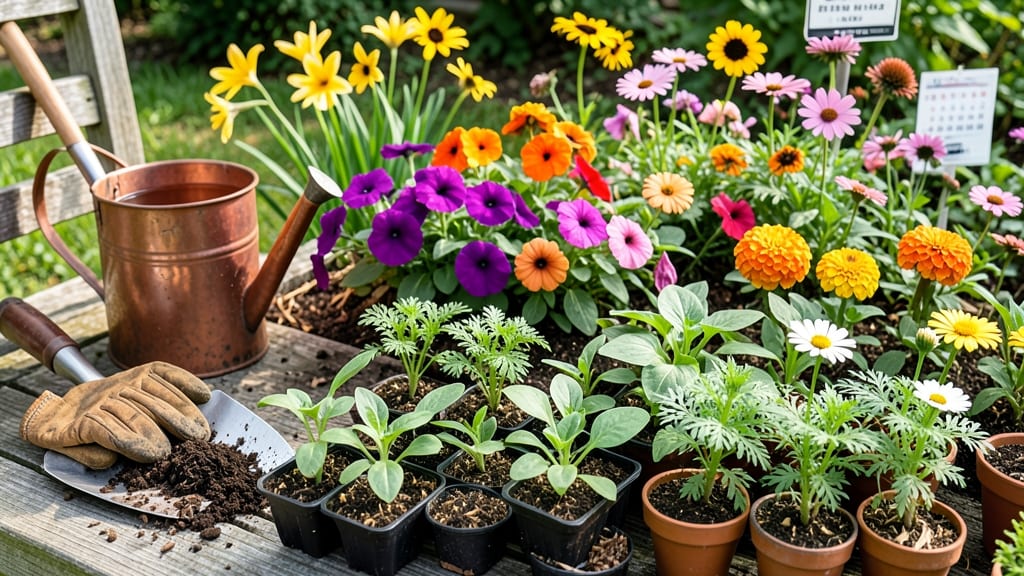
Planting flowers in North Carolina at the right time means the difference between a garden that thrives and one that struggles—especially with zones 6a to 8b bringing wildly different frost dates.
If you’ve ever watched your 🌸 azaleas bloom too late or your petunias wilt in summer heat, you know timing is everything. The key?
Aligning your planting schedule with your specific region—whether you’re in the Coastal Plain, Piedmont, or Mountains—so you avoid common pitfalls like transplant shock or missed bloom seasons.
North Carolina’s climate offers two main planting windows: spring (February–April) for cool-season flowers and fall (August–October) for warm-season varieties. But without knowing your last frost date or soil temperature, even the best flowers can fail to take root.
In this guide, I’ll break down the exact months to plant by zone, the best flowers for your region, and pro tips to extend blooms—so your garden stays vibrant from spring through fall.
North Carolina planting zones: when to start flowers by region
North Carolina spans USDA Hardiness Zones 6a to 8b, creating wildly different planting conditions from the humid coastal plains to the cooler mountain regions. Getting your timing right means the difference between lush, long-lasting blooms and wilting disappointment.
I’ve broken down the best planting windows for each zone, so you can start seeds, transplant seedlings, or pop bulbs into the ground at the perfect moment.
First, know that frost dates vary dramatically across the state. Coastal areas like Wilmington (Zone 8a) rarely see frost, while the mountains (Zone 6a) can have late spring frosts until May.
For most of NC, spring planting begins in February for warm-season flowers and August for fall blooms. But let’s get specific—because your neighbor’s schedule might not work for your garden!
🌱 Pro Tip: Always check your local last frost date (use the NC State Extension’s frost map) before planting tender annuals. Even a few degrees can fry young seedlings!
| Zone & Region | Spring Planting Window | Fall Planting Window | Last Frost Date | Ideal Soil Temp |
|---|---|---|---|---|
| 8a (Coastal: Wilmington, Morehead City) | Feb 15 - Mar 15 (warm-season flowers) | Aug 1 - Sep 15 | Jan 15 (rare frost) | 60-65°F |
| 7b (Piedmont: Raleigh, Charlotte) | Mar 1 - Apr 10 | Sep 1 - Oct 15 | Mar 15 - Apr 1 | 55-60°F |
| 7a (Mountains: Asheville, Boone) | Apr 15 - May 1 (warm-season) | Sep 15 - Oct 10 | Apr 15 - May 1 | 50-55°F |
| 6a (High Mountains: Spruce Pine) | May 1 - Jun 1 (warm-season) | Aug 15 - Sep 30 | May 15 - Jun 1 | 45-50°F |
For coastal NC (Zone 8a), you can start warm-season annuals like petunias and marigolds as early as mid-February. The soil warms quickly here, so don’t wait too long—late March is the cutoff for seed-starting.
In the Piedmont (Zone 7b), I recommend waiting until mid-March for seeds and early April for transplants to avoid unpredictable late frosts.
If you’re in the mountains (Zones 6a-7a), play it safe with cold-hardy flowers like pansies and snapdragons in early spring. These can handle cooler soil temps (45-50°F) and even light frosts.
For bulbs like tulips and daffodils, plant in fall (October-November)—they need 6-8 weeks of chill to bloom beautifully next spring.
Fall planting is just as critical. In Zone 8a, you’ve got until mid-September for cool-season crops like pansies and calendula, while Zone 6a gardeners should wrap up by late August.
The key is to give plants enough time to establish roots before winter. I’ve had the best luck with succession planting—staggering seeds every 2-3 weeks for continuous blooms.
One mistake I see often? Planting tender annuals too early in cooler zones. For example, geraniums and impatiens won’t survive a late spring frost in Zone 7a. Always check the seed packet’s “days to maturity” and count backward from your first frost date.
For perennials like daylilies and black-eyed Susans, early spring or fall planting works best—they establish deeper roots and handle transplant shock better.
Don’t forget about microclimates! A south-facing slope warms up faster than a shady north side. If you’re unsure, use row covers or cold frames to extend your planting season. And if you’re in Zone 8a, you can even grow
Best flowers to plant by season in north Carolina gardens
North Carolina’s four distinct seasons create perfect conditions for year-round blooms, but each season demands different flower varieties to thrive. Whether you're battling summer heat in the Piedmont or cool mountain breezes, selecting the right flowers ensures your garden stays vibrant.
Let’s dive into the best seasonal blooms tailored to NC’s unique climate.
For first-time gardeners, I recommend starting with low-maintenance perennials like black-eyed Susans or coneflowers. These hardy plants return year after year, offering long-lasting color with minimal effort. Meanwhile, annuals like petunias and marigolds provide instant pops of color but need replanting annually.
🌸 Seasonal Flower Planting Guide for NC Gardens
- 🌱 Spring (March-May): Plant tulips, daffodils, and azaleas after the last frost (typically mid-March in most zones). These cool-season bloomers thrive in NC’s mild spring temps and add early color.
- ☀️ Summer (June-August): Opt for heat-tolerant annuals like lantana, zinnia, and sunflowers. These sun-loving plants handle NC’s humid summers and attract pollinators like bees and butterflies.
- 🍂 Fall (September-November): Choose late-blooming perennials such as chrysanthemums, sedum, and goldenrod. These frost-resistant flowers extend your garden’s season and add autumnal warmth before winter.
- ❄️ Winter (December-February): Focus on evergreen shrubs like camellias and hellbores, or winter pansies for color in cold months. These frost-hardy plants keep your garden lively even when other flowers rest.
🌿 Pro Tip: Use mulch in fall to protect perennial roots from freezing temps!
If you’re new to gardening, start with easy-care annuals like marigolds or pansies. These beginner-friendly flowers bloom quickly and require minimal maintenance. For a low-effort perennial, try black-eyed Susans—they’re drought-tolerant and pollinator magnets!
For extended blooms, pair spring bulbs like tulips with summer perennials such as daylilies. This layered planting strategy ensures your garden stays colorful from March through October. In cooler mountain regions, consider late-blooming asters for fall interest.
Don’t forget to adjust planting times based on your specific NC zone. Coastal areas (like Zone 8b) can plant earlier in spring than mountain regions (like Zone 6a). Always check your local frost dates to avoid frost damage to tender new growth.
With the right seasonal selections, your NC garden can be a year-round spectacle. Start with one season’s must-haves, then expand as you gain confidence. Happy planting! 🌺