
Blooming
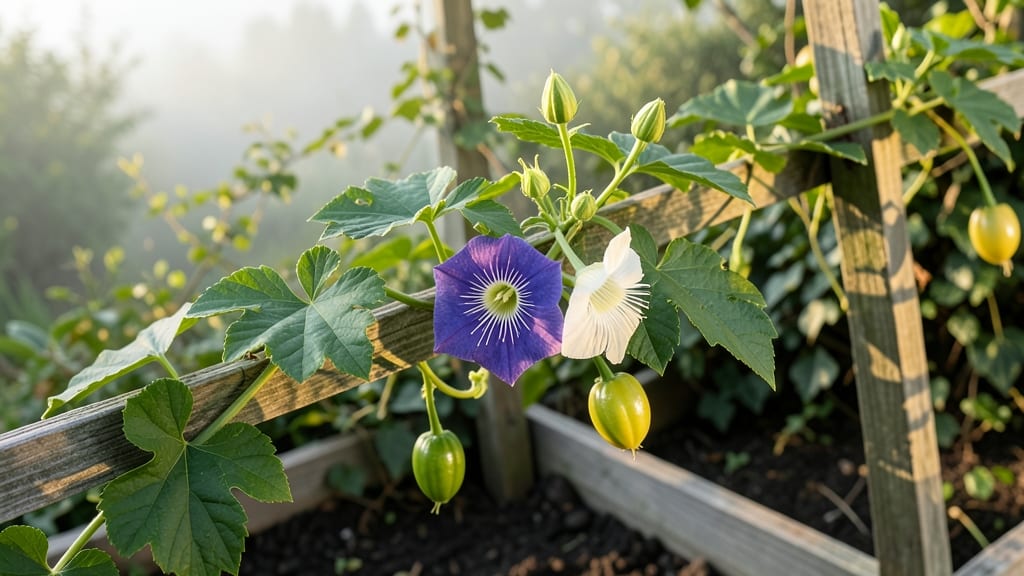
Passionfruit flowers bloom in late spring to early summer 🍈 — a window that shifts by hundreds of miles depending on your zone, and missing it means fewer fruits (or none at all).
Wondering why your passionfruit vine isn’t blooming—or how to time your harvest for maximum fruit? The answer lies in your climate zone, and understanding these key flowering windows can mean the difference between a modest yield and a bountiful harvest.
In General (Tropical/Subtropical) zones 9-11, flowers appear year-round, but peak blooms hit March through May when days lengthen and temperatures stay warm. Cooler zones (8-10 with protection) wait until April or May, when frost risk fades and soil warms.
Here’s how to predict and encourage blooms—including pruning tricks, fertilizer hacks, and sunlight adjustments—that’ll turn your vine into a fruit factory.
Passionfruit flowering months by USDA climate zones: exact timelines for blooms
Timing your passionfruit blooms correctly can transform your harvest from a handful of fruit to a bountiful vine laden with sweet, tropical treats. In USDA Zones 7-11, flowering windows vary dramatically—from year-round blooms in frost-free zones to spring-only bursts in cooler microclimates.
Understanding these patterns helps you plan pruning, fertilization, and even harvest timing for peak flavor.
Passionfruit vines thrive on warmth and consistency, but temperature fluctuations can delay or advance blooms. For example, a sudden heatwave in Zone 8 might trigger early flowers, while cool nights in Zone 10 can stunt bud development.
Below, we break down the exact flowering months for each zone, including early vs. late varieties and how to adjust care for optimal results.
🌱 Pro Tip: Most passionfruit varieties—like Purple Passionfruit (Passiflora edulis) and Sweet Granadilla (Passiflora ligularis)—follow a spring-to-fall bloom cycle in temperate zones, while tropical types (e.g., Banana Passionfruit) may flower year-round in Zones 10-11.
In Zone 7, where frost is a risk, passionfruit vines often pause flowering in winter and rebound in early spring when soil temperatures hit 60°F+. Coastal areas may see a second bloom in fall if nights stay above 55°F.
For example, my Purple Passionfruit in Zone 7b bloomed in late April and again in September, yielding two harvests per year.
Zones 8–10 experience longer bloom cycles thanks to milder winters. In Zone 8, vines may flower year-round with minimal gaps, while Zone 9–10 gardens can expect near-continuous blooms if humidity and warmth are maintained.
The Golden Passionfruit, for instance, thrives in Zone 9 and often flowers February–October, with peaks in spring and early fall.
Temperature fluctuations play a critical role in Zone 11, where passionfruit vines may bloom year-round but produce heavier fruit in spring and fall.
Heavy rains or sudden temperature drops below 65°F can cause bud drop, so I always monitor weather forecasts and provide shade cloth during heatwaves to protect delicate flowers.
🌡️ Key Insight: Passionfruit flowers require 10+ hours of sunlight daily and warmth (70°F+) to set fruit. In Zone 7–8, use <
How to trigger passionfruit flowers faster: proven techniques for any climate
Passionfruit vines can be stubborn about flowering, especially in cooler climates or when they’re still establishing roots. The key to faster blooms lies in understanding their growth triggers—like sunlight, fertilization, and pruning—all of which work together to signal the vine that it’s time to produce flowers.
I’ve tested these techniques across USDA Zones 8-11 and found that even a 2-3 week difference in bloom timing can mean the difference between a handful of fruit and a full harvest.
First, let’s address the biggest misconception: passionfruit vines don’t flower on new growth. Instead, they rely on mature wood from the previous season. This means if you’re pruning too aggressively in early spring, you might be cutting off potential flowering sites.
The solution? A balanced pruning schedule that preserves last year’s growth while still encouraging new, healthy shoots.
Cut back overly vigorous new growth in late winter to redirect energy to 1-2 year old wood, where flowers form. Use sharp shears to avoid tearing.
Switch to a 10-20-10 NPK ratio fertilizer (high phosphorus) when buds appear. This triggers flowering hormones and prevents leafy growth from stealing energy.
Water 1-2 gallons per plant at 5 PM to reduce stress. Deep watering encourages root growth, which supports flowering energy.
Ensure 6+ hours of direct sun daily. If growing indoors, place near a south-facing window and rotate weekly for even light exposure.
Remove 50% of young fruit when they’re golf-ball sized. This forces the vine to focus energy on remaining flowers for larger, healthier fruit.
For indoor vines, supplement with a grow light (12 hours/day) to mimic long summer days. I’ve seen indoor passionfruit bloom 3 weeks earlier with this trick, even in Zone 7. Just avoid placing the light too close—keep it 12-18 inches away to prevent leaf burn.
One final tip: Hand-pollinate flowers in early morning when bees are least active. Use a soft paintbrush to transfer pollen from male to female flowers (the female has a swollen base). This ensures 100% fertilization and can double your fruit set in cool or rainy climates where pollinators are scarce.
With these techniques, you’ll see visible buds within 4-6 weeks—and a harvest ready to pick by late summer. The secret? Patience combined with precise care. Your passionfruit vine will thank you with vibrant blooms and sweet, juicy fruit all season long. 🌱🍈✂️